Create Your Own Calm Space Without Extra Rooms
Convert a small home area into a restorative wellness retreat with expert guidance on planning, essential elements, budgeting, and maintenance for lasting mental balance.
Loading...

Convert a small home area into a restorative wellness retreat with expert guidance on planning, essential elements, budgeting, and maintenance for lasting mental balance.

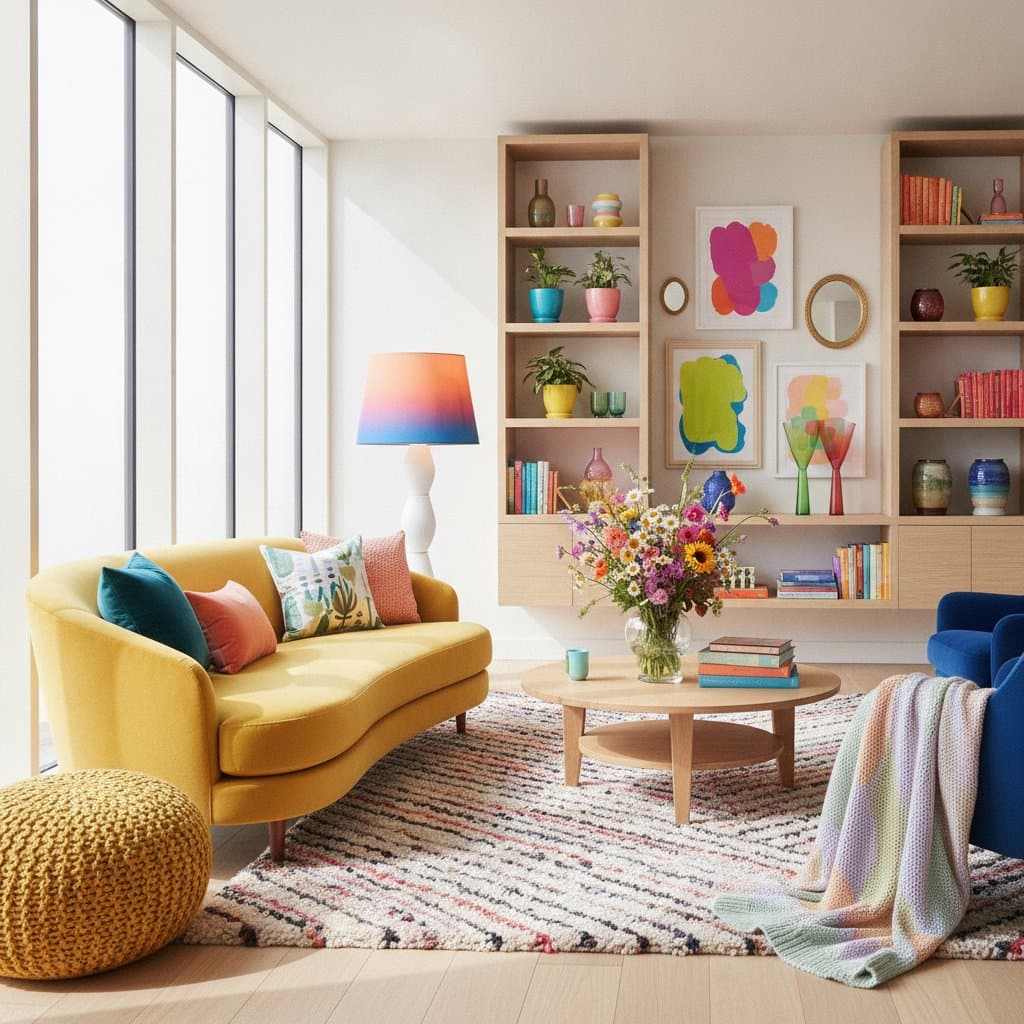
Colorful ceilings, known as the fifth wall, redefine interior spaces by enhancing mood, light, and architectural features. This approach fosters balance, depth, and personal expression. Discover practical strategies to select hues that harmonize with your home and create lasting impact.

The Japanese philosophy of Wabi-Sabi redefines modern architecture by embracing imperfection, natural materials, and simplicity over sterile perfection. This approach uses elements like cracked concrete, aged wood, and diffused lighting to foster warm, authentic spaces. Readers will discover practical strategies to incorporate these principles into their homes for a more grounded and personal living experience.

Ceilings no longer serve as an afterthought in design; they represent a bold new frontier. Adding color overhead infuses rooms with depth, emotion, and personality. From soft pastels to dramatic hues, painted or patterned ceilings redefine space, mood, and proportion. Explore why designers refer to them as the fifth wall and how to create one that stands out.

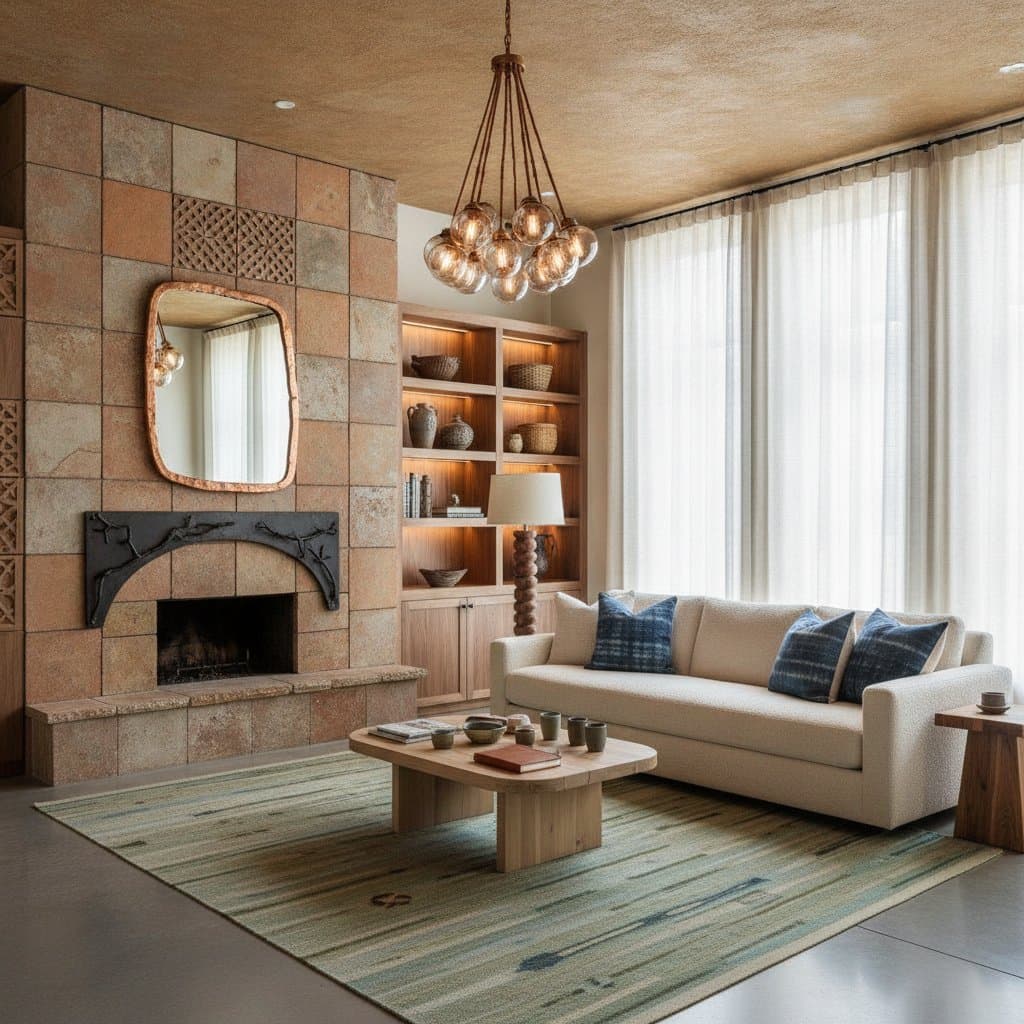
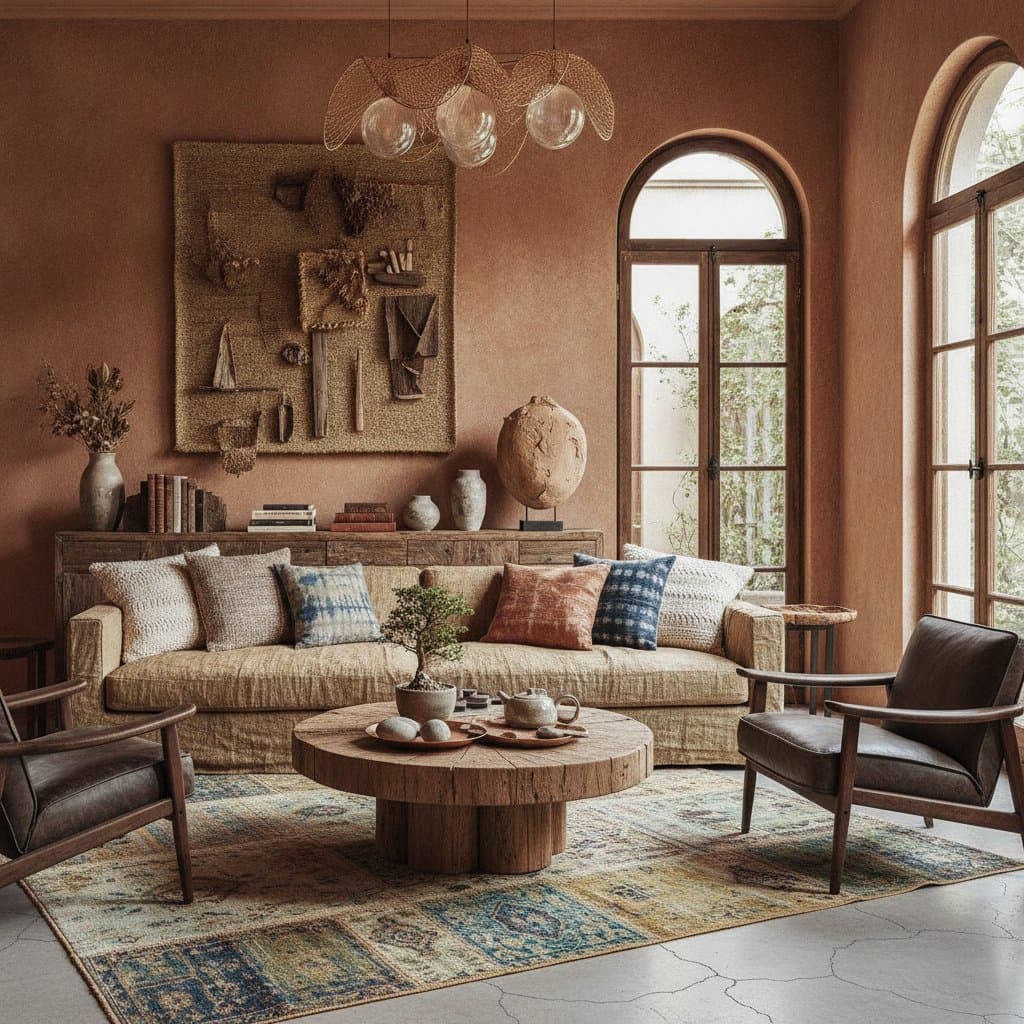
Terracotta clay revives earthy maximalism, blending warmth, texture, and authenticity in layered designs. From tiles and walls to accents and furniture, learn to integrate it for grounded, timeless homes that celebrate imperfection.
Read more
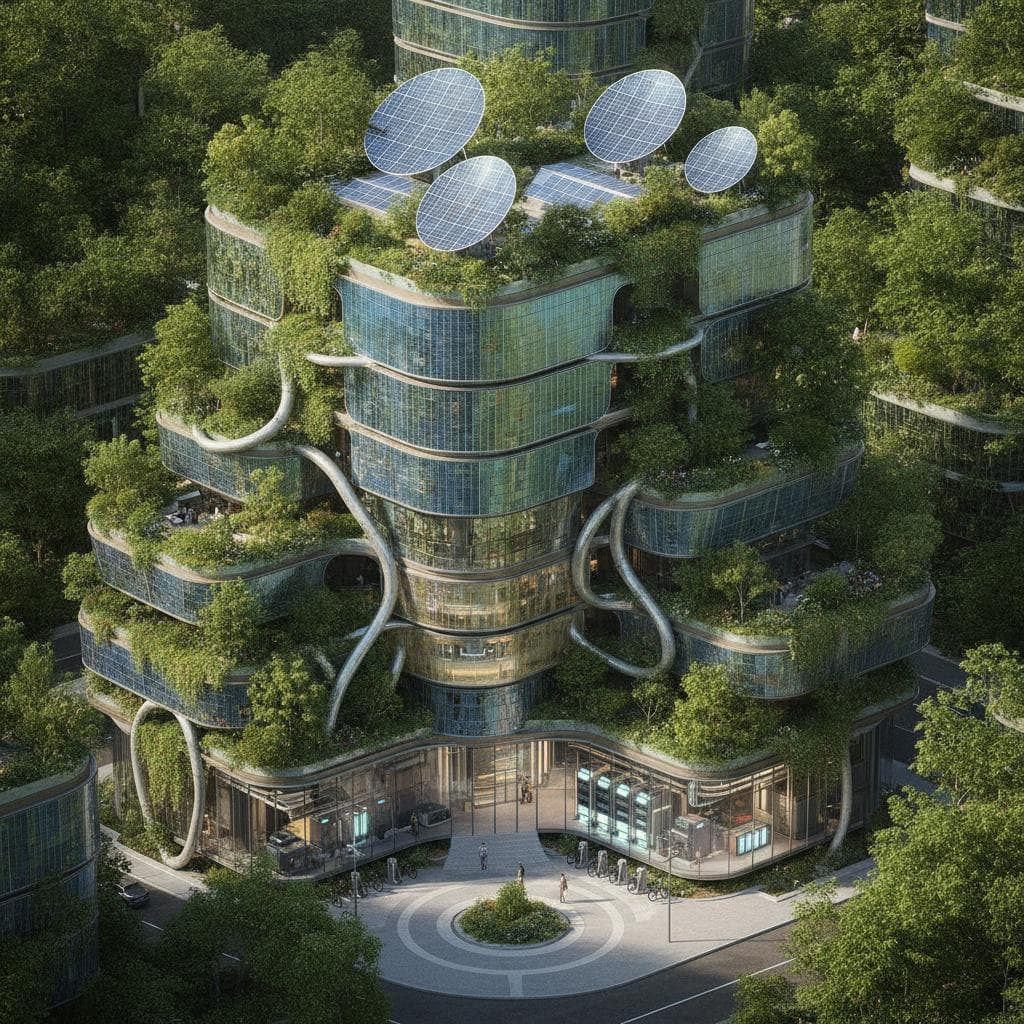
Solarpunk reimagines green architecture through a harmonious integration of technology, nature, and community. It transcends mere sustainability by emphasizing beauty, optimism, and regeneration. Features like solar-integrated structures, living walls, and circular systems turn urban spaces into vibrant ecosystems that support both human well-being and planetary health.
Read more
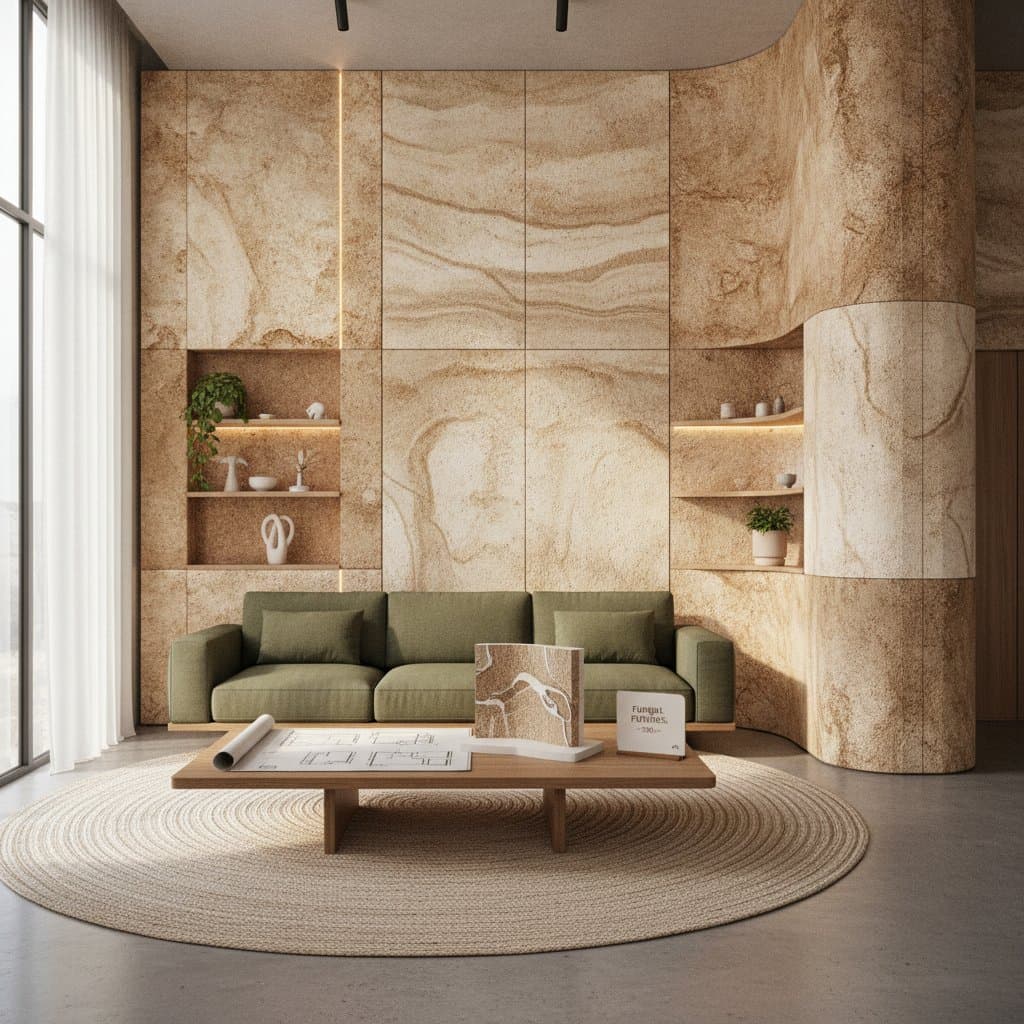
Mycelium, the intricate root network of fungi, emerges as a game-changer in interior design. This biodegradable material, cultivated from agricultural byproducts, delivers lightweight, versatile options for lamps, panels, and furniture. It merges aesthetic appeal with environmental stewardship, enabling designers to create modern spaces that support planetary health.

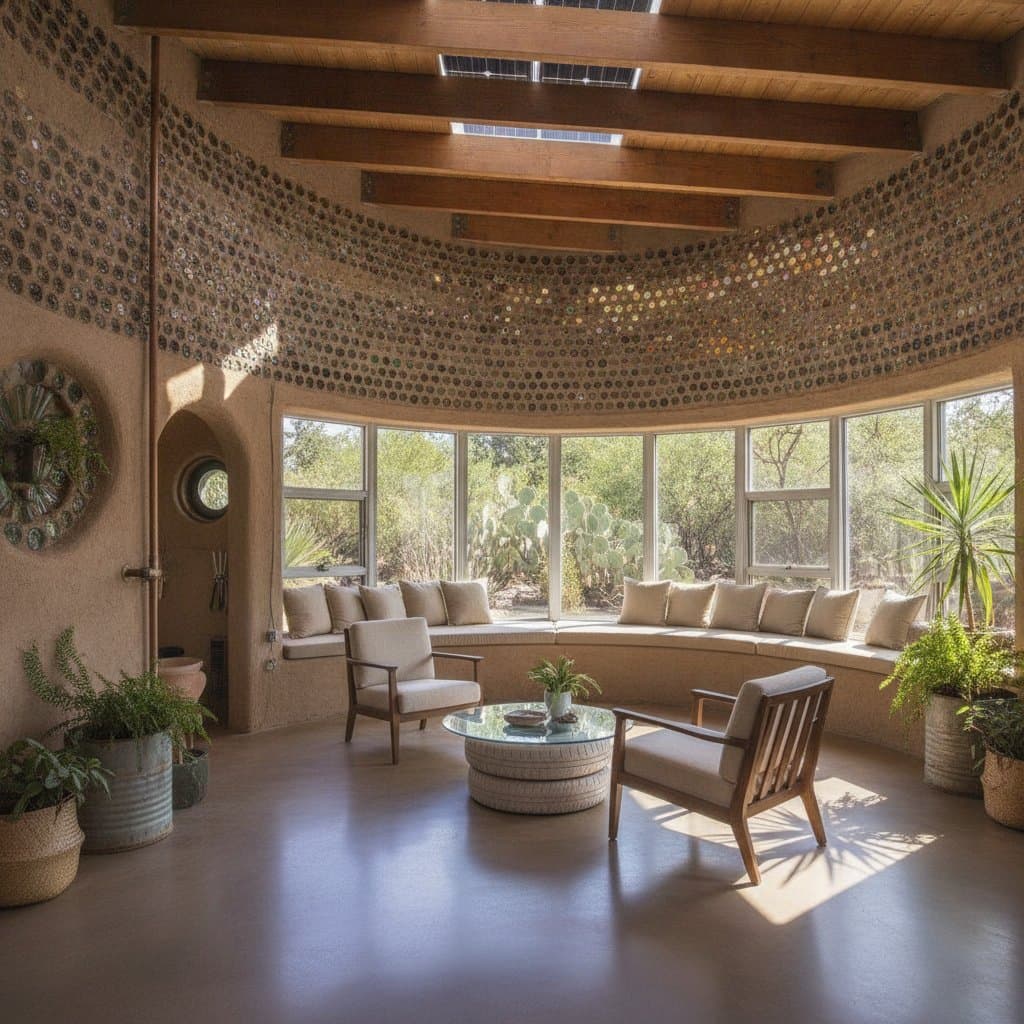
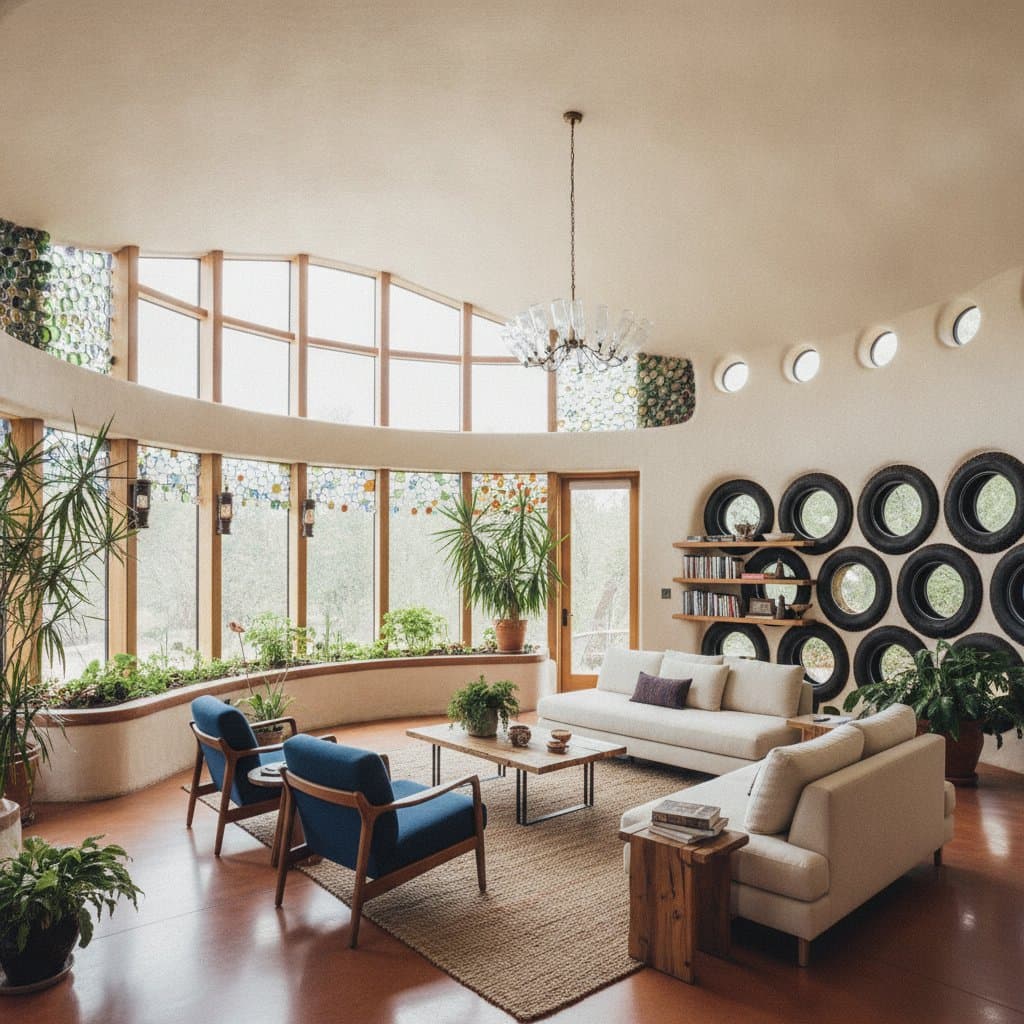
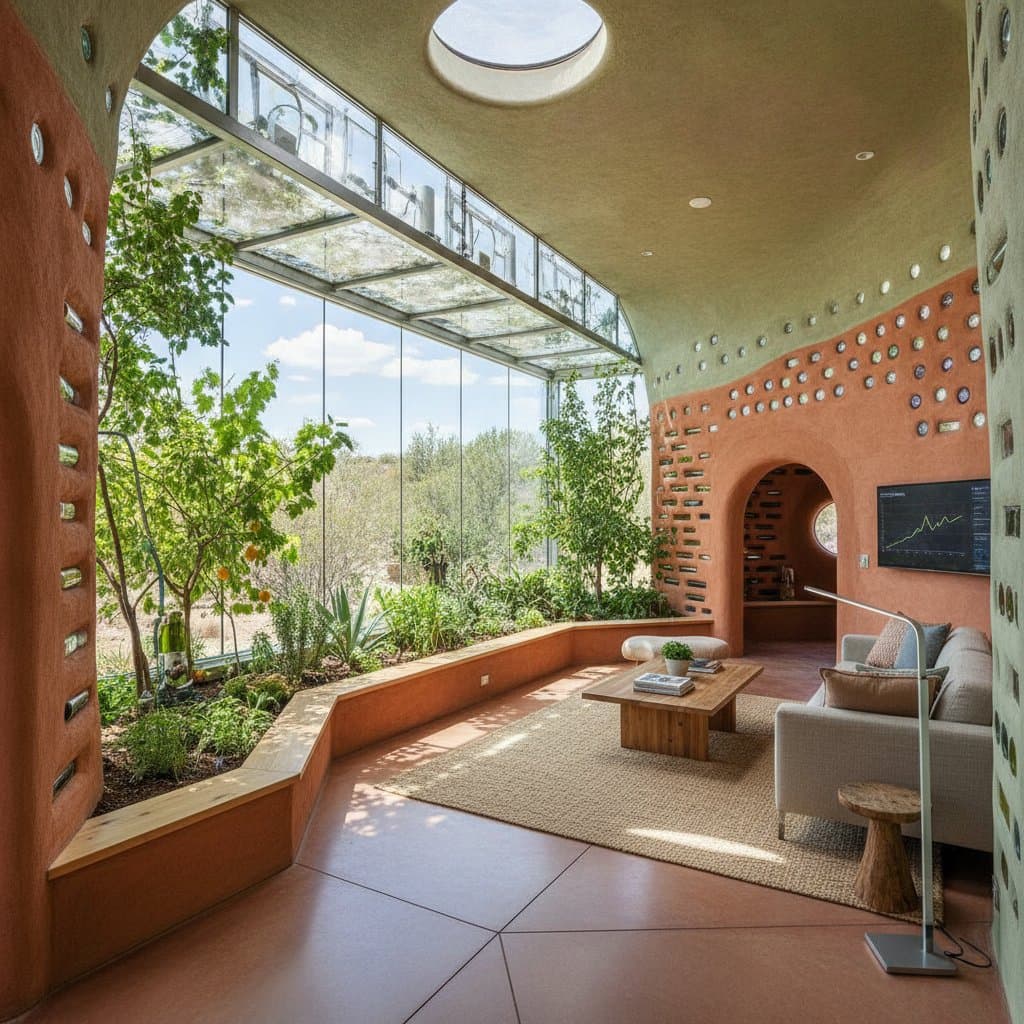
Earthships represent a breakthrough in sustainable architecture, constructing homes from recycled materials that produce their own energy, capture water, and cultivate food. These structures deliver reliable comfort while minimizing reliance on external utilities and environmental harm. Although initial construction requires thoughtful preparation and funding, the outcome provides enduring autonomy and liberation from conventional service providers.

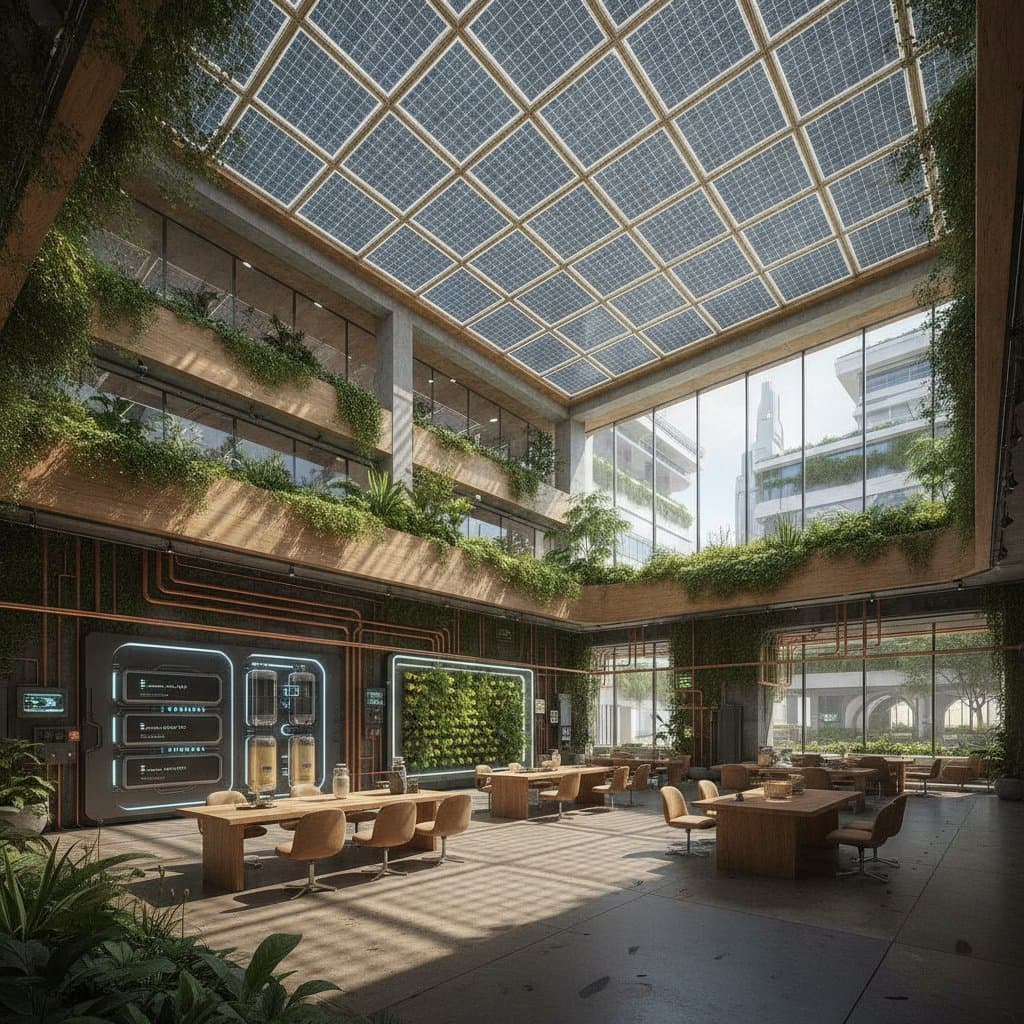
Solarpunk homes integrate sustainability, comfort, and aesthetics through renewable energy, natural materials, and intelligent design. Features such as rooftop gardens and rainwater harvesting systems align these spaces with nature. For new builds or retrofits, solarpunk principles provide a viable route to greener, more self-reliant communities by 2026.

Recycled terrazzo reshapes sustainable design in 2026 by incorporating upcycled glass, stone, and ceramics into a resilient, customizable material. This approach merges environmental responsibility with sophisticated visuals, ideal for countertops, floors, and accents. Learn why professionals and residents increasingly select this forward-thinking option to align with sustainability objectives.

Wabi-Sabi transforms 2026 interiors by honoring imperfection, natural evolution, and understated elegance. Rooted in Japanese aesthetics, this approach uses weathered woods, artisanal ceramics, and soft textiles to foster serene, soulful environments that promote mindful living amid modern demands.