
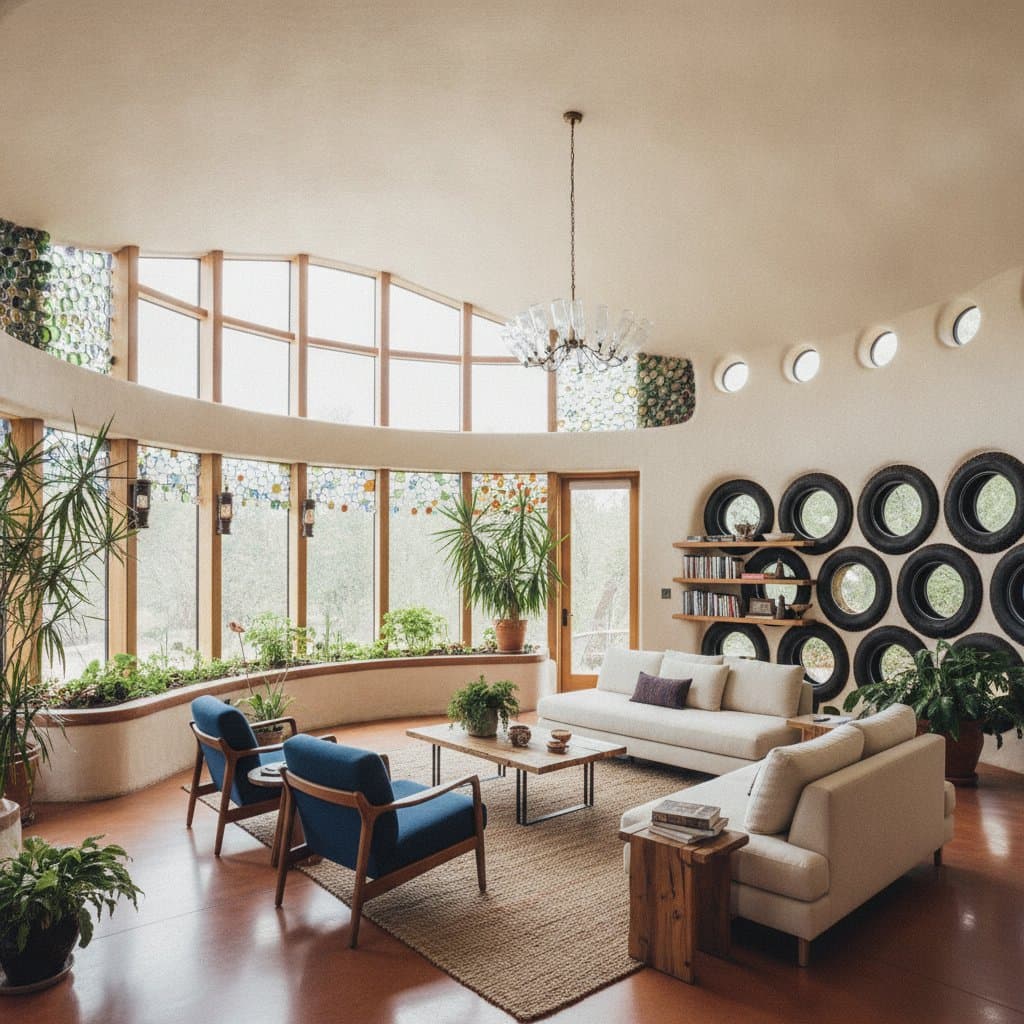
Earthship Homes: Where Recycled Materials Meet Luxury
Imagine walking into a home that stays cool in summer and warm in winter. It carries no monthly utility bill and was built largely from recycled materials. For many homeowners this combination sounds both intriguing and impossible. Yet this is exactly what an Earthship home offers. These off-grid, self-sustaining structures combine rugged sustainability with surprising comfort and modern design.
Rising Costs and Environmental Pressures
Energy prices continue to climb while water restrictions grow more frequent. Building materials cost more than ever. Many homeowners want to live responsibly yet hesitate to sacrifice comfort or style. Traditional eco-homes often appear either experimental or financially out of reach. Earthships demonstrate that sustainability and luxury can share the same foundation.
A Home Built to Work With Nature
An Earthship is a fully autonomous building that generates its own power, collects and filters its own water, and regulates indoor temperature through passive solar design. The concept began with the use of discarded materials such as tires, bottles, and cans as structural components. Over time it has evolved into a refined form of upcycled architecture that blends environmental responsibility with high-end design.
These homes remain off-grid while appearing visually striking. Thick curved walls, large south-facing windows, and plant-filled interior spaces create a distinctive character that feels both organic and sophisticated.
How Earthship Homes Work
Each system supports another, creating a balanced loop that minimizes waste and maximizes efficiency.
Energy System
Earthships rely on solar panels and battery banks. Installation costs typically range from $15,000 to $35,000 depending on system size. This setup supplies power for lighting, appliances, and small HVAC units, allowing the home to function entirely off-grid.
Temperature Control
The main structure uses rammed-earth tires stacked and filled with compacted soil. These walls act as massive thermal batteries. They absorb heat during the day and release it slowly at night, keeping interior temperatures stable year-round and nearly eliminating the need for mechanical heating and cooling.
Water Management
Rainwater is collected from the roof and stored in cisterns. It is filtered for household use and then reused for irrigation after it leaves sinks and showers. In areas with adequate rainfall this system can meet most or all water needs. A complete installation costs between $10,000 and $20,000 depending on filtration and storage capacity.
Waste and Sewage Systems
Greywater from sinks and showers irrigates interior and exterior gardens. Blackwater from toilets is processed in contained botanical cells that break down waste naturally. This arrangement reduces reliance on septic systems and municipal services, although local health codes may still require inspection and permits.
Building an Earthship
Construction requires careful planning and the right team.
- Site Selection: Choose a location with southern exposure for maximum solar gain. Flat or gently sloped land works best. Verify local zoning regulations before starting.
- Foundation and Tire Walls: Fill used tires with compacted earth and lay them in staggered rows. Each filled tire weighs about 300 pounds, so this step demands physical effort and safety measures. A professional crew can complete the wall structure for $30 to $50 per square foot.
- Framing and Glazing: Frame the front of the home with wood or steel and install large thermal windows that allow sunlight to heat the interior mass.
- Roofing and Water Catchment: Install a metal or membrane roof that directs rainwater into cisterns. Budget $8,000 to $15,000 for materials and installation.
- Interior Systems: Add plumbing, electrical, and filtration components. Hire certified electricians and plumbers to meet local codes.
- Finishes and Aesthetic Touches: Apply natural clay or lime plaster to interior walls. Use polished concrete or reclaimed wood for floors. This stage merges luxury with sustainability.
Professional oversight remains essential for structural integrity, electrical safety, and water system performance. Hiring an Earthship-experienced contractor or consultant is strongly recommended.
Costs and Long-Term Payback
Total construction costs typically range from $250 to $400 per square foot depending on design complexity and finish level. This price aligns with many custom homes. Savings appear later through eliminated energy and water bills. Maintenance stays low. Solar panels may need eventual replacement, and water filters require periodic cleaning, yet the core systems are designed for decades of service.
Regional and Legal Factors
Not every jurisdiction welcomes unconventional building methods. Some maintain strict rules about tire use or off-grid systems. Before construction, confirm requirements for structural approvals, wastewater permits, electrical regulations, and fire safety. In colder climates additional insulation or backup heating may be necessary. Humid regions often need vapor barriers and improved ventilation.
Comfort and Design Flexibility
Modern Earthships include high-end kitchens, spa-style bathrooms, and smart-home technology. Thick walls provide exceptional quiet. Indoor gardens filter air naturally and maintain a connection to the outdoors. Architects now adapt the core principles to styles ranging from desert retreats to contemporary suburban homes. Finishes can match any taste or budget while preserving sustainability.
Next Steps for Interested Homeowners
Research local Earthship builders or architects. Visit an existing project when possible. Assess whether your site and budget support this construction type. Begin with a design consultation to estimate costs and feasibility. Proper planning yields a home that delivers lasting independence, comfort, and environmental responsibility.