
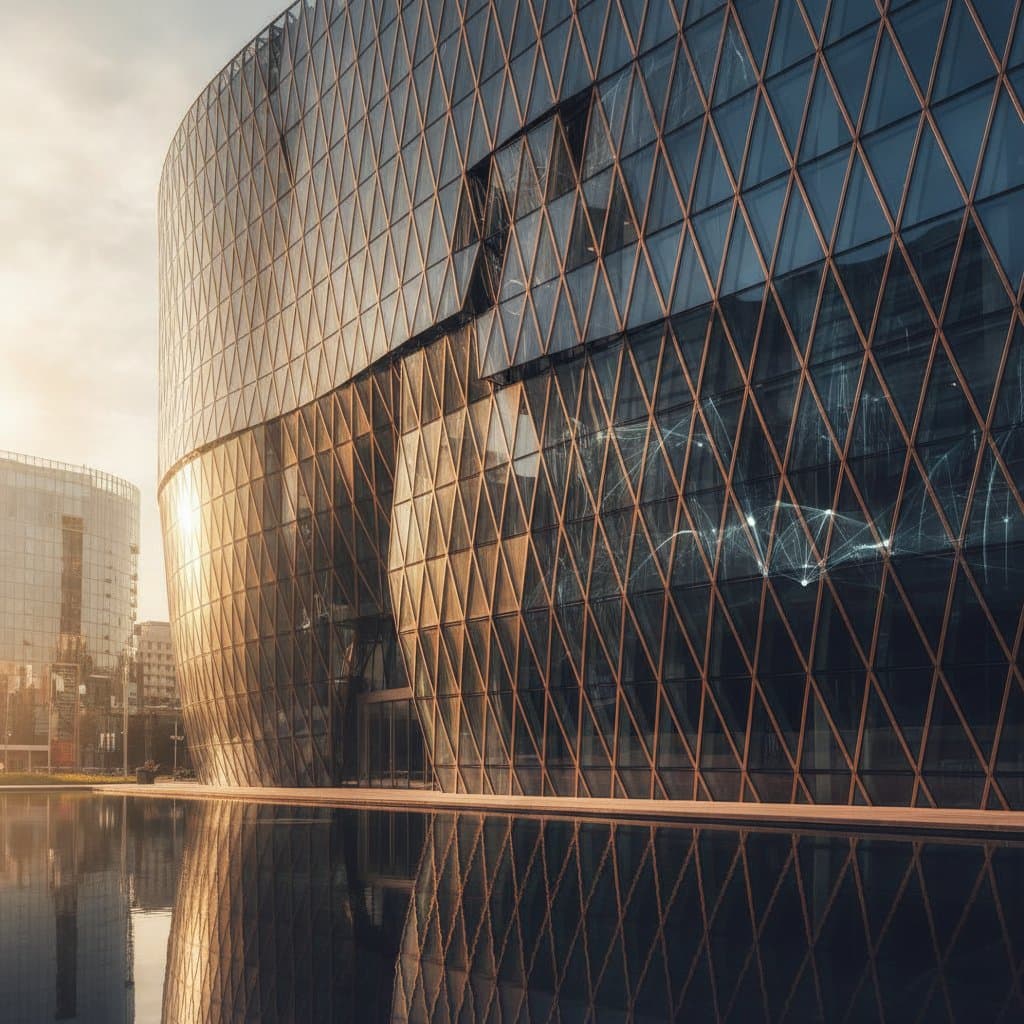
Foundations of Algorithmic Facades
Designers begin by setting performance rules based on site conditions, solar patterns, and user needs. Algorithms then produce numerous configuration options. Teams review simulation data to identify solutions that balance efficiency with visual appeal. Advanced fabrication methods such as CNC milling and robotic assembly translate these geometries into precise components.
The outcome is a facade that appears to emerge naturally from its location.
Key Advantages of Algorithmic Facades
-
Energy Efficiency
Intelligent facades reduce heating and cooling demands by controlling solar exposure and promoting natural airflow. They serve as an initial barrier that lowers operational costs while maintaining interior comfort. -
Dynamic Aesthetics
Patterns and movements within these facades generate shifting visual effects. Occupants experience real-time connections to external conditions through these evolving surfaces. -
Material Optimization
Computational analysis identifies stress points and exposure levels. This approach minimizes material use without sacrificing structural integrity or performance. -
Enhanced Comfort
Adaptive shading, ventilation controls, and lighting adjustments create healthier indoor spaces. Occupants gain a stronger sense of connection to daily and seasonal environmental cycles. -
Digital Fabrication Integration
Design geometries align directly with automated production processes. Data flows from models to machines, which improves accuracy and reduces assembly issues.
Examples of Algorithmic Facades in Practice
A cultural center might feature a perforated metal skin with varying hole densities. These openings adjust according to sunlight angles and room functions, delivering soft light to galleries while protecting performance areas from glare.
A mixed-use tower could incorporate kinetic panels that rotate in response to wind. The motion cools the building and produces an animated surface that echoes urban rhythms.
In each case the facade acts as a data-informed mediator between interior and exterior environments.
Practical Considerations for Implementation
Adoption requires attention to several factors. Advanced modeling tools and custom components often increase initial expenses, yet lifecycle energy savings frequently offset these costs. Teams should evaluate long-term performance during budgeting.
Moving elements demand scheduled upkeep. Durable materials and accessible designs help limit future repairs. Local regulations may impose specific requirements on dynamic systems, so early discussions with authorities support compliance.
Safety measures include sensors, backup mechanisms, and manual controls. Multidisciplinary groups must maintain consistent digital workflows to preserve design intent through construction.
Influence on Urban Experience
These facades alter how people perceive city environments. They merge architecture with performance qualities, turning buildings into active elements that react to weather and activity. The approach also encourages reflection on community values around innovation and environmental stewardship.
Addressing Design Challenges
Critics sometimes note that data-driven methods can emphasize visual impact over functional depth. Technical demands and expenses present additional hurdles. As modeling software becomes more user-friendly and fabrication techniques improve, these barriers continue to decrease.
Effective projects combine performance metrics with attention to human experience. Algorithms supply the framework while creative decisions add purpose and relevance.
Preparing for Dynamic Design
Architects and developers benefit from early experimentation with parametric tools. Simple daylight studies or rule-based models offer accessible starting points. Partnerships with fabricators experienced in complex geometries support successful outcomes.
Clients who select teams familiar with algorithmic methods receive buildings that deliver efficiency and adaptability alongside visual interest.
Experiencing Responsive Buildings
Completed projects foster daily engagement. Shifting patterns across seasons and changing shadow effects on different days strengthen occupant connections to the structure. These ongoing transformations highlight how architecture can evolve alongside its users and surroundings.