
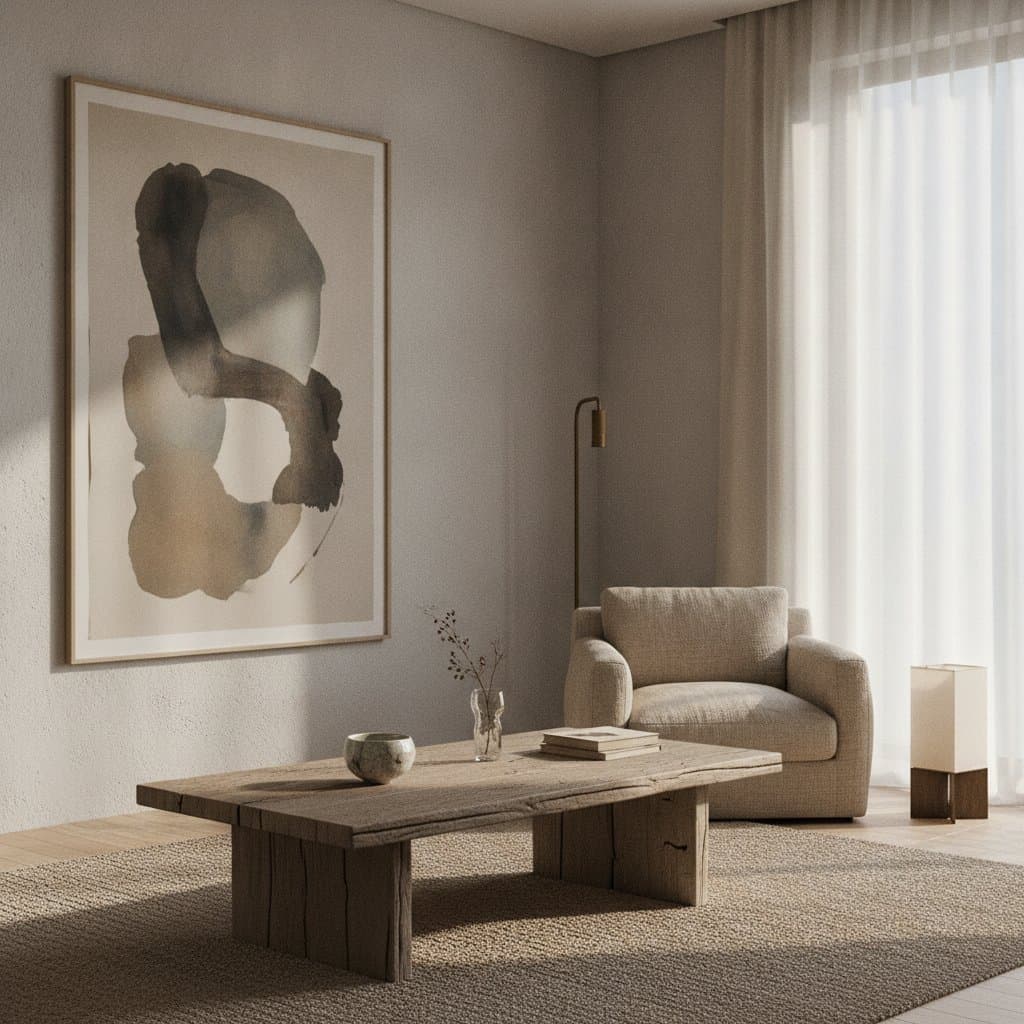
Embracing Imperfect Beauty in Wabi-Sabi Homes
Many interiors appear overly polished and lack warmth. Spaces that incorporate natural textures and signs of age offer a calmer alternative. Wabi-sabi design draws from Japanese principles that value imperfection, impermanence, and authenticity. This approach creates rooms where wood grain, worn surfaces, and uneven plaster contribute to a grounded atmosphere.
The philosophy rejects the pursuit of flawlessness. It highlights materials that age with character and objects shaped by daily use. A wooden table with softened edges or linen that relaxes over time becomes more appealing through these changes. Such elements reflect lived experience rather than unattainable standards.
Finding Value in Everyday Objects
Wabi-sabi originated as a response to excessive luxury and precision. It favors handmade items, weathered finishes, and organic forms. Earth tones paired with tactile surfaces produce a sense of stability. The resulting environment mirrors personal history instead of displaying uniform perfection.
Steps to Introduce Wabi-Sabi Elements
Adopting this style begins with deliberate choices rather than complete overhauls. The following actions help integrate the principles into existing rooms.
-
Select honest materials. Wood, clay, linen, stone, and bamboo develop patina over time. Matte or unfinished surfaces allow natural evolution without added coatings.
-
Reduce visual clutter. Retain only functional or meaningful items. One crafted vessel often holds more presence than multiple manufactured objects.
-
Highlight irregularities. A repaired ceramic piece or textured wall can serve as a focal point. Techniques such as kintsugi emphasize mended areas with gold rather than concealing them.
-
Incorporate outdoor elements. Position seating to capture shifting daylight. Branches, stones, or dried foliage bring seasonal variation indoors.
-
Design small retreats. A simple chair near a window or a cleared surface for reading provides space for pause.
Refining Surfaces and Furnishings
Restraint guides successful application. Walls finished with subtle plaster texture add depth compared with flat paint. Floors that show patterns of use record daily movement. Lighting with warm, diffused quality supports relaxation throughout the day.
Furniture should feel substantial and responsive to touch. Low wooden tables, slipcovered seating, and hand-formed ceramics suit the aesthetic. Each selection avoids ornamentation that competes for attention.
Practical and Sustainable Aspects
This approach reduces reliance on frequent replacements. Objects chosen for durability lower overall consumption. Budget considerations allow both artisan pieces and inherited items when materials remain genuine. Care routines such as periodic oiling of wood or air drying of linen become mindful practices rather than chores.
Changes occur gradually. Rearrangements and material updates unfold as the household evolves. Major structural work requires consultation with professionals familiar with local regulations to maintain safety.
Connection Between Space and Daily Life
Rooms that accept asymmetry echo human experience. Scratches on a dining surface or ripples in plaster serve as quiet reminders of presence. These details transform a house into an active companion rather than a static setting.
Sustaining the Approach Over Time
Once established, the mindset extends beyond initial selections. Future purchases favor longevity. Renovations account for how finishes will develop character. Negative space is preserved so rooms retain room to breathe. The result is a setting that ages alongside its occupants and continues to offer calm through honest, evolving details.