
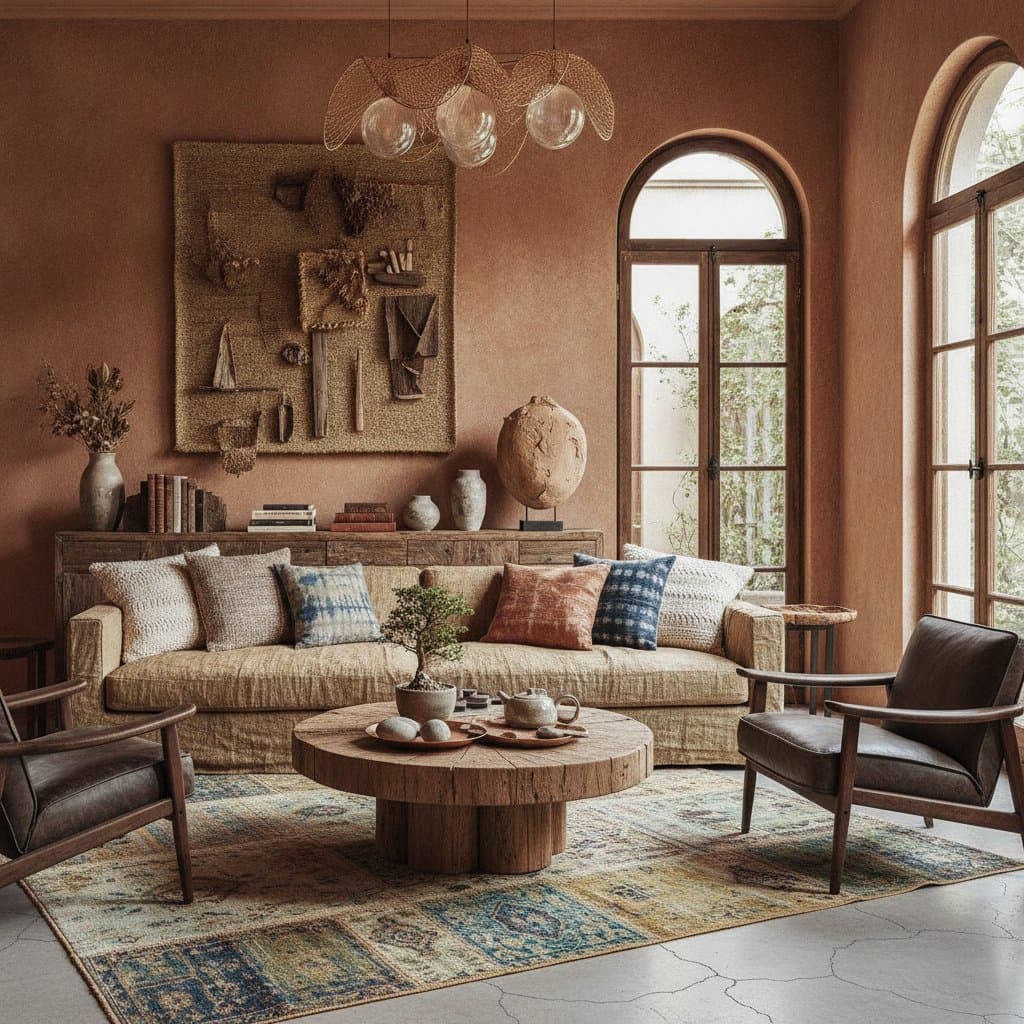
Imperfect Abundance: The Wabi Sabi Maximalism Trend
Have you ever looked around your home and felt torn between wanting things to feel calm but also full of personality? Many people love the idea of minimalism but find it too bare. Others feel drawn to maximalism yet worry about clutter. Wabi Sabi Maximalism offers a solution that blends the warmth of imperfection with the joy of abundance.
This approach creates spaces that feel collected, lived in, and deeply personal. It avoids strict rules in favor of real, worn items that carry life and history. The result remains rich yet relaxed, layered without becoming overwhelming.
Core Principles Behind the Style
Wabi Sabi draws from Japanese aesthetics that value imperfection, natural materials, and the effects of time. It highlights charm in handmade or weathered objects. Maximalism adds celebration of abundance, personality, and visual richness. Together they produce imperfect abundance.
You can include plenty of pattern, texture, and art while selecting pieces that feel honest. Expensive finishes and perfect symmetry give way to authenticity and comfort. This combination suits homes where warmth and individuality matter more than flawless order.
Why the Approach Fits Current Needs
People increasingly want homes that reflect actual daily life rather than staged appearances. Children, pets, and busy routines make constant perfection unrealistic and stressful. Scratches on wood or faded fabrics add character instead of detracting from the overall effect.
Sustainability also plays a role. Reusing, repairing, or upcycling existing items reduces waste and expense. A secondhand cabinet with visible wear can serve as a focal point. The method stays practical, budget conscious, and environmentally responsible.
Steps to Introduce the Style
Combine Textures and Finishes
Texture creates depth. Pair rough surfaces with smooth ones, shiny elements with matte finishes, and older pieces with newer ones. Place a glossy vase on a raw wood shelf or layer linen curtains over a velvet sofa.
Add woven baskets for storage. Layer rugs that differ in pile height. Combine handmade ceramics with metal accents. These choices generate warmth and interest without excess.
Select Grounded Yet Vibrant Colors
Draw from natural tones such as clay, moss, stone, sand, rust, and muted blues. These hues feel anchored. When layered they produce vibrancy. Bold shades work if kept softened or slightly faded.
Apply stronger colors through fabrics, art, or ceramics rather than on every wall. This maintains balance and allows easier future adjustments.
Accept Patina and Natural Wear
Scratches, uneven finishes, and mismatched items contribute stories rather than flaws. Leave wood furniture with dents or paint that has worn unevenly. Such marks supply texture and history.
Create gentle patina through limewash paint or light sanding on edges of newer pieces. Avoid over application that erases all character.
Curate Collections with Purpose
Group similar items together rather than scattering them. Handmade pottery arranged by tone or texture works well. Books organized by height or color family also succeed. Art pieces sharing themes or materials form cohesive displays.
Leave breathing room around each group. This prevents surfaces from feeling crowded.
Blend Eras with Intention
Place a modern lamp beside a vintage sideboard or hang a contemporary painting above an old brick fireplace. Contrast highlights individual pieces. Use shared color or material to connect different periods, such as matching bronze frames to brass fixtures.
Focus on Daily Comfort
Select furniture that supports real use. Keep throws and cushions accessible. Arrange layouts around routines instead of appearances alone. The style succeeds when the space welcomes its occupants first.
Budget, Time, and Upkeep Factors
Thrift stores, flea markets, and estate sales supply authentic pieces at low cost. Invest in solid wood or natural fabrics when needed, then offset expenses by refinishing existing items. Small statement purchases often create more impact than complete replacements.
The look develops gradually. Begin with one area and add objects over time. Simple projects such as painting a cabinet or sewing new cushion covers align with the spirit of the style.
Maintenance stays light because minor marks do not disrupt the aesthetic. Clean surfaces regularly and prevent actual clutter. Warm lighting from mixed sources like floor lamps and candles enhances texture and coziness.
Achieving Balance
Choose one area for stronger patterns or colors and keep surrounding elements quieter. A patterned wall pairs well with neutral furniture. Colorful ceramics on shelves benefit from soft wall tones. Step back often to assess the overall feeling. Remove one or two items if tension appears.
Enjoying the Results
Once adopted, the approach changes how imperfections are perceived. A chipped mug gains favor through use. A faded rug recalls shared moments. The home feels calm despite its contents because personality replaces pressure.