
Earthships: Radical Off-Grid Homes for Sustainable Living
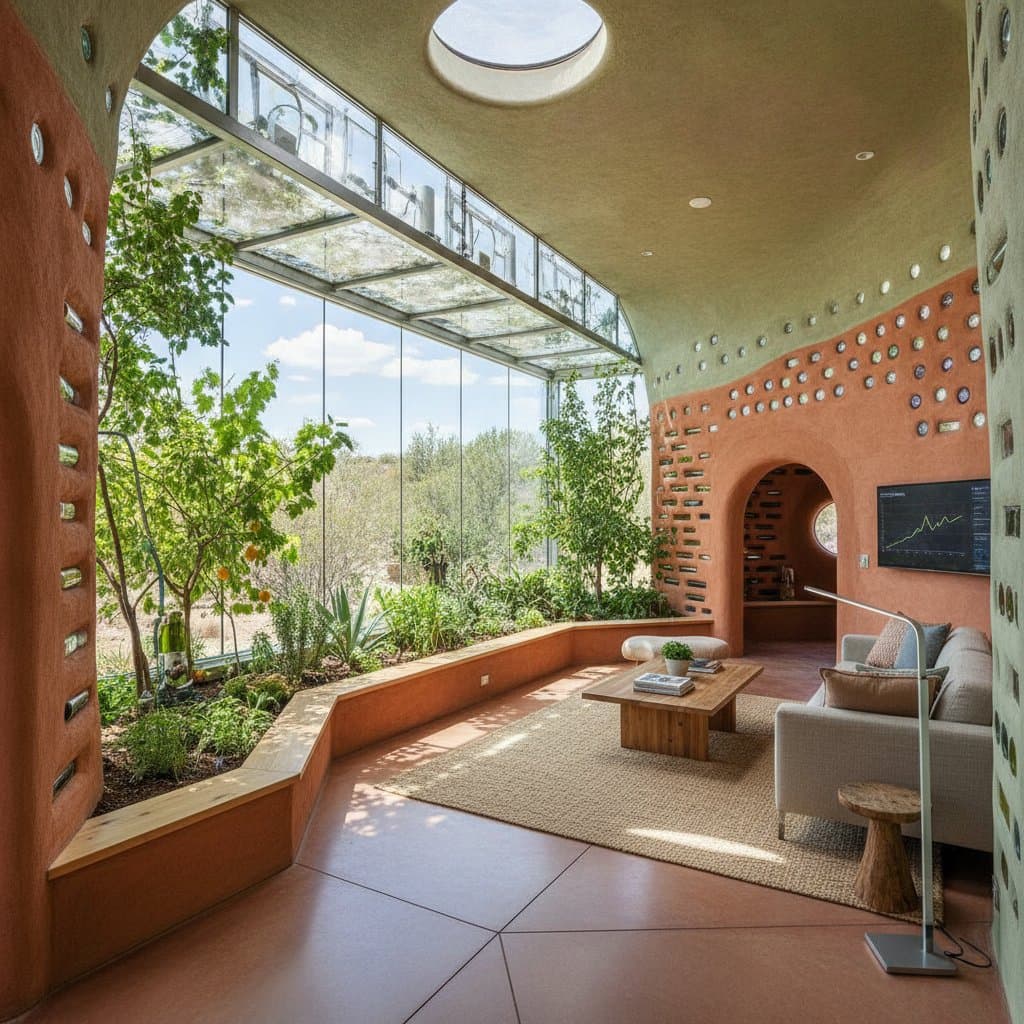
Imagine walking into a sun-drenched living room framed by thick earthen walls. These walls hold the warmth of the day and release it slowly through the night. The air feels fresh from natural ventilation that flows through carefully designed vents. Outside, a garden thrives year-round, nourished by recycled water and protected from harsh winds. This describes an Earthship, a self-sustaining home built to live in harmony with the environment.
If you dream of a home that frees you from utility bills, Earthships offer a real and growing movement in sustainable architecture. These homes prove that residents can live beautifully, independently, and responsibly at the same time.
Rethinking the Way We Build and Live
An Earthship is an off-grid, self-sufficient structure. It generates its own power, collects its own water, and regulates its own temperature without external systems. Architects pioneered the concept to create homes that function entirely on renewable resources and recycled materials.
Earthships integrate natural and human-made elements. Tires filled with compacted earth form thick insulating walls. Glass bottle mosaics let in light while adding character. Solar panels and wind turbines provide energy. Rainwater is collected from the roof, filtered, and reused several times before it returns to the soil through indoor planters.
The Six Principles of Earthship Design
Earthships follow six guiding principles that deliver self-sufficiency.
- Thermal and Solar Heating and Cooling: Massive earthen walls act as natural thermal batteries. They absorb heat during the day and release it at night to keep interior temperatures stable.
- Solar and Wind Electricity: Renewable systems such as solar panels or small wind turbines power the home. Battery storage ensures energy availability at all times.
- Water Harvesting: Rainwater is collected from the roof, stored in cisterns, and filtered for household use.
- Wastewater Treatment: Greywater from sinks and showers is filtered through indoor botanical cells that feed plants. Blackwater from toilets is treated separately for non-edible landscaping.
- Food Production: Built-in greenhouses and planters allow residents to grow vegetables, herbs, and small fruit trees year-round.
- Use of Natural and Recycled Materials: Reclaimed tires, cans, glass bottles, and local earth form the structure while reducing landfill waste.
Building an Earthship: The Process and Possibilities
Construction follows several distinct phases.
- Site Selection and Orientation: Choose land with good solar exposure, ideally facing south in the northern hemisphere. The site needs natural drainage and sufficient elevation for water systems.
- Foundation and Walls: Tires are filled with compacted earth to create dense load-bearing units. These are stacked and reinforced with concrete or rebar.
- Roofing and Water Systems: Metal panel roofs collect rainwater efficiently. Gutters direct water into filtration systems and cisterns while supporting solar panels.
- Interior Design and Finishes: Walls receive natural plaster such as adobe or lime. Recycled glass creates colorful patterns that filter sunlight. Floors can be earthen, tiled, or polished concrete.
- Mechanical and Electrical Systems: Solar panels, batteries, inverters, and composting toilets minimize external dependencies.
- Permits and Codes: Local regulations vary. Some areas support alternative building while others require engineering reports. Professionals experienced in sustainable design help navigate requirements.
Real-World Considerations and Costs
Construction costs vary with size, materials, and location. A modest Earthship can cost less than a conventional home when owners contribute labor. Larger designs with advanced systems reach mid-range housing prices.
Key practical points include labor demands for pounding earth into tires, proper sizing of solar and battery systems, regular maintenance of filters and planters, and research into local permits and insurance policies.
Living Off the Grid
Daily life in an Earthship creates steady interior temperatures regardless of outside conditions. Residents notice every drop of rain that replenishes cisterns and become mindful of energy drawn from sun or wind. Families gain direct education in renewable systems, water cycles, and food production.
Adapting the Concept to Your Region
Design priorities shift by climate. Humid zones emphasize ventilation and moisture control. Dry deserts focus on shading and water storage. Coastal areas require corrosion-resistant materials and elevated foundations.
Making It Happen
Connect with professionals who specialize in sustainable architecture. They refine designs, estimate costs, and guide permit processes from start to finish.
Enjoying Your New Space
Morning light spills through bottle walls in patterns of color. Indoor plants thrive on recycled water. Coffee is powered by sunshine. Maintenance becomes a hands-on rhythm that keeps the home responsive. Habits shift toward less waste and greater reuse. The home serves as a conversation piece and a sanctuary that demonstrates comfort and responsibility together.