
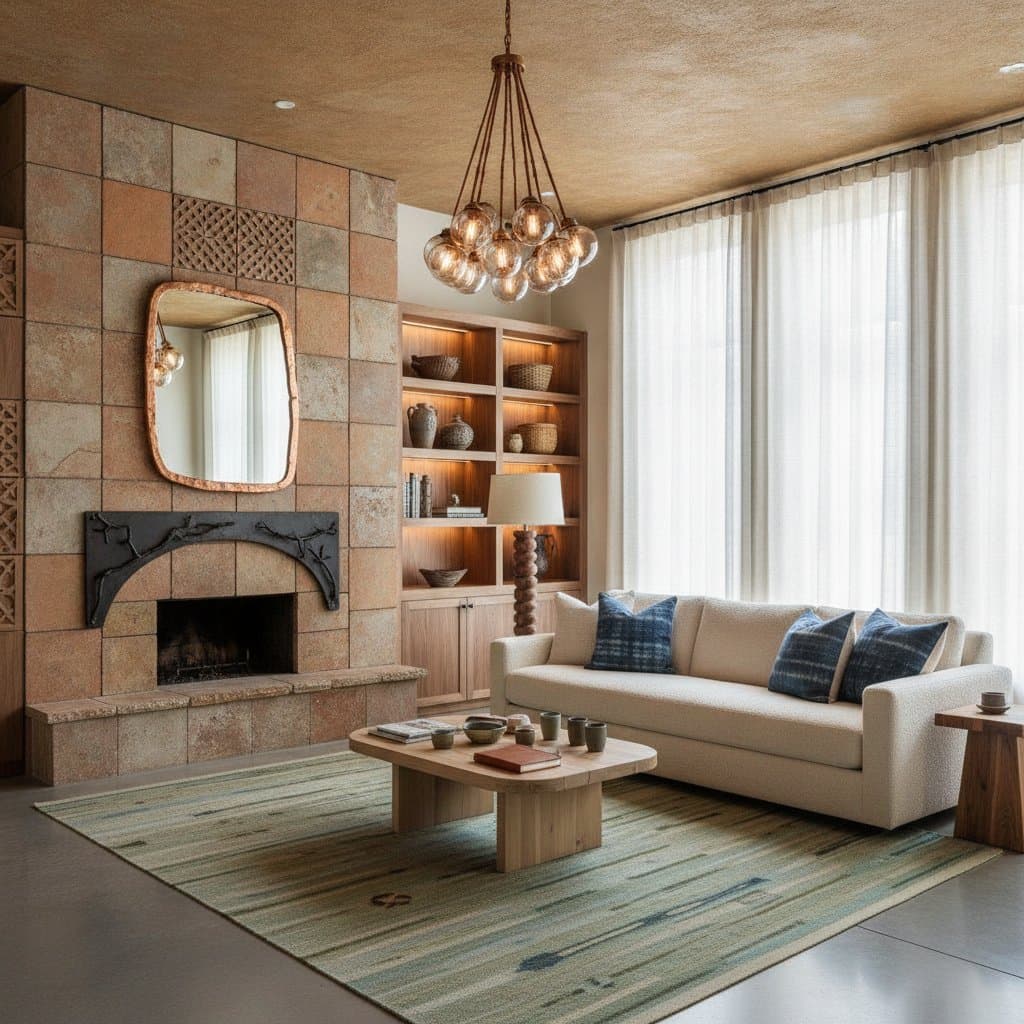
Why Mass Produced Interiors Feel Flat and Empty
Have you walked into a newly finished room and noticed that every surface looks familiar? Repeated cabinet profiles, identical lighting, and factory made accessories can make a costly interior feel flat. Many homeowners are now choosing artisan details that bring texture, character, and a clearer connection to the people who made them.
Why Handmade Design Elements Matter
Mass produced products offer convenience and predictable pricing, but they often limit individuality. Handcrafted interiors use materials and objects with visible variation. A hand carved panel may show small changes in depth, while a handmade tile can have subtle shifts in color and shape.
These details give a room visual interest without relying on excessive decoration. They also help you build a space that reflects your preferences rather than a showroom package. Artisan architecture can appear in many forms, including custom doors, forged hardware, carved stone, plasterwork, woven panels, and locally made furniture.
The goal is not to fill every room with expensive objects. A small number of focused elements can establish the character of the entire interior.
Choosing the Right Craft Features
Start by identifying the surfaces that receive attention every day. A kitchen island, fireplace wall, entry door, or bathroom vanity may offer better value than adding handmade pieces everywhere.
Consider these options:
- Custom millwork: Built in shelving, cabinets, and trim can be tailored to awkward walls and storage needs.
- Handmade tile: Uneven edges and varied glaze colors create depth in kitchens, bathrooms, and mudrooms.
- Forged metal: Cabinet pulls, stair rails, and light fixtures add weight and a durable tactile quality.
- Natural plaster: Lime or clay plaster can provide soft movement and a matte finish that paint cannot fully reproduce.
- Craft furniture: A table or bench made by a local woodworker can become a useful focal point.
- Textiles: Handwoven rugs, curtains, and upholstery introduce warmth while reducing visual hardness.
Select one primary feature and two supporting elements. This approach keeps the room coherent and protects your budget.
Cost, Timeline, and Value
Handmade work usually costs more than standard products. Custom cabinetry commonly ranges from $500 to $1,500 per linear foot, while artisan tile may cost $15 to $60 per square foot before installation. A forged iron light fixture can range from $300 to $2,000, based on size, finish, and complexity.
Regional labor rates affect every estimate. Metropolitan areas and regions with high demand for skilled trades often charge more than smaller communities. Shipping, design revisions, and installation can add to the total.
Allow extra time for samples, shop drawings, fabrication, and delivery. A custom cabinet project may take several weeks or longer, while a one of a kind furniture order can require a similar planning period. Request a written scope that lists materials, finish, dimensions, installation, and payment stages.
Handcrafted details can support resale appeal, but they are not guaranteed to return their full cost. Choose durable materials and designs that remain useful, rather than highly personal features that future owners may remove.
Safety and Professional Installation
Some craft projects require technical skill. Improperly installed stair rails can create fall hazards, and poorly mounted shelves may fail under load. Electrical fixtures require safe wiring, proper boxes, and compliance with local regulations. Structural changes, gas work, and major plumbing should be handled by licensed professionals.
Permits may be required for electrical changes, structural modifications, or extensive remodeling. Ask your contractor which approvals apply before work begins. A qualified installer should also review tile substrates, plaster preparation, ventilation, and moisture control.
Making Handmade Choices Work
Create a finish board with material samples, room colors, hardware, and fabric. View samples in natural and artificial light before ordering. Ask makers how surfaces should be cleaned and repaired, especially for porous stone, waxed wood, and specialty plaster.
Buy fewer pieces, select durable construction, and leave enough visual space around each feature. The best artisan interiors feel collected and practical, not crowded.
Planning Your First Handcrafted Project
Choose one room and one handcrafted focal point. Set a firm budget, confirm lead times, and compare at least two qualified makers or installers. With careful planning, handmade design elements can give your home lasting character while still meeting everyday needs.