
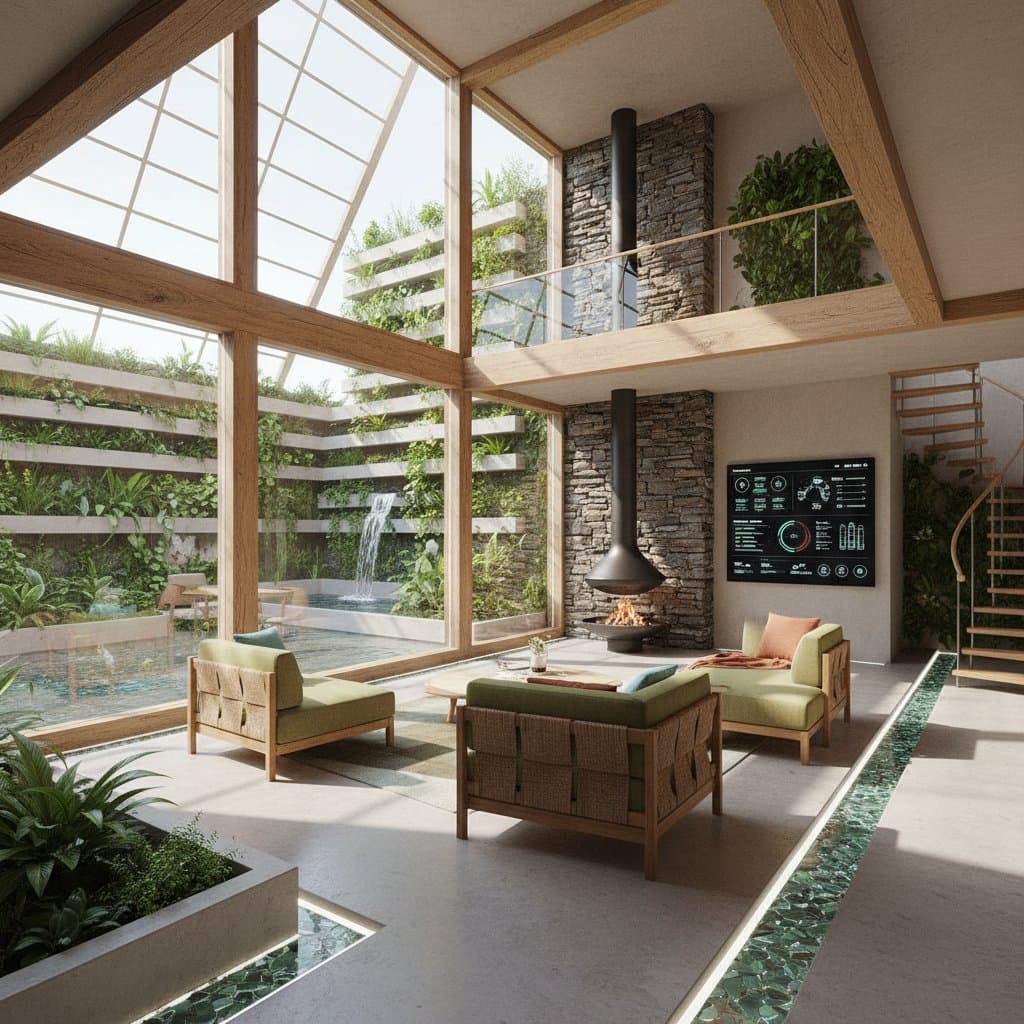
Solarpunk Homes: Eco-Futurism's Optimistic Vision for 2026
Consider your current living space and ponder the possibilities of true sustainability. Beyond installing basic solar panels, envision a residence that restores resources to the environment while meeting daily needs. This concept forms the core of solarpunk design, an emerging movement that integrates advanced eco-technologies with collaborative community principles.
Solarpunk homes mark a departure from resource depletion toward active regeneration. These structures harmonize with natural ecosystems rather than dominating them. Picture a dwelling that harvests rainwater for irrigation, cultivates edible plants on its rooftop, and maintains comfortable temperatures through intelligent airflow systems that minimize reliance on mechanical cooling. Such innovations extend beyond theoretical ideas; architects, builders, and residents implement them today to foster resilient, forward-thinking habitats.
What a Solarpunk Home Looks Like
Solarpunk residences defy rigid aesthetic categories. They range from sleek urban apartments equipped with integrated tech to renovated suburban houses or remote, self-sufficient retreats. Despite their diversity, these homes unite around key elements that prioritize environmental synergy and efficiency.
- Natural materials such as bamboo flooring, salvaged timber framing, or adobe-style earthen walls that sequester carbon and age gracefully.
- Energy independence achieved via photovoltaic solar arrays coupled with lithium-ion battery banks for storing excess power during peak sunlight hours.
- Green roofs and vertical gardens featuring drought-resistant plants that filter pollutants from the air, insulate against heat, and yield fresh produce like leafy greens or berries.
- Smart water systems designed to recycle shower and sink runoff for toilet flushing or landscape watering, alongside cisterns that capture and filter rooftop rainfall.
- Passive design principles that leverage orientation toward the sun, strategic overhangs for shading, and cross-breezes to stabilize indoor climates without excessive energy input.
These features not only enhance visual appeal but also deliver tangible benefits, including reduced utility expenses and simplified upkeep over the years.
Steps to Start Building or Converting Your Space
Transitioning toward a solarpunk-inspired home requires no complete overhaul. Incremental modifications allow gradual progress without overwhelming budgets or timelines. Follow this structured approach to initiate meaningful changes.
- Assess your current energy use. Review utility statements from the past year to identify high-consumption areas, such as inefficient appliances, outdated HVAC systems, or excessive lighting. Tools like home energy audits, available through local utilities, provide precise data on potential savings.
- Add solar or renewable power. Install a modest 3-5 kilowatt solar array on south-facing roofs, which can cover 50-70 percent of average household electricity needs. With panel costs now under $1 per watt in many markets, combined with incentives like the federal Investment Tax Credit, payback periods often fall within 5-7 years.
- Improve insulation and ventilation. Upgrade to high-R-value materials, such as spray foam or cellulose in attics and walls, and install energy-efficient windows with low-E coatings. These enhancements can reduce heating and cooling demands by up to 30 percent, with initial investments of $500-$2,000 yielding annual savings of several hundred dollars.
- Introduce greenery. Incorporate modular hydroponic systems on balconies for year-round herb growth or install living walls with native species that require minimal watering. Such additions not only boost biodiversity but also improve mental well-being through biophilic connections.
- Use reclaimed or local materials. Source lumber from deconstructed buildings via salvage yards or opt for regionally quarried stone to cut transportation emissions. This approach lowers material expenses by 20-40 percent while supporting circular economy practices.
Implement these steps sequentially, perhaps dedicating one season per phase, to manage expenses and observe progressive improvements in comfort and efficiency.
Pros and Cons to Keep in Mind
Adopting solarpunk principles involves balancing rewards against practical hurdles, much like any significant home transformation.
Pros:
- Substantial reductions in ongoing energy and water bills, often 40-60 percent lower than conventional homes.
- Enhanced indoor environments with superior air quality from plant filtration and abundant natural illumination.
- Deeper ties to local ecosystems and neighborhoods through shared green initiatives.
- Distinctive aesthetics that blend innovation with timeless appeal, increasing property resilience against climate shifts.
Cons:
- Elevated initial outlays for systems like solar installations or custom green roofs, potentially $10,000-$50,000 depending on scale.
- Requirements for specialized expertise, such as certified installers for electrical or plumbing integrations.
- Ongoing responsibilities, including seasonal pruning of vegetation or monitoring water purity in recycling setups.
Strategic budgeting and collaboration with vetted professionals mitigate these drawbacks effectively.
Practical Details Before You Start
Budget expectations fluctuate based on project scope; a targeted retrofit might commence at $3,000 for insulation and basic solar, escalating to $100,000+ for comprehensive overhauls. Consult municipal codes early for solar mounting standards or rainwater harvesting protocols, as variances exist by region to safeguard structural integrity and public health.
Homeowners associations often evolve toward sustainability; present proposals with data on energy savings and aesthetic harmony to gain approval. The permitting timeline typically spans 4-8 weeks, after which straightforward tasks like LED fixture swaps or sealant applications complete in a single day. Engage licensed contractors for complex work to ensure compliance and longevity.
Embracing Regenerative Living
Solarpunk design transcends fleeting fashions, embodying a proactive stance on environmental stewardship. When integrated thoughtfully, elements like energy-harvesting surfaces and productive landscapes turn residences into contributors within broader ecological networks. Begin with accessible actions, such as a compact composting unit or energy-tracking app, to cultivate momentum toward broader impacts.
Through these personal efforts, individuals influence wider housing paradigms, promoting equitable access to clean, adaptive spaces that inspire collective progress.