
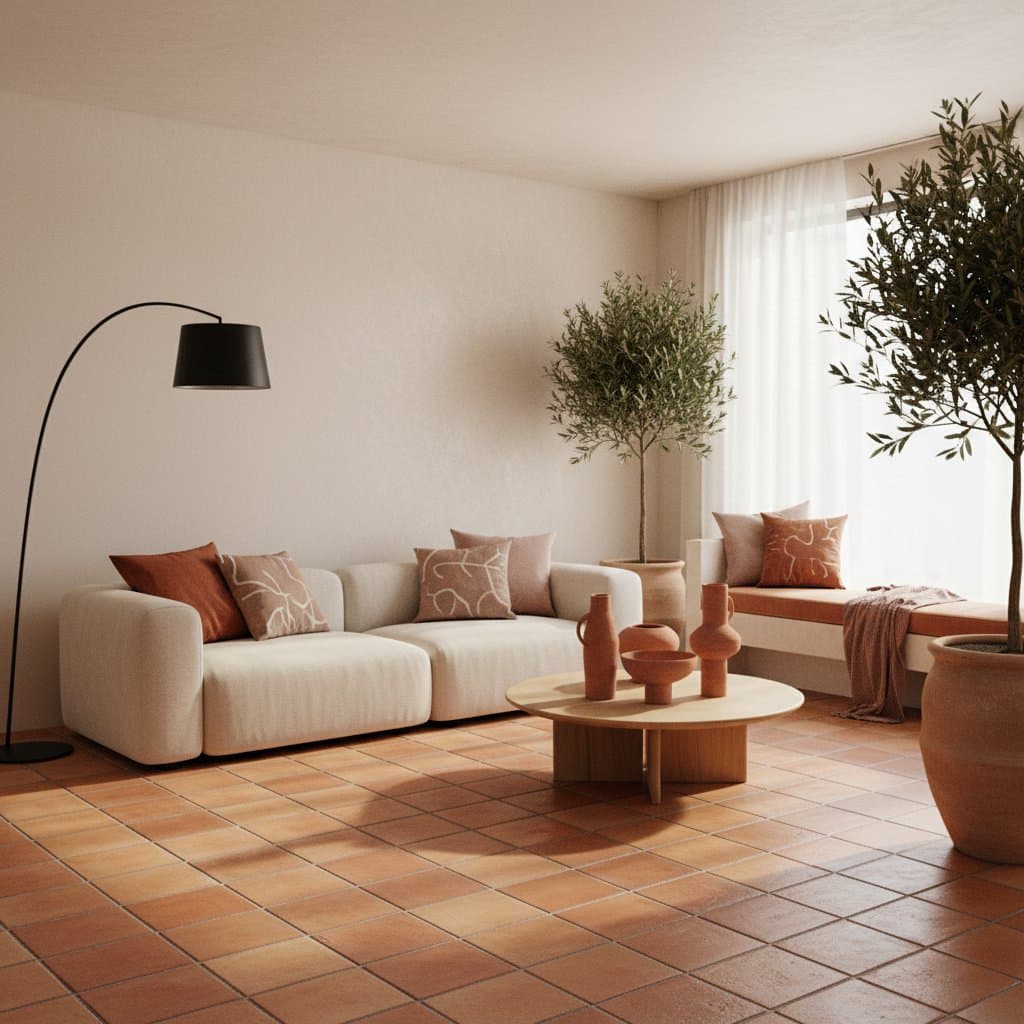
Reviving Modern Homes: The Enduring Warmth of Terracotta in 2026
Design enthusiasts often notice recurring elements amid a sea of images: subtle hues that evoke both rustic simplicity and sophisticated refinement. Terracotta leads this resurgence, drawing interiors toward the comforting embrace of natural materials. This baked-earth staple introduces an authentic, imperfect elegance that counters the cool sterility of many contemporary spaces. Homeowners seeking vitality discover in terracotta a transformative element that restores balance and depth.
The Timeless Appeal of Terracotta
Terracotta derives its name from the Italian for "baked earth," a descriptor that encapsulates its inherent, soothing quality. This material imparts warmth through varied textures and subtle tones, from soft ochre to deeper rusts, without dominating the surrounding palette. Its versatility allows integration across diverse applications, such as durable flooring, textured wall coverings, artisanal pottery, or subtle accents, each enhancing the harmony between organic forms and sleek modern lines.
In minimalist urban dwellings, terracotta floor tiles introduce a tactile contrast to sharp angles and glass surfaces, softening the overall aesthetic with their handcrafted irregularities. Traditional settings benefit similarly; a terracotta backsplash in a farmhouse kitchen mirrors the surrounding countryside, adding layers of visual interest. This adaptability ensures terracotta integrates naturally, fostering environments that feel intuitive and lived-in rather than contrived.
Terracotta's Place in Contemporary Design
Contemporary designers embrace earthy elements like terracotta to satisfy a growing demand for genuine, tactile experiences in home environments. Unlike synthetic alternatives, terracotta offers a substantial presence, with surfaces that invite touch and reveal subtle variations in color and grain. These qualities span a spectrum of shades, enabling pairings with natural fibers like linen, warm woods such as oak, or cool stones like marble to craft cohesive, enduring schemes.
This movement transcends mere retro appeal; it represents a deliberate effort to align interiors with the rhythms of the natural world. Terracotta evokes images of sun-drenched landscapes and leisurely paces, serving as a counterpoint to overly processed aesthetics. Through its emotional resonance and sensory engagement, it encourages spaces that promote relaxation and mindfulness.
Incorporating Terracotta Thoughtfully
Homeowners can introduce terracotta strategically to amplify its warming effects. Consider these targeted approaches for seamless integration.
-
Flooring Applications: Opt for unglazed terracotta tiles in entryways or living areas to establish an immediate sense of grounded warmth. Proper sealing with a penetrating sealer protects against wear, allowing the surface to develop a rich patina over time that reflects the home's daily rhythms.
-
Wall Treatments: Apply terracotta-based limewash or plaster to feature walls in bedrooms or hallways. This technique delivers a breathable, matte finish that diffuses light softly, creating depth without the boldness of paint.
-
Decorative Elements: Select terracotta vases, candleholders, or woven baskets for tabletops and shelves. These pieces provide color continuity and textural interest, serving as focal points that unify disparate room elements.
-
Indoor-Outdoor Transitions: Install terracotta pavers on patios that extend into sunrooms, blurring boundaries between spaces. Planters in matching tones further this connection, bringing garden vitality indoors.
-
Functional Accents in Kitchens and Baths: Incorporate terracotta drawer pulls, open shelving supports, or mosaic backsplashes. These details infuse utility areas with artisanal character, enhancing usability while elevating the sensory experience of cooking or grooming routines.
Essential Practical Guidance
Terracotta's porous nature requires careful preparation, particularly in moisture-prone zones like kitchens and bathrooms. Apply a high-quality, water-based sealer during installation to shield against spills and humidity; reapply every two to three years based on usage. Daily upkeep involves sweeping or vacuuming followed by damp mopping with a pH-neutral cleaner, preserving the material's integrity without harsh chemicals.
Pricing fluctuates with factors such as craftsmanship and sourcing; artisanal, imported tiles from regions like Mexico or Italy command premiums for their distinctive firing marks and color depth. Budget-conscious options include domestically produced replicas or mixed-media applications, where terracotta accents complement larger neutral surfaces. Such selective use maximizes impact while controlling costs, often yielding the most harmonious results.
Embracing Terracotta's Lasting Influence
Integrating terracotta fosters a dynamic interplay with light, as its surface shifts from golden glows in morning sun to deeper ambers at dusk, animating rooms throughout the day. It complements expansive neutrals, lush greens inspired by foliage, and serene blues reminiscent of skies, opening avenues for personalized layering. Over time, the material matures gracefully, its subtle evolutions mirroring the lives within the home.
Beyond aesthetics, terracotta cultivates a profound sense of rootedness, evoking shared histories and natural cycles. Homeowners who adopt it often report heightened appreciation for their surroundings, from the way sunlight dances on textured planes to the quiet assurance of enduring quality. This choice transforms residences into sanctuaries that nurture well-being, blending modern convenience with elemental authenticity.