
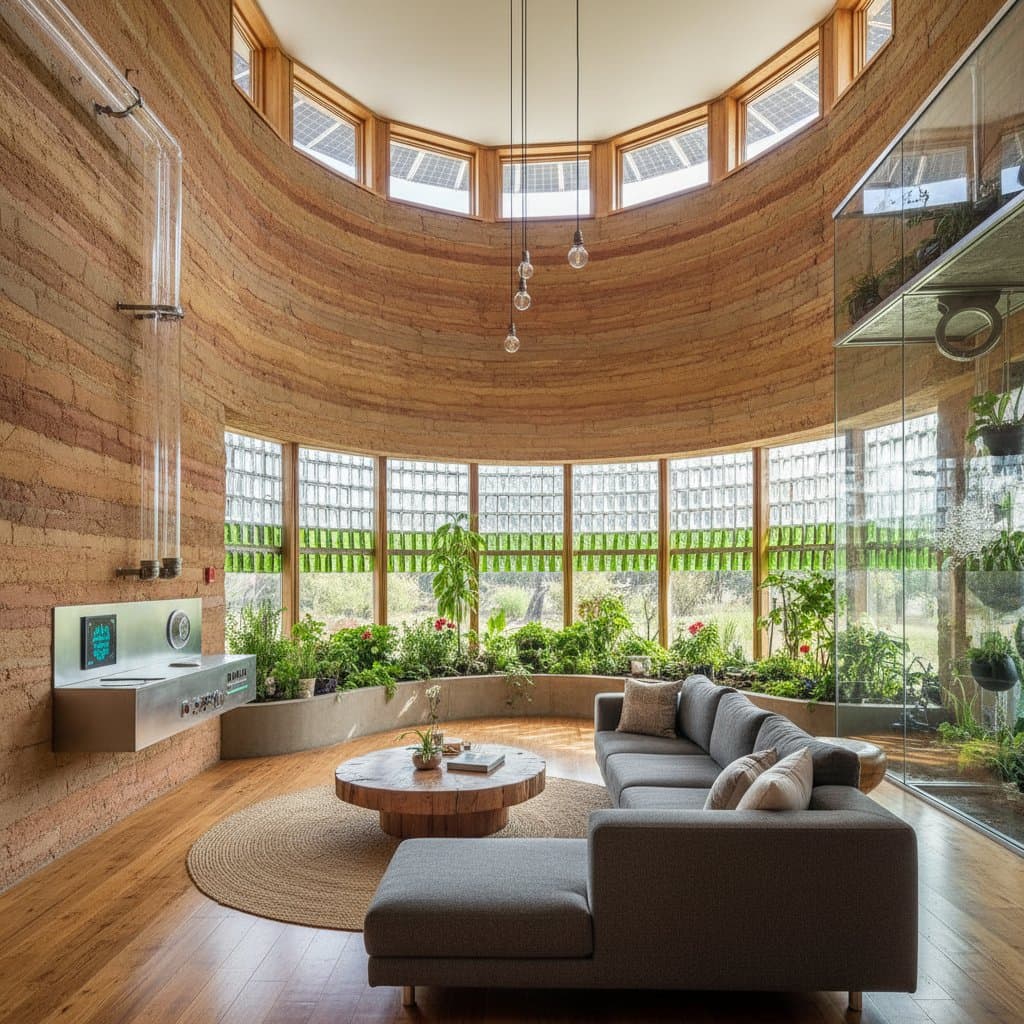
Why Earthships Are Reviving Off-Grid Living
Imagine a home that maintains comfortable temperatures year-round without relying on external utilities. Earthships make this vision reality by integrating sustainable design with natural resources. These structures are gaining popularity among those seeking independence from traditional grid systems while embracing environmental harmony.
The Return of Self-Sustained Homes
Off-grid living once appealed mainly to remote homesteaders. Today, it attracts a broader group of individuals focused on sustainability. Earthships exemplify this shift by constructing homes from local earth and recycled items, such as tires filled with soil and glass bottles for walls.
These materials create thermal mass that stabilizes indoor climates. In contrast to standard homes dependent on heating and cooling units, Earthships reduce energy use by up to 80 percent in many climates. Residents benefit from lower costs and a deeper connection to their surroundings.
How Earthships Work
Earthships position themselves strategically, often bermed into south-facing slopes to maximize solar exposure. Walls, typically 18 to 24 inches thick, use rammed earth techniques for insulation. This setup allows the home to absorb daytime heat and release it slowly at night.
Key systems include:
-
Thermal Mass Construction: Walls and floors made from compacted earth and recycled containers store solar heat. This passive approach maintains temperatures between 65 and 75 degrees Fahrenheit in diverse weather conditions.
-
Solar Power Systems: Photovoltaic panels on south-facing roofs produce 5 to 10 kilowatts daily, depending on location. Excess energy charges deep-cycle batteries for nighttime use, powering essentials like refrigerators and lights.
-
Water Harvesting and Reuse: Roofs channel rainwater into cisterns holding 5,000 to 10,000 gallons. Filtration systems, including sedimentation and UV treatment, provide potable water. Greywater from sinks irrigates interior plants.
-
Indoor Food Production: Attached greenhouses, spanning 200 to 400 square feet, use passive solar heating. They cultivate year-round crops like tomatoes, greens, and citrus, supplementing household needs with fresh produce.
-
Waste Management: Composting toilets convert human waste into soil amendments over six months. Blackwater systems integrate with greywater recycling, achieving near-zero discharge.
These elements form an interconnected network, mimicking natural ecosystems for efficiency.
The Modern Appeal of Off-Grid Living
Rising energy prices and climate concerns drive interest in Earthships. Homeowners gain autonomy over utilities, potentially saving thousands annually on bills. The design also enhances resilience during power outages or water shortages.
In varied landscapes, from deserts to temperate zones, adaptations ensure viability. For instance, in dry areas, larger cisterns and efficient fixtures address scarcity. This flexibility aligns with contemporary values of resilience and stewardship.
Budget and Practical Considerations
Initial costs for a 1,000-square-foot Earthship range from $150,000 to $250,000, comparable to conventional builds. Savings accrue through eliminated utility fees, often recouping investments in 5 to 10 years. Recycled materials lower expenses by 20 to 30 percent.
Local regulations vary; some jurisdictions mandate grid connections or engineered septic systems. Consult zoning boards early and hire certified builders familiar with passive solar standards. Ensure designs include radon mitigation and seismic reinforcements for safety.
Steps to Get Started
Select a site with at least six hours of daily sunlight and access to water sources. Conduct soil tests to confirm stability for earth-based foundations. These preparations tailor the build to local conditions.
Follow these steps:
-
Research Local Conditions: Analyze annual rainfall, typically needing 10 inches minimum for self-sufficiency, and average temperatures. Adjust greenhouse sizes accordingly.
-
Plan Your Systems: Calculate daily water use at 10 to 20 gallons per person and size solar arrays to match. Integrate battery banks with 48-volt inverters for reliability.
-
Find Skilled Help: Engage architects trained in Earthship Biotecture principles. Attend workshops offered by organizations like the Earthship Biotecture academy for hands-on knowledge.
-
Start Small: Construct a 400-square-foot prototype to refine systems before scaling. Monitor performance with sensors for temperature and energy output.
-
Stay Flexible: Incorporate modular expansions, such as additional greenhouse bays, based on family growth or lessons learned.
Embracing Sustainable Independence
Residing in an Earthship fosters mindfulness of resource use. Daily routines highlight the sun's role in powering devices and rain's value in sustaining life. Over time, this lifestyle cultivates a profound appreciation for natural cycles.
Building Your Earthship Vision
Collaborate with sustainable construction experts to bring your project to life. Platforms like Doric South connect you with professionals skilled in rammed earth and off-grid integrations. An Earthship offers enduring comfort, ecological balance, and self-reliance for generations.