
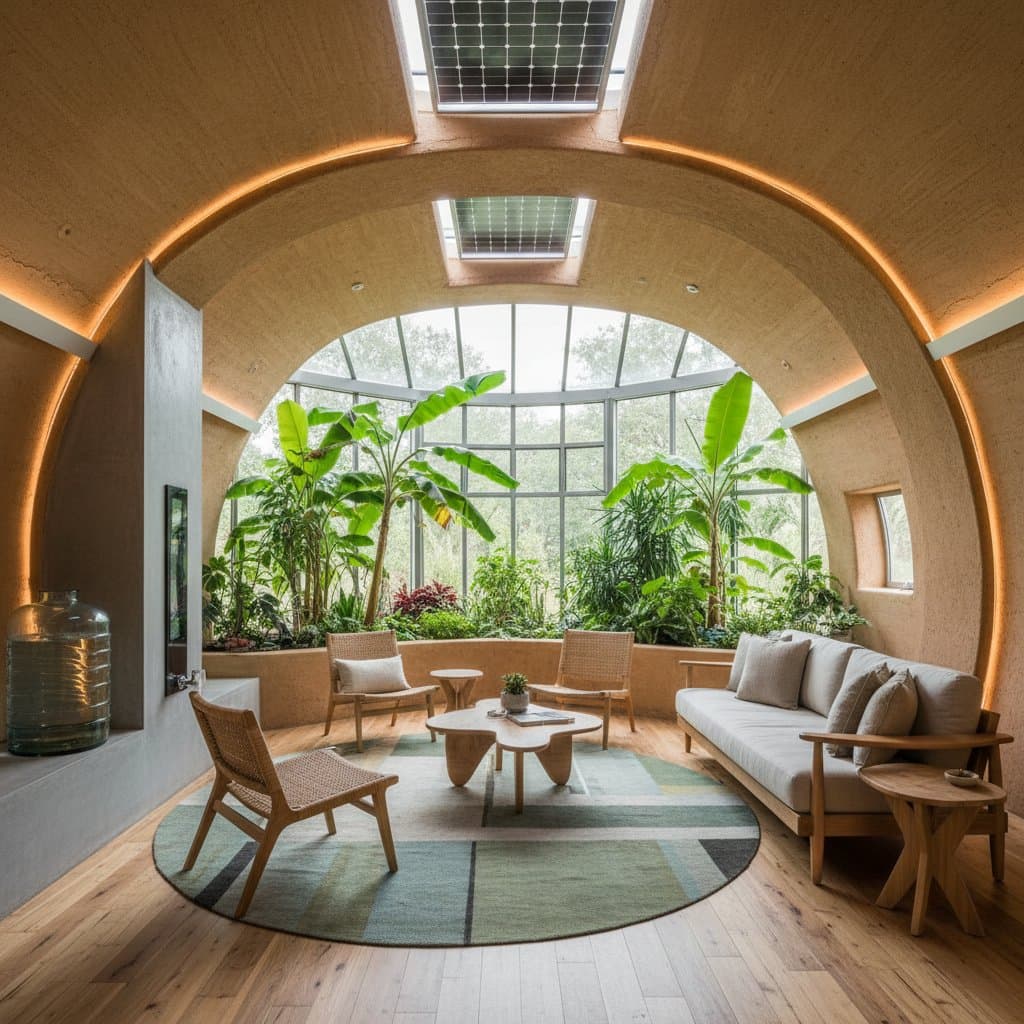
Earthships: Pioneering Sustainable Off-Grid Living
Consider a residence that generates its own electricity, captures rainwater, and maintains internal comfort without dependence on public utilities. Such structures, known as Earthships, attract renewed interest among those committed to self-reliance. These homes utilize natural and recycled resources, with rammed earth serving as the primary building technique. The approach promotes comfort while minimizing environmental impact, reducing operational costs, and incorporating locally sourced materials.
For individuals envisioning an off-grid existence or a dwelling harmonious with its surroundings, Earthships represent a viable pursuit. Although conceptualized decades ago, advancements in construction methods and availability of eco-friendly supplies have revitalized their popularity. These designs extend beyond isolated desert settings to appeal to a broad audience prioritizing autonomy, ecological responsibility, and participatory architecture.
The Significance of Rammed Earth Construction
Rammed earth ranks among the most enduring and environmentally sound building practices globally. The process entails compacting a blend of earth, clay, sand, and occasionally stabilizers such as cement or lime into firm layers within temporary forms. Upon removal of the forms, robust, monolithic walls emerge.
This technique yields substantial advantages despite its straightforward nature. The resulting walls possess considerable thickness, longevity, and inherent resistance to fire. Moreover, they exhibit superior thermal mass, absorbing and releasing heat to stabilize indoor environments across seasons, thereby diminishing reliance on artificial climate control.
Key advantages of rammed earth include:
- Exceptional durability requiring little upkeep over extended periods
- Immunity to insects and decay
- Non-toxic composition that enhances air circulation and quality indoors
- Aesthetic appeal through organic hues and tactile surfaces
- High energy efficiency post-construction
Labor intensity presents the primary challenge. Compounding, layering, and curing demand significant physical effort and time. Self-builders must prepare for strenuous activity, while engaging experts alleviates demands at the expense of increased expenditure.
Constructing an Earthship: A Structured Guide
Embarking on an off-grid Earthship project requires meticulous preparation. The following outline provides a sequential framework.
1. Evaluate Site-Specific Factors
Examine the property thoroughly, assessing soil composition, precipitation patterns, solar exposure, and climatic variations. Rammed earth thrives in arid or temperate zones, yet adaptations like sealants and drainage systems enable viability in humid regions. Consult local regulations prior to conceptualizing designs to ensure compliance.
2. Select or Develop a Layout
Access numerous freely available Earthship blueprints, or collaborate with a sustainability-focused architect. Essential elements encompass:
- South-oriented glazing for optimal passive solar gain
- Integrated greenhouse or indoor cultivation area
- Rainwater harvesting infrastructure
- Natural ventilation pathways for cooling
- Dedicated spaces for energy and water storage
Simplicity in design reduces mechanical dependencies and simplifies ongoing management.
3. Source Essential Materials
Procure:
- On-site or proximate earth
- Aggregates including sand and clay for structural integrity
- Recycled elements such as tires, glass bottles, or metal cans for thermal mass (where applicable)
- Reinforcement components like rebar or wire mesh
- Timber for formwork and structural supports
- Climate-appropriate roofing
Authentic Earthship implementations further necessitate photovoltaic arrays, energy storage units, cisterns, and sanitation systems for water reuse.
4. Erect the Rammed Earth Structure
This phase demands the greatest exertion. Employ formwork to contain the moistened mixture, compacting it incrementally with pneumatic or manual tools until solidity is achieved. For alternative mass walls, fill and compress earth into tires, arranging them in interlocking courses akin to masonry.
5. Integrate Roofing and Utilities
With walls secured, affix a rainwater-shedding roof, such as corrugated metal or synthetic membranes. Mount solar collectors or supplementary wind generators, linking them to battery banks. Establish collection, purification, and distribution networks for water, routing non-potable effluents to support greenhouse vegetation.
6. Complete Interior Finishes
Coat walls with lime or earthen plasters for protection and aesthetics. Incorporate supplemental insulation at openings. Construct furnishings from salvaged timber to reinforce the organic motif.
Essential Planning Elements
Address these considerations to mitigate potential issues.
Navigating Permits and Codes
Engage municipal offices promptly. Jurisdictions may impose limitations on alternative materials or autonomous utilities. Secure endorsements from engineers for structural integrity, solar installations, and water management.
Adapting to Local Climate
Optimal performance occurs in sun-drenched, low-humidity locales with suitable soils. In harsher conditions, augment with additional barriers against moisture or cold, and consider auxiliary heat sources. Tailor configurations to site realities for efficacy.
Ongoing Upkeep Requirements
Earthships demand minimal intervention, yet vigilance remains essential. Clean photovoltaic surfaces periodically, replace filtration media, and inspect reuse pathways to avoid obstructions. Walls endure with scant attention, though surface treatments may require periodic renewal.
Setting Realistic Comfort Standards
These homes achieve balanced interiors through passive means, yet fluctuations tied to external conditions persist. Residents experience seasonal shifts more acutely than in conventional dwellings. This attunement to nature appeals to many, provided expectations align accordingly.
Strategies for Effective Implementation
To optimize outcomes in rammed earth or Earthship endeavors, consider these recommendations:
- Partner with experienced builders or join workshops to master techniques and avoid common pitfalls.
- Conduct soil tests early to determine ideal mix ratios, ensuring stability without excess stabilizers.
- Incorporate modular components for phased construction, allowing gradual investment and testing.
- Budget comprehensively, allocating 20-30 percent for utilities and contingencies beyond materials.
- Document the process through journals or photos to refine future projects and share insights within sustainable communities.
Realizing Energy Independence Through Earthships
Earthships embody a pathway to resilient, low-impact living that harmonizes human needs with ecological limits. By harnessing rammed earth and passive systems, owners secure energy production, resource conservation, and thermal stability. Beyond practical gains, these structures foster a profound sense of stewardship and innovation. Individuals ready to invest time and effort discover not only shelter, but a blueprint for sustainable futures.