
Why Earthships Redefine Off-Grid Sustainable Living
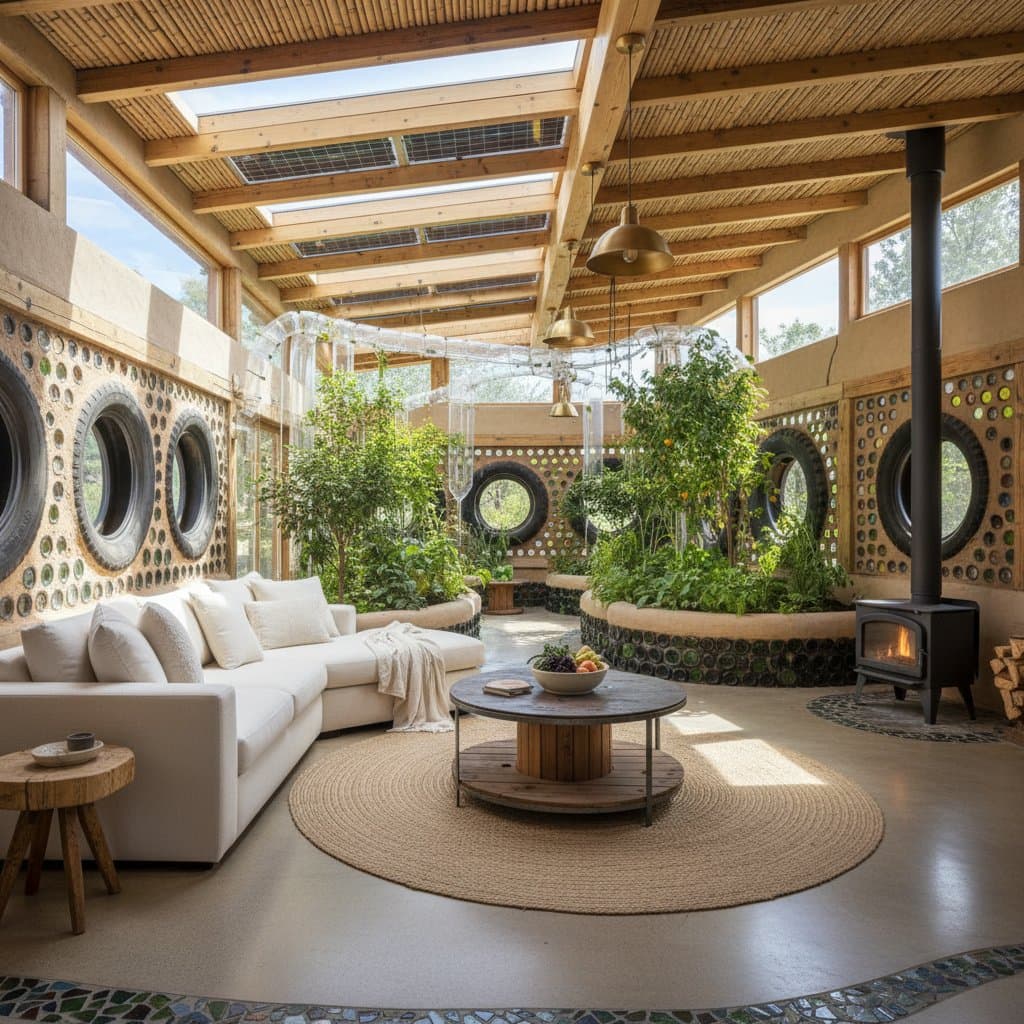
Picture entering a home constructed in part from discarded tires and glass bottles. The space radiates tranquility, ample light, and complete self-reliance. Residents face no energy bills, no reliance on municipal water supplies, and no concerns over escalating utility expenses. Homeowners increasingly embrace Earthships, a form of highly sustainable housing that transforms off-grid existence.
An Earthship extends beyond typical green architecture. This comprehensive system addresses most household requirements through natural and recycled resources. For individuals pursuing autonomy and environmental responsibility, Earthships provide a viable, established framework.
Understanding the Earthship Concept
Fundamentally, an Earthship functions as a passive solar dwelling assembled with natural and repurposed materials. The architecture leverages thermal mass for temperature control and renewable technologies for energy and water provision. Originating as a sustainable design initiative, the model has developed into a reliable guide for independent lifestyles.
Every Earthship adheres to six essential principles:
- Thermal and solar heating and cooling via earth-bermed walls and passive solar orientation.
- Solar and wind electricity to produce power.
- Water harvesting from precipitation and meltwater.
- Contained sewage treatment through indoor botanical filtration.
- Food production in attached greenhouses.
- Construction with recycled and natural materials.
This holistic strategy enables comfortable habitation independent of public services.
Step-by-Step: How an Earthship Works
Breaking down the components clarifies Earthship operations.
-
Structure and Materials: Walls consist of rammed earth compacted into used tires, arranged like masonry units. These provide substantial thermal mass to maintain consistent indoor temperatures throughout seasons. Interior partitions incorporate recycled bottles and cans for enhanced insulation and decorative patterns.
-
Heating and Cooling: The building aligns to maximize sunlight entry via large south-facing windows in northern hemispheres or north-facing in southern ones. Sunlight warms the earth walls by day, with heat radiating gradually at night. Ventilation channels and roof openings facilitate natural air circulation, often negating the need for powered climate control.
-
Power Generation: Photovoltaic panels serve as the primary source, supplemented by compact wind turbines in suitable locations. Batteries store surplus energy for evening and cloudy periods. Although backup generators appear in some setups, diligent usage allows full off-grid performance.
-
Water Management: Sloped roofs channel rainwater into underground cisterns holding thousands of gallons. Filtration purifies this for potable use, with subsequent recycling for non-drinking purposes. Greywater from fixtures passes through plant-based filters before flushing toilets, optimizing conservation.
-
Sewage Treatment: An enclosed system processes waste via root-zone filtration in planted cells and soil layers. This method avoids pollution while yielding modest volumes of enriched water for exterior irrigation.
-
Food Production: Integrated greenhouses utilize recycled greywater to cultivate edibles. These areas support year-round yields of herbs, leafy greens, and dwarf fruit varieties, supplementing household nutrition.
Practical Considerations for Homeowners
Constructing or acquiring an Earthship demands thorough preparation. The appeal proves strong, yet specific hurdles and duties arise.
Cost and Construction
Expenses fluctuate according to scale, site, and detailing. Basic owner-built units range from $150 to $200 per square foot, whereas contractor-led projects exceed $300 per square foot. Manual labor dominates, particularly in earth-packing phases.
Sourcing recycled items lowers material costs, though logistics may extend timelines. In isolated settings, shipping components like panels and tanks elevates budgets. Those with construction experience can reduce outlays by self-managing portions, but experts should oversee engineering, wiring, and piping.
Permits and Codes
Earthships frequently test standard regulations. Certain jurisdictions support innovative builds, others mandate detailed submissions and verifications. Engage local officials early to assess feasibility. An architect versed in off-grid designs aids compliance.
Climate and Site Selection
Optimal performance occurs in arid or mild zones with reliable sunlight. Humid or overcast environments complicate humidity control and efficiency. Choose lots with southern exposure, proper slope for drainage, and unobstructed solar paths to maximize effectiveness.
Maintenance and Lifestyle
Earthship residency involves ongoing oversight of water reserves, energy storage, and vegetation. These tasks integrate into daily routines over time. Individuals accustomed to passive systems might require adaptation.
Safety and Structural Concerns
Well-executed Earthships exhibit remarkable resilience. Tire-based walls withstand severe weather and seismic activity. Success hinges on precise techniques; inadequate compaction or sealing invites issues. Novices benefit from guidance by seasoned builders or instructional seminars.
The Real Value of Earthship Living
Earthships deliver more than cost reductions and ecological benefits. They foster assurance and self-determination, operating amid service interruptions or logistical breakdowns. This dependability often justifies upfront expenditures for residents.
Financial returns accumulate steadily. Absence of utility payments, coupled with negligible climate control costs, recoups investments in 10 to 20 years. Upkeep remains straightforward, with components engineered for extended service. Panels endure 25 years or longer, and walls persist indefinitely under care.
In resale, Earthships appeal to sustainability enthusiasts. Sales may proceed slower in traditional markets, but distinctive attributes secure premium pricing among aligned purchasers.
Steps to Launch Your Earthship Project
For committed off-grid aspirants, Earthships stand as premier self-reliant options. Initiate by reviewing regional rules and touring established installations. Direct observation reveals functionality, livability, and mechanics beyond images.
Define objectives next. Opt for incremental self-construction if embracing the process appeals, or select professional oversight for seamless delivery. Customize elements to local conditions and standards, guaranteeing a secure, performant, and inviting residence.
Earthships transcend prototypes. They embody a validated pathway to sustainable habitation, demonstrating that independence pairs seamlessly with elegance.