
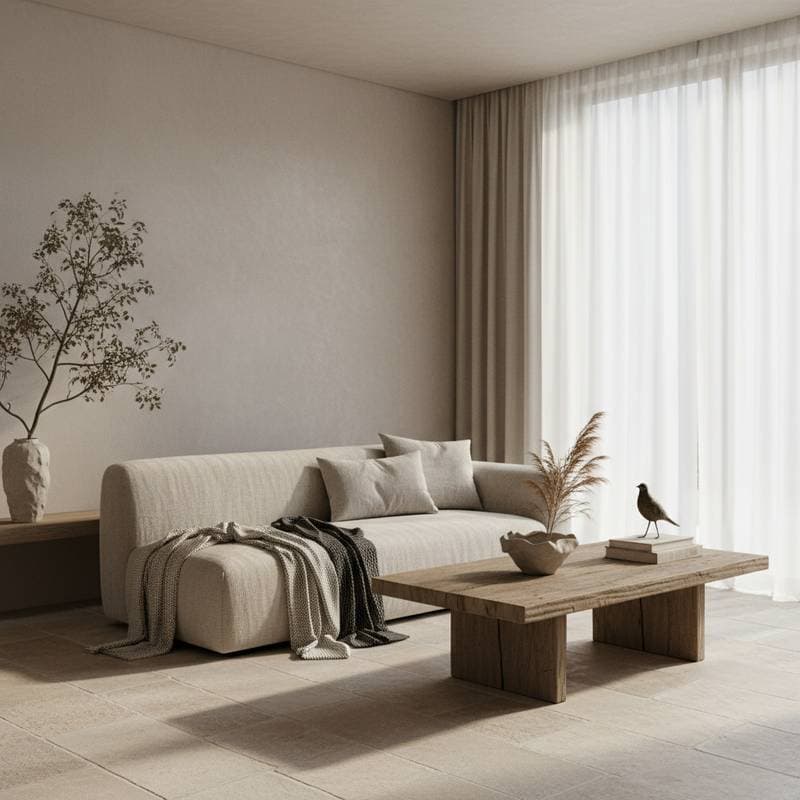
Wabi-Sabi: Imperfection Creates Timeless Interiors
Consider a home where every element aligns impeccably, yet the atmosphere lacks vitality. Furniture coordinates seamlessly, surfaces gleam without flaw, and arrangements follow precise symmetry, but the result feels sterile. Wabi-sabi design addresses this by honoring natural imperfections, gradual wear, and the organic essence that transforms a house into a welcoming sanctuary.
Seeing Beauty in the Everyday
Wabi-sabi originates from Japanese aesthetics, emphasizing transience, humility, and the allure of the unrefined. Practitioners value the passage of time evident in objects, such as the subtle asymmetry of a hand-thrown pottery piece or the softened edges of seasoned timber. These elements invite appreciation for authenticity over manufactured uniformity.
For those overwhelmed by the demand for trend-driven or immaculate spaces, wabi-sabi offers liberation. It encourages prioritization of sensory comfort and emotional resonance, allowing homes to evolve organically without the burden of constant upkeep.
The Heart of Wabi-Sabi Design
Wabi-sabi rests on three foundational principles: simplicity, natural materials, and imperfection. These guide selections in furnishings, layouts, and decorative choices to cultivate depth and serenity.
- Simplicity: Curate essentials that align with daily rhythms, eliminating excess to foster openness without sterility.
- Natural Materials: Select substances like oak, hemp, terracotta, and slate, which develop character through exposure and use.
- Imperfection: Embrace irregularities, such as irregular grain patterns in wood or faint discoloration in fabrics, as signatures of lived experience.
Beyond aesthetics, this philosophy nurtures a perspective that cherishes durability and releases attachment to superficial polish.
How to Bring Wabi-Sabi into Your Home
Incorporate wabi-sabi gradually without overhauling existing setups. Focus on incremental adjustments that enhance authenticity and tranquility.
1. Choose Meaning Over Matching
Select pieces tied to personal narratives rather than uniform collections. Integrate a artisan-crafted teacup from a market visit, a vintage bench bearing faint usage marks, or a woven mat acquired during travel. Such eclectic assemblies convey history and invite a sense of belonging.
2. Keep Your Palette Calm
Opt for subdued hues including creamy off-whites, softened taupes, muted sages, and warm umbers. These tones promote repose while highlighting material nuances. Introduce subtle depth through shadowed neutrals, maintaining an overall harmony.
3. Let Materials Age
Allow surfaces to acquire patina naturally. Permit dining tabletops to gather subtle rings from meals shared, or fabrics to mellow under sunlight. These evolutions affirm the space as a site of active life rather than preserved display.
4. Use Natural Light
Maximize diffused illumination by employing lightweight drapery and unobstructed windows. During evenings, layer ambient glow from incandescent sources or beeswax candles to sustain intimacy and fluidity.
5. Declutter Slowly
Assess possessions methodically, retaining those that fulfill functional roles or evoke joy. This process yields intentional sparsity, promoting mental clarity without enforced austerity.
Pros and Cons of the Wabi-Sabi Approach
Wabi-sabi offers distinct advantages alongside potential drawbacks, informing its suitability for various preferences.
Pros:
- Generates inviting, individualized atmospheres that evolve with inhabitants
- Minimizes frequent acquisitions by valuing longevity and reuse
- Promotes eco-conscious choices through enduring, earth-derived elements
- Simplifies upkeep by normalizing signs of engagement
Cons:
- Risks appearing haphazard without deliberate curation
- May seem understated to enthusiasts of bold or contemporary lines
- Challenges integration with sleek, high-gloss fixtures
Adaptation allows selective application, blending elements to suit specific rooms or tastes.
Practical Considerations
Implementing wabi-sabi involves evaluating resources, timelines, and involvement levels for realistic planning.
Cost:
Accessible across budgets, this style thrives on salvaged or crafted items from antique shops, artisan cooperatives, or upcycled sources. Basic updates might include distressing existing cabinetry, swapping polyester linens for organic weaves, or sourcing earthenware vessels. Premium executions could feature bespoke joinery or artisanal wall treatments, emphasizing investment in resilient components over disposable accents. Overall expenditures lean toward enduring quality rather than volume.
Time:
Evolution occurs progressively; initiate with targeted swaps and observe how elements mature. Natural aging processes, from wood oxidation to fabric softening, unfold over seasons, rewarding steady observation.
Effort:
Primarily demands discernment in curation and subtle interventions. Tasks like honing timber surfaces or applying organic plasters require moderate skill; enlist specialists for precision in heritage methods such as tadelakt or rattan weaving.
Permits or Professionals:
Structural modifications rarely apply, but cosmetic enhancements benefit from experts in natural finishes. Collaborate with decorators versed in breathable paints or stone masons to ensure cohesive, authentic results.
Living with Imperfection
Adopting this lens reshapes interactions with surroundings, viewing each imperfection as a layer of narrative. Selectivity sharpens, favoring timeless acquisitions over fleeting novelties. Balance unpolished textures with refined accents, such as a hewn bench draped in smooth wool or a polished stone atop rough-hewn shelving, to sustain visual equilibrium and tactile appeal.
Making It Happen
Begin in a single area by streamlining possessions, amplifying daylight, and introducing cherished, flawed objects. As adjustments accumulate, the environment gains poise and genuineness. This practice deepens appreciation for domestic rituals, aligning spaces with lived realities rather than curated facades.
Wabi-sabi affirms that enduring beauty arises from sincerity and ease, independent of flawlessness. By integrating imperfection, homes become sanctuaries of perpetual relevance and personal resonance.