
Understanding Liminal Spaces in Modern Architecture
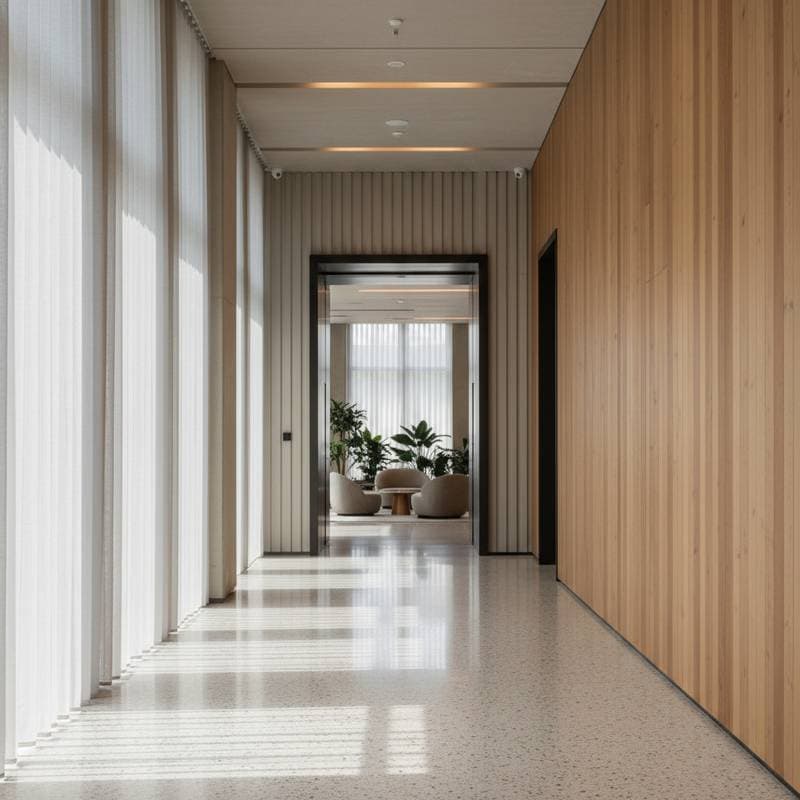
Consider a moment when you pause in a hallway or cross a threshold and sense a subtle change in mood. These areas, known as liminal spaces, represent the in-between zones that bridge distinct parts of a building. Architects increasingly recognize their potential to influence overall comfort, movement, and emotional response in residential and commercial designs.
Liminal spaces extend beyond mere utility. They serve as psychological transitions where individuals adjust from one activity or environment to another. In contemporary architecture, these zones receive deliberate attention to create harmony and intentionality.
The Limitations of Traditional Transitional Design
Historically, architects viewed corridors, entryways, and staircases as secondary elements focused solely on functionality. Such spaces often featured plain walls, harsh lighting, and minimal decoration, leading to feelings of isolation or unease. Buildings designed this way may appear efficient on blueprints but fail to resonate emotionally during daily use.
This oversight results in disjointed experiences. For instance, a stark hallway connecting a lively living room to a quiet study can disrupt the flow, making the entire home feel fragmented. Addressing these areas elevates the building's livability and aesthetic coherence.
Embracing Thresholds as Emotional Connectors
Modern liminal design reframes transitions as opportunities for enhancement. Architects now integrate elements that guide users gently from one space to the next, such as varying ceiling heights in foyers to evoke openness upon entry. A threshold between indoor and outdoor areas might incorporate glass panels to blur boundaries and invite natural light.
These designs prioritize sensory engagement. Materials like polished concrete in hallways provide a tactile shift from carpeted rooms, while curved walls soften the geometry of corridors. The result is a building that feels cohesive and responsive to human needs, without necessitating expansive renovations.
Budget considerations remain accessible. Simple adjustments, such as installing adjustable blinds or artwork, can achieve significant impact. Professional guidance ensures these elements align with the structure's overall style.
Practical Strategies for Enhancing Transitional Areas
Homeowners and renovators can incorporate liminal principles through targeted updates. Focus on elements that signal change and promote comfort. The following steps provide a framework for implementation.
-
Establish distinct boundaries. Introduce variations in floor materials, such as transitioning from hardwood to tile at doorways, to delineate zones. A lowered ceiling with recessed lighting in an entryway can further emphasize the shift, creating a welcoming focal point.
-
Incorporate softening features. Select wall coverings with subtle patterns or textures, like linen panels, to ease visual movement between rooms. Earthy color palettes, including warm grays or soft greens, help maintain continuity while adding warmth.
-
Optimize illumination layers. Blend daylight from clerestory windows with ambient sources like track lighting in corridors. Install sensors for automatic activation, ensuring pathways remain inviting without overwhelming brightness.
-
Position functional accents. Place a narrow console with storage in a hallway to encourage brief stops, or add built-in shelving near thresholds for displaying personal items. These additions transform empty expanses into purposeful extensions of adjacent spaces.
-
Integrate sensory nuances. Choose acoustic panels or area rugs to dampen sound in echo-prone areas, fostering tranquility. Introduce aromatic elements, such as essential oil diffusers in foyers, to subtly alter the atmosphere and mark transitions.
Budgeting and Implementation Essentials
Thoughtful liminal enhancements prove cost-effective for most projects. Basic updates, including paint and lighting, typically range from two hundred to five hundred dollars. More involved changes, like custom millwork for thresholds, may reach one thousand dollars but yield lasting value.
Planning involves practical steps. Consult local regulations for any electrical or structural modifications to avoid delays. Collaborate with contractors from the outset to embed these design priorities into the blueprint, preventing retrofits.
Timeline varies by scope. Cosmetic refinements complete in a single weekend, while reconfiguration of layouts demands two to four weeks. Prioritize high-traffic transitions first for immediate benefits.
Integrating Transitions for Everyday Harmony
Attuning to liminal spaces reveals their profound effect on routine interactions. They modulate energy levels, from energizing entries that greet arrivals to serene passages leading to restful retreats. Intentional design in these areas cultivates a living environment that supports well-being and fluidity.
Begin with accessible projects, such as revitalizing a primary entry or corridor. Observe how these changes influence movement and mood over time. Gradually, such refinements weave a narrative of balance throughout the building, enriching every passage.