
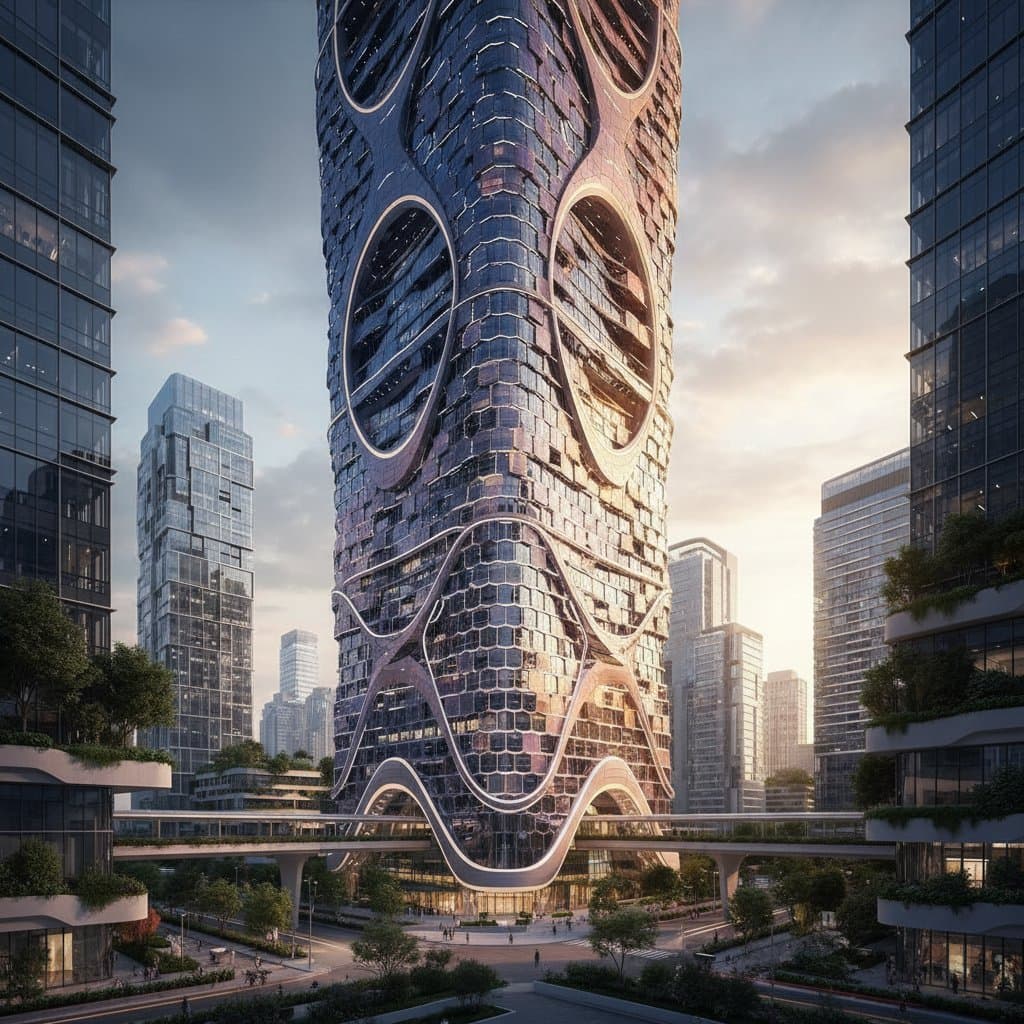
Parametric Facades Reshaping Architecture by 2026
Imagine walking past a building whose exterior appears to breathe with shifting light. Geometric panels glimmer as if alive, changing tone throughout the day to adapt to sun, shade, and movement. This vision represents the emerging reality of parametric facades, where architecture and computation merge to produce responsive, high-performance designs that redefine the built environment.
Buildings no longer serve as static backdrops. Architects craft exteriors that exceed basic protection from wind and rain. Parametric and algorithmic design reshapes how structures look, function, and interact with surroundings.
The Opportunity Behind Parametric Design
Parametric design employs data and algorithms to guide form creation. Designers establish parameters that define relationships between elements. A change in one value updates the entire form automatically, allowing extensive exploration of geometry, performance, and material behavior.
For facades, these tools unlock vast possibilities. Architects test numerous design variations digitally, adjusting panel sizes, patterns, or shading angles to optimize energy use, daylighting, and aesthetics. Tasks that previously required weeks of manual modeling now complete in minutes.
This method combines creativity with precision. Architects sculpt facades that respond to microclimates, urban contexts, and cultural identities. The result delivers beauty alongside measurable performance for clients.
How Computational Facades Are Changing the Game
Parametric facades extend beyond visual appeal. They shift buildings toward superior performance across multiple dimensions. Consider a tower with exterior fins that adjust automatically to reduce summer solar gain while permitting winter light to warm interiors. Or envision a cultural center where perforated panels cast shifting shadows across a plaza, echoing local craft traditions.
Computational design generates these facades. Algorithms analyze environmental data, including sun angles, wind patterns, and thermal loads. The output informs geometry, orientation, and material choices, creating structures in constant dialogue with their surroundings.
Several key transformations emerge:
-
Energy Efficiency
Parametric facades optimize shading devices to lower cooling loads. Panels tilt or rotate according to solar exposure, reducing energy costs while preserving daylight. -
Material Optimization
Algorithmic tools calculate efficient material layouts to minimize waste. This approach makes complex geometries more affordable and sustainable. -
Customization at Scale
Digital fabrication enables unique panels produced efficiently. Bespoke designs become accessible for mid-sized projects without prohibitive costs. -
Enhanced Aesthetics
Mathematical precision tunes geometric patterns for rhythmic repetition. Facades evoke organic and futuristic qualities, incorporating local motifs or natural abstractions.
The Process of Designing a Parametric Facade
Designing a parametric facade integrates technical skill with creative intent across distinct stages.
-
Defining Objectives
The team identifies facade goals, such as reducing glare, improving airflow, or highlighting cultural narratives. -
Setting Parameters
Designers convert goals into variables. Panel density, for instance, might vary with sun direction or pedestrian sightlines. -
Algorithmic Modeling
Tools like Grasshopper or Dynamo build responsive digital models. A single parameter adjustment generates instant design alternatives across the form. -
Performance Simulation
Software assesses versions for energy efficiency, daylight penetration, and structural stability. Data refines the design iteratively. -
Fabrication and Installation
The finalized model links to fabrication equipment. Laser cutters, robotic arms, or 3D printers deliver components with exact precision.
This workflow inverts traditional sequences. Performance and form develop concurrently rather than sequentially. The outcome yields expressive, intelligent architecture.
Practical Considerations for Architects and Developers
Parametric facades demand meticulous planning to realize their potential.
Cost and Budgeting:
Managed effectively, these systems prove cost-efficient. Specialized software and expertise mark the design phase, yet digital fabrication cuts waste and labor. Developers balance initial investments against savings in energy and maintenance.
Regulatory and Structural Factors:
Geometries must comply with codes and safety standards. Architects, engineers, and fabricators collaborate from the outset. This ensures panels, joints, and anchors integrate with the structural frame.
Material Selection:
Choices like perforated aluminum, high-performance glass, or composites affect appearance and durability. Corrosion-resistant metals suit humid climates; reflective coatings and ventilated cavities manage heat in arid areas.
Maintenance and Longevity:
Movable elements need regular checks. Modular systems facilitate replacements. Fixed shading screens provide visual impact with reduced upkeep.
Timeline and Expertise:
Computational design speeds modeling, but poor coordination extends fabrication and installation. Early involvement of digital fabricators prevents delays.
Local Adaptation and Cultural Expression
Parametric design transcends futuristic aesthetics through adaptability. A coastal facade might incorporate wave-inspired patterns; an arid one could replicate local stone textures. Algorithms embed regional identity into geometry.
These facades address local climates. Deep fins or perforations filter intense sunlight in bright regions. Parametric glazing captures daylight and minimizes heat loss in cooler areas. Buildings thus root in place while advancing innovation.
Collaborative Innovation Across Disciplines
Teamwork drives parametric facade success. Architects, engineers, lighting specialists, and fabricators share digital models. This process preserves design intent through construction and enables real-time experimentation.
Education evolves accordingly. Architecture curricula integrate computational design with classical methods. Emerging professionals master algorithms, complemented by veterans' contextual insights. Hybrid thinkers emerge, treating geometry as art and data.
Advancing Projects with Parametric Facades
Firms interested in parametric facades start with curiosity and strategic partnerships. Initiate pilot projects testing adaptive shading or patterned screens. Collect performance data, address fabrication issues, and iterate processes.
Developers and owners should select architects proficient in computation. Inquire about performance integration in workflows. Top teams deliver artistry with quantifiable results.
Sustainability mandates in cities amplify demand for intelligent facades. These designs lower costs and form landmarks that draw tenants, visitors, and investors. Parametric facades reimagine buildings as responsive mediators of light, temperature, and identity. From schools to offices, they enrich environments across scales.