
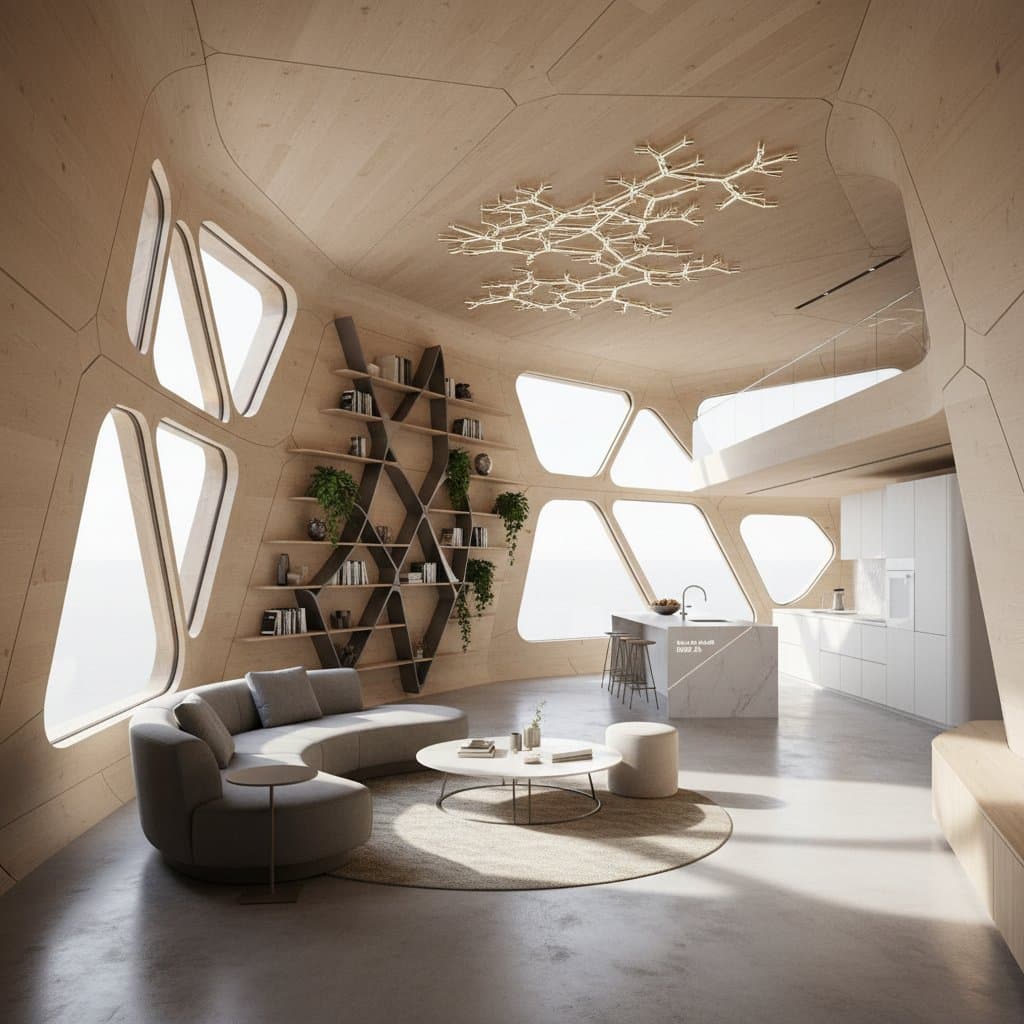
Parametric Design Brings Algorithms to Residential Living
Consider a home where every element aligns seamlessly with daily routines. Parametric design achieves this by integrating algorithms into architecture, allowing for precise modeling of spaces. Architects input variables such as family size, local climate, and usage patterns, then let computational tools generate and evaluate thousands of variations. This method surpasses traditional sketching by incorporating real-time data analysis, resulting in structures that enhance both functionality and aesthetics.
Homeowners benefit from environments that adapt to specific needs, from optimal kitchen layouts to energy-efficient layouts. As technology advances, parametric design shifts from experimental studios to standard residential projects, making sophisticated customization accessible.
Why Homeowners Are Paying Attention
Algorithms in home design address core challenges in construction and occupancy. They enable early identification of issues, such as poor natural lighting or inefficient energy flow, preventing costly revisions later. By simulating environmental interactions, designers optimize for long-term performance.
Key advantages include:
- Efficiency: Algorithms assess factors like solar gain and thermal insulation across multiple scenarios, ensuring the final design maximizes natural resources without excess energy consumption.
- Customization: Parameters can incorporate personal preferences, such as workspace integration for remote workers or play areas scaled to child ages, creating homes that evolve with life stages.
- Savings: Precise material calculations minimize overordering; for instance, optimizing wall angles reduces foundation needs, potentially cutting costs by 10 to 20 percent.
- Sustainability: Designs account for site-specific elements, like orienting facades to capture prevailing winds for passive cooling, thereby lowering carbon emissions and utility bills over time.
Despite these gains, implementation demands expertise in tools like Grasshopper or Rhino software. Initial setup requires collaboration between clients and tech-savvy architects, and iteration phases may extend timelines by weeks. Professionals who master this balance deliver homes that justify the investment through durability and comfort.
Real-World Examples for Everyday Homes
Parametric design applies to practical upgrades, not just avant-garde structures. In a suburban remodel, algorithms adjusted eave depths to filter summer sun while admitting winter light, reducing cooling needs by 15 percent without altering the home's classic profile.
Other applications demonstrate versatility:
- Sunlight control: Software models shadow patterns throughout the year, positioning skylights or clerestory windows to illuminate interiors evenly, avoiding glare in living areas.
- Ventilation: By analyzing wind roses from local weather data, designs incorporate strategic vents or louvers that promote cross-breezes, enhancing air quality in humid climates.
- Material efficiency: Algorithms generate cut lists for cladding or flooring, ensuring zero waste; for example, nesting timber panels saves up to 30 percent on lumber procurement.
- Outdoor spaces: Patios or decks conform to microclimates, with pergola slats angled to block afternoon heat while allowing morning views, fostering year-round usability.
These examples yield tangible improvements: reduced energy costs, enhanced well-being, and spaces that intuitively support routines. Homeowners report greater satisfaction, as the designs feel intuitive rather than imposed.
What to Ask Your Designer
Engaging an architect versed in parametric methods requires targeted inquiries to gauge fit. Start by evaluating their technical toolkit and track record.
Essential questions include:
- What software platforms do you employ for parametric modeling, and how do they integrate with building information modeling systems?
- Could you provide case studies where algorithmic optimization enhanced project outcomes, such as energy savings or spatial efficiency?
- In what ways do you simulate environmental factors like daylight penetration, thermal dynamics, or acoustic performance during the design phase?
- How will the process allow for iterative feedback, presenting visualized options at key milestones to align with my vision?
These discussions clarify expectations and reveal the designer's ability to blend innovation with practicality. Seek portfolios showcasing residential applications to ensure relevance.
Integrating Parametric Design into Your Project
Parametric design empowers homeowners to create residences that harmonize technology with personal narrative. It refines the building process, yielding spaces that perform exceptionally while reflecting individual priorities.
Select collaborators who prioritize clear communication alongside computational prowess. Through active participation, clients shape outcomes that deliver lasting value: resilient structures, minimized environmental impact, and environments that nurture daily life. This approach positions homes as intelligent extensions of their inhabitants.