
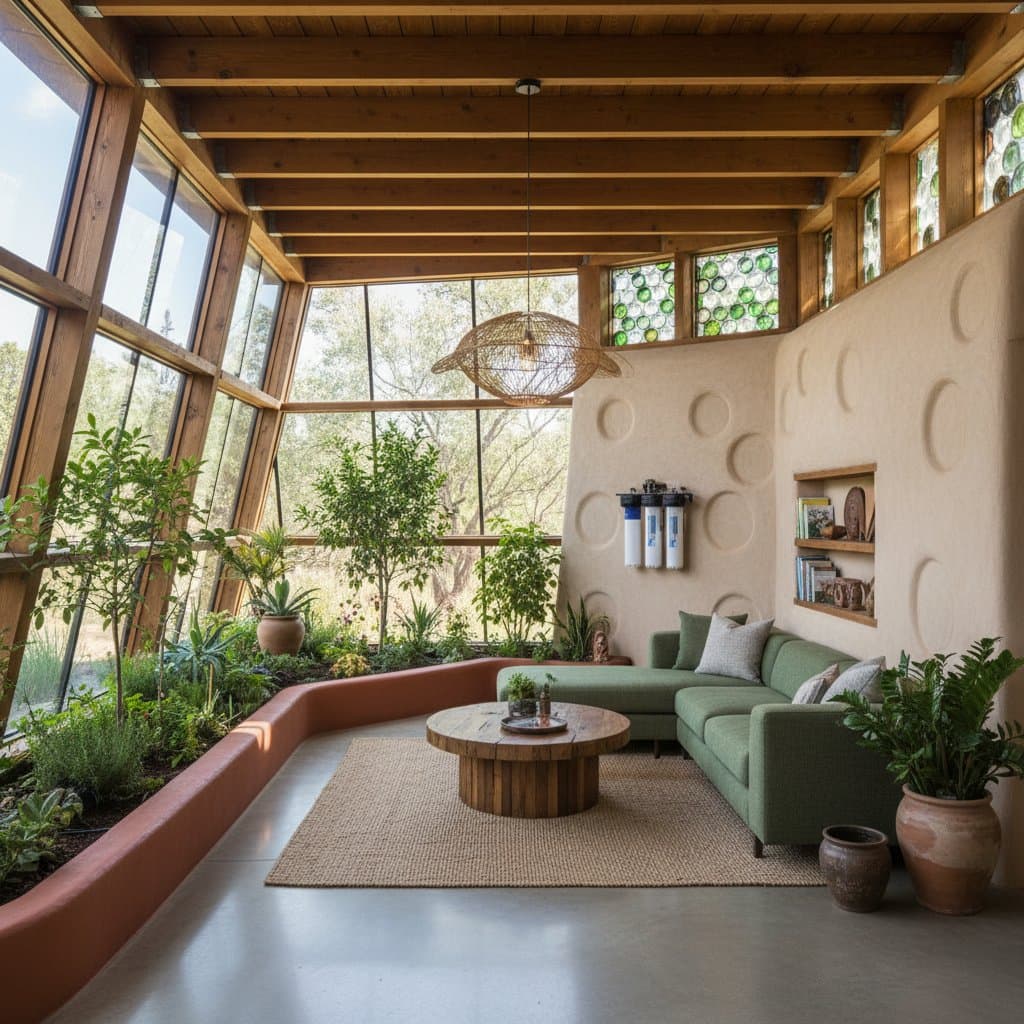
Understanding Earthships: Pioneers in Sustainable Architecture
Picture a residence that maintains its internal climate without mechanical systems, captures rainwater for all household needs, and even cultivates food within its walls. Such dwellings eliminate utility bills, sever ties to public grids, and minimize environmental footprint. Earthships represent this vision, featuring distinctive curved walls, robust earthen builds, and expansive south-facing glazing that sets them apart from conventional housing.
These structures address common concerns like escalating energy prices and the environmental toll of standard building practices. Earthships embody a resurgence in eco-conscious architecture, demonstrating how repurposed materials and intelligent design deliver comfort through efficiency rather than excess. This guide examines Earthship fundamentals, operational principles, construction processes, and suitability for prospective builders.
Motivations for Adopting Earthship Design
Individuals often investigate Earthships due to dissatisfaction with mounting utility expenses or a commitment to planetary conservation. The autonomy these homes provide also attracts those seeking resilience against infrastructure disruptions.
Key advantages include the following:
- Energy autonomy: Passive solar gain and thermal mass eliminate reliance on external heating or cooling.
- Reduced expenses: Integrated solar electricity, water harvesting, and thermal regulation slash ongoing costs.
- Resource repurposing: Used tires, glass bottles, and aluminum cans divert waste from landfills into durable components.
- Holistic sustainability: The blueprint fosters self-sufficiency and mindful resource use.
Challenges exist, such as the labor-intensive assembly of non-traditional elements and navigation of zoning restrictions. Nonetheless, builders frequently report that the long-term benefits outweigh initial hurdles.
Constructing an Earthship: A Detailed Process
Approach Earthship construction incrementally to build expertise. A complete home demands significant investment in time, funds, and manpower, yet starting with a compact module like a studio or greenhouse allows hands-on learning.
Step 1: Select Appropriate Site
Identify land with ample southern exposure for solar optimization, adequate drainage to prevent waterlogging, and room for cisterns. Rural zones typically offer greater regulatory leniency compared to urban settings.
Step 2: Verify Compliance with Codes
Consult local authorities early. Tire-based walls may require structural certification from an engineer, as they deviate from conventional framing.
Step 3: Plan the Floor Plan
Outline room configurations and functional zones. Earthships favor low-profile, U-shaped or linear forms that maximize solar access and internal circulation.
Step 4: Source Building Materials
Collect used tires (often 500 to 2000 per project), bottles, cans, and rammed earth. Scavenge from tire shops, recycling centers, or community drives; preparation involves cleaning and sorting, which extends over weeks.
Step 5: Erect the Structural Walls
Fill tires with compacted soil using a sledgehammer or pneumatic tamper for stability. Stagger placements like bricklaying, then apply earthen plaster or stucco for weatherproofing and aesthetics.
Step 6: Integrate Glazing and Roofing
Install triple-glazed windows along the solar-facing facade to capture heat. Design the roof with a slight pitch for runoff collection, using durable membranes like EPDM rubber to ensure longevity.
Step 7: Implement Utility Systems
Mount photovoltaic arrays with charge controllers and batteries for electricity. For water, install gutters, storage tanks (typically 5000 to 10000 gallons), and greywater filtration for reuse in landscaping or toilets.
Step 8: Complete Interior Finishes
Apply lime or clay plasters to walls, seal floors with beeswax-polished earth, and incorporate salvaged timber for built-ins. This minimizes purchased goods and enhances thermal performance.
Expect timelines of three to six months for part-time efforts or four to eight weeks with a dedicated team. Budgets range from $40,000 for basic setups to $150,000 for larger, refined versions, influenced by location and custom features.
Key Factors to Evaluate Prior to Construction
Delve into practical aspects to ensure feasibility.
- Regional Climate Suitability: Optimal in arid, high-sun areas; modifications like additional earth berms or insulated roofs adapt to temperate or humid conditions.
- Water Reliability: Harvesting depends on annual precipitation; supplement with efficient fixtures and monitor tank levels seasonally.
- Energy Oversight: Batteries last 10 to 15 years; track usage via inverters to avoid overloads during low-light periods.
- Expert Support: Engage licensed electricians for wiring and plumbers for sanitation to meet safety standards.
- Daily Routine Shifts: Embrace off-grid rhythms, such as conserving electricity for essentials and routine system checks.
Preparation is essential. Tour operational Earthships or join hands-on seminars to gauge real-life dynamics and refine your vision.
Advancing Toward Your Earthship
To pursue this path, assess local opportunities for passive solar and recycled builds by consulting specialized professionals. Workshops or site visits provide invaluable insights into material handling and system integration.
Committing to an Earthship yields not only financial and ecological gains but also a profound alignment with natural systems. This approach reimagines shelter as a harmonious extension of the environment, empowering builders to lead in sustainable innovation.