
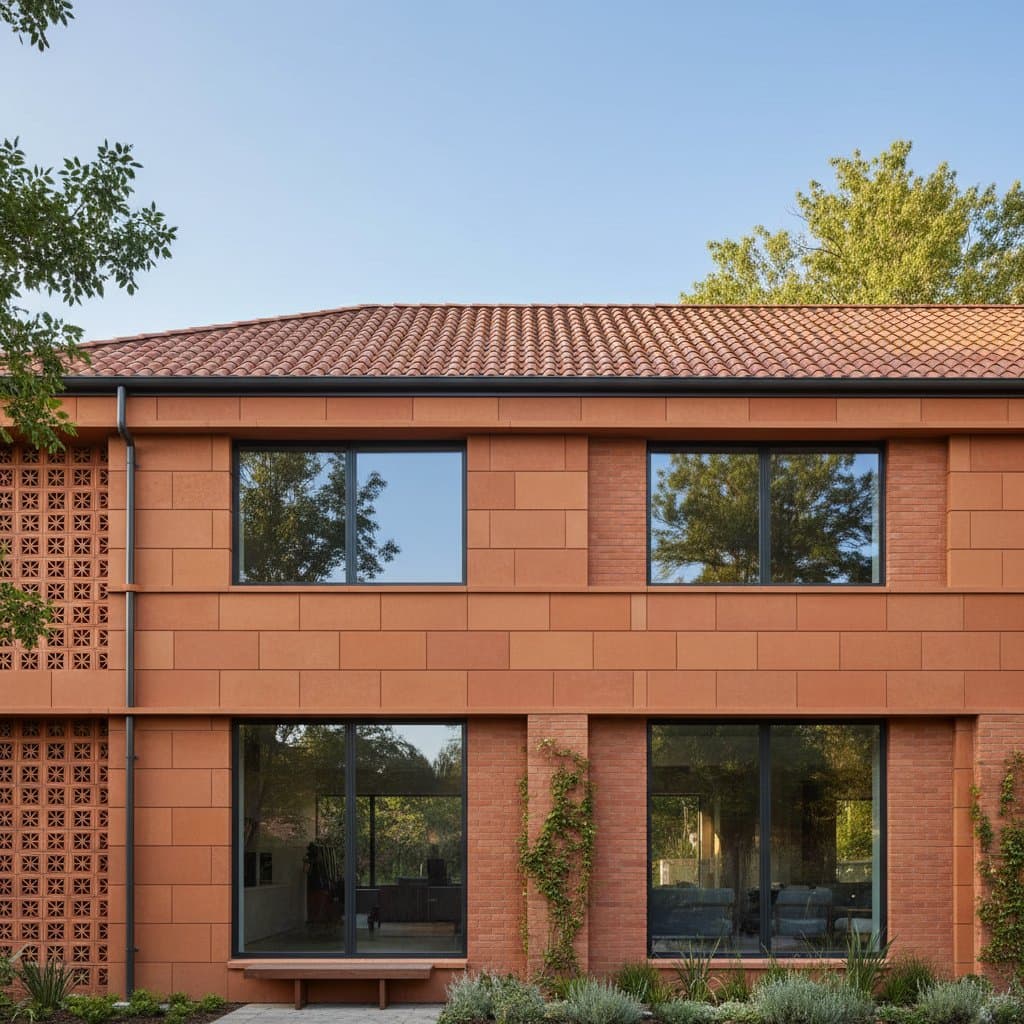
The Terracotta Revival: 2026's Defining Architectural Shift
Imagine strolling through an emerging residential district where structures glow in hues of rust, clay, and deep brown. The prevalent grays and whites yield to palettes that evoke soil and earth. This transformation signals a rising embrace of terracotta finishes, which infuse both contemporary and heritage designs with texture, vitality, and harmony with the environment.
This movement extends beyond mere coloration. It represents a deliberate pivot toward genuine materials that mature gracefully and integrate with surrounding landscapes. Once confined to aged roof tiles or sun-drenched Mediterranean estates, terracotta now reappears in streamlined facades, ornamental panels, and eco-conscious building frameworks.
Reasons Behind Terracotta's Resurgence
Architectural surfaces have long favored chilled palettes and fabricated elements. Contemporary residents seek residences that exude authenticity and permanence. Terracotta aligns seamlessly with these desires, derived from pure clay that undergoes firing to yield resilience and a spectrum of tones influenced by inherent minerals. The outcome yields a substance that retains an artisanal quality, even in cutting-edge implementations.
Architects value terracotta's adaptability. Finishes can range from rugged to polished, tailored to the project's vision. Glazed, sleek slabs enhance spare exteriors, whereas rough-hewn or unglazed variants introduce dimension and play of light. Inherent inconsistencies in tone and grain ensure each installation possesses unique character, lending structures a distinctive allure.
Performance Benefits in Contemporary Builds
Terracotta delivers more than visual charm; it provides reliable functional attributes.
- Endurance: High-temperature firing equips terracotta to withstand color loss, rust, and elemental exposure. Installations endure for generations with scant intervention.
- Temperature Control: The material captures solar warmth by day and dissipates it gradually, moderating internal climates without mechanical aid.
- Minimal Upkeep: In contrast to coated surfaces, terracotta requires no periodic coatings. A simple rinse with diluted soap suffices for routine care.
- Eco-Friendliness: Sourced from abundant clay and water, often nearby, terracotta production minimizes transport emissions. Producers frequently repurpose scraps and employ energy-efficient kilns.
Those pursuing green building practices find terracotta a viable substitute for polymer veneers or cement boards. It advances ecological priorities alongside classic aesthetic principles.
Optimal Applications for Terracotta
Terracotta transcends traditional roofing roles. Its flexibility permits integration throughout residential elements.
- Facade Coverings: Oversized terracotta slabs craft bold exteriors, offering layered coloration and tactility unmatched by smoothed plaster.
- Roof Coverings: Traditional tiles persist in sunny climates, where they deflect heat and maintain lower surface temperatures compared to bitumen alternatives.
- Indoor Surfaces: Tile formats introduce cozy ambiance to areas like cooking spaces, foyers, and light-filled enclosures.
- Accent Features: Screens, containers, and borders in terracotta unify interior and exterior realms, enhancing spatial flow.
Selection demands attention to regional conditions. Opt for freeze-thaw resistant variants in cold zones, verified for external durability. In moist environments, incorporate vapor barriers and runoff channels to avert water accumulation in assembly layers.
Budgeting and Fitting Considerations
Pricing for terracotta varies by processing, gauge, and placement.
- Roof Tiles: Installed rates fall between $8 and $15 per square foot.
- Wall Panels: Systems with fixtures range from $25 to $40 per square foot.
- Floor Tiles: Basic interior options cost $5 to $10 per square foot, prior to labor.
Assembly complexity differs. Roofing demands contractors versed in clay handling. Panel systems necessitate precision anchors and leveling gear, best left to specialists. Indoor tiling suits skilled self-installers, provided grout and alignment receive meticulous attention.
Account for ancillary expenses like substrates, seals, and trim. Due to its density, verify that substructures accommodate the weight. Consult municipal codes for load-bearing, ignition resistance, and compliance standards.
Pairing Terracotta with Complementary Elements
Designers seldom deploy terracotta in isolation. It harmonizes with select partners to amplify effect:
- Timber Accents: Varieties like cedar or oak amplify terracotta's organic palette.
- Satin-Finished Metal: Charcoal-toned steel introduces refined opposition in sleek schemes.
- Aggregate Finishes: Portland-based or lime renders provide tactile unity.
- Transparent Panels: Glazing offsets terracotta's solidity with illumination and openness.
Integration requires aligned edges and balanced scales. Allow terracotta's inherent qualities to shine, avoiding dominance over the ensemble.
Adapting Terracotta to Local Contexts and Aesthetics
Geography shapes terracotta's expression. Littoral settings favor pale clays and glossy treatments to counter glare and brine. Arid or elevated terrains select richer shades mirroring local strata. City planners embed terracotta into tower envelopes, softening metallic and crystalline compositions.
Terracotta accommodates diverse idioms. It bolsters heritage styles like Iberian Colonial yet invigorates sparse or factory-inspired motifs. This resurgence underscores its versatility, fitting rustic abodes or metropolitan penthouses with equal poise.
Ensuring Durability Through Care
Terracotta excels in simplicity of preservation. Periodic washing with soft cleansers restores vibrancy. Steer clear of forceful sprays that might abrade treatments. Review caulks and seams biennially to block ingress of liquids.
Expert placement guarantees multi-decade service. As exposure patinas the surface, tones intensify organically. This evolution enhances appeal, positioning terracotta as a prudent, perpetual asset.
Steps to Incorporate Terracotta
To integrate terracotta, formulate a targeted strategy. Pinpoint high-impact zones, such as entry elevations or crown lines, for maximum effect. Obtain prototypes from trusted vendors to assess shades under ambient conditions. Collaborate with professionals adept in load dynamics and assembly protocols.
Modest enhancements might involve boundary features, focal partitions, or threshold paving. Comprehensive overhauls can recast a property's essence entirely.
The terracotta revival transcends fleeting fashion. It embodies a return to forthright, resilient substances that resonate with the earth, promising lasting enrichment for living spaces.