
Earthship Homes: Off-Grid Life from Recycled Waste
Imagine standing in a home where the walls absorb the earth's thermal energy, the air maintains balance without mechanical intervention, and every drop of water undergoes reuse. Residents live completely off-grid, enveloped in quiet efficiency and natural beauty. This represents the core of an Earthship home, a structure assembled from recycled materials and engineered to coexist harmoniously with the planet.
A New Kind of Sustainable Living
Individuals often envision a residence that eliminates escalating utility expenses and dependence on urban infrastructure. Some seek the tranquility of desert landscapes or forested retreats, yet desire contemporary comforts without ecological repercussions. Earthship architecture delivers this equilibrium of autonomy and accountability. These dwellings operate independently of public utilities by producing their own electricity, managing water resources, and processing waste through biological methods.
The attraction stems from their straightforward design. Earthships utilize recycled components such as tires, glass bottles, and aluminum cans. These repurposed items form the foundation of a high-efficiency building that remains warm during winter and cool in summer. The approach proves not only innovative but also highly functional.
How Earthships Function
Self-sufficiency defines the Earthship concept. Interconnected systems create a closed-loop process that reduces waste and enhances livability.
-
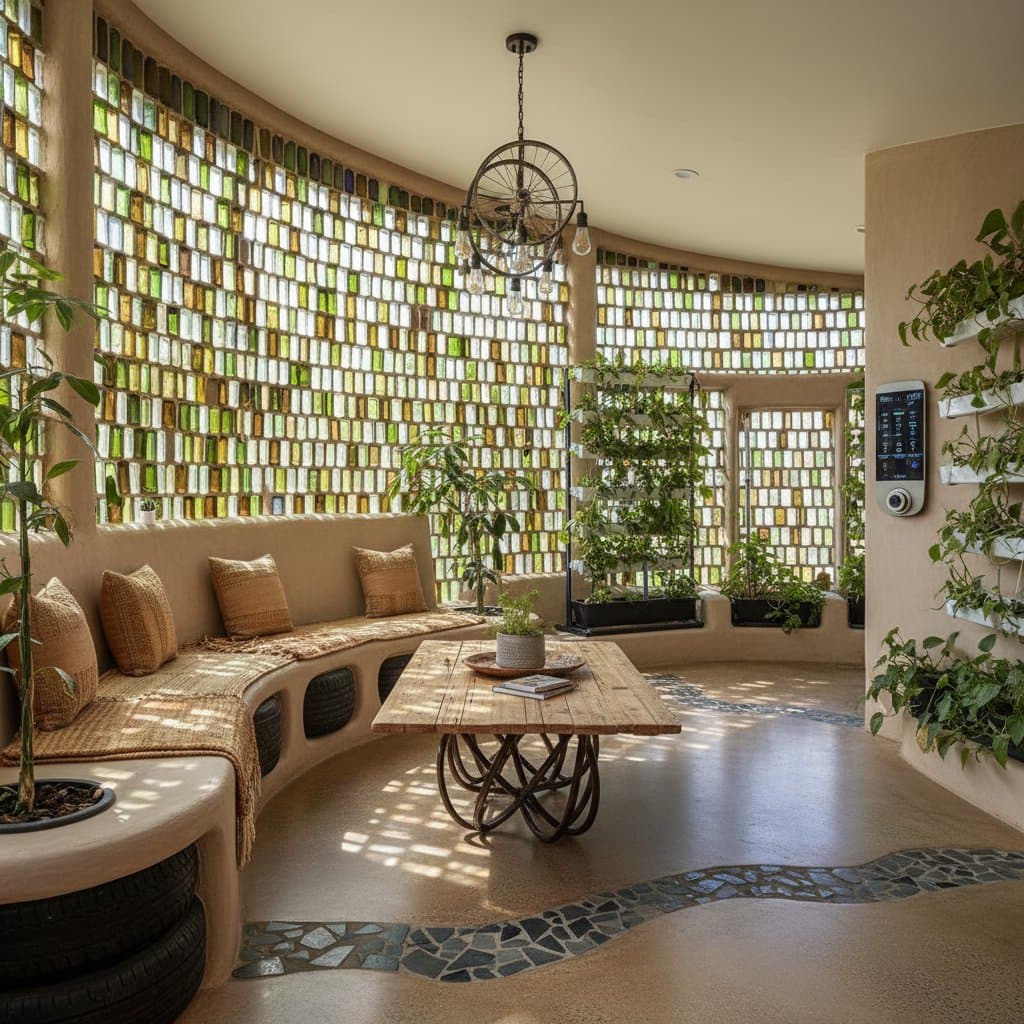
Thermal Mass and Passive Solar Design: Walls consist of earth packed into tires, which absorb heat by day and release it gradually at night. Expansive south-facing windows harness sunlight, while precisely angled roofs facilitate natural climate control.
-
Water Harvesting and Reuse: Rooftop collection captures rainwater and snowmelt, which then filters into underground cisterns. This supply supports potable uses, bathing, and irrigation of interior vegetation. Greywater from lavatories and showers fertilizes plants, whereas blackwater from sanitation facilities undergoes natural treatment prior to environmental reintegration.
-
Renewable Energy Generation: Photovoltaic panels, supplemented occasionally by compact wind turbines, generate electricity. Storage batteries ensure reliability during periods of low sunlight, maintaining operations without external support.
-
Interior Gardening Systems: Numerous Earthships incorporate verdant indoor planters that purify ambient air and yield fresh produce throughout the year. The overall effect evokes an inviting sanctuary rather than a fortified enclosure.
Construction with Recycled Materials
Earthship building transforms refuse into valuable assets. Tires, challenging to dispose of responsibly, serve as robust structural elements when filled with rammed earth. Glass bottles, stacked in decorative arrays, permit diffused, multicolored light to illuminate interiors. Aluminum cans contribute reinforcement and visual interest. Together, these features yield spaces that appear organic, artistic, and remarkably refined.
Local resources enhance the process. Mixtures of clay, sand, and straw produce textured interior finishes applied by hand. Employing recycled waste promotes environmental stewardship and fiscal prudence. Builders frequently acquire such materials at no cost or low expense, thereby lowering total project outlays.
Practical Considerations
Earthship habitation promises serenity, yet demands meticulous preparation. Construction techniques diverge from standard practices, and municipal regulations might not fully accommodate them. Prior to commencement, address these steps:
-
Verify Local Regulations: Certain jurisdictions mandate unique permits or evaluations. Collaborate with contractors versed in natural building techniques who navigate code requirements adeptly.
-
Design Utility Systems: Off-grid status notwithstanding, electrical installations must adhere to safety protocols. Plumbing configurations and filtration mechanisms require professional engineering.
-
Establish a Realistic Budget: Expenses vary based on scale, sourcing, and site. Allocate funds from modest amounts for compact self-build efforts to substantial sums for comprehensive professional constructions.
-
Adapt to Climate Conditions: Earthships excel in sun-drenched areas with ample solar potential. In frigid or humid environments, augment insulation and implement enhanced drainage solutions.
Safety remains paramount. Properly ram and secure tire walls to prevent instability. Ground electrical components thoroughly. Maintain water filtration and purification routines diligently. Expert consultation ensures both durability and ecological integrity.
The Emotional Benefits
Residing in an Earthship extends beyond mechanical efficiency. It fosters a profound connection to the landscape and fulfillment through self-dependence. Picture awakening to sunlight passing through intricate bottle-glass arrangements, cultivating air-cleansing plants, and relying on solar energy for daily needs. Each component fulfills a deliberate role, from recirculating water in verdant plots to retaining solar warmth within earthen barriers.
Autonomy brings empowerment. Vulnerability to blackouts or escalating water rates diminishes. Participation in a symbiotic ecosystem encourages deliberate living and innovation.
Steps to Build Your Earthship
Embarking on an Earthship project may seem daunting, yet resources abound. Engage builders specializing in sustainable or alternative construction in your region. Utilize platforms like Doric South to connect with qualified professionals at no initial cost; they comprehend the intricacies of off-grid designs. Articulate your objectives, explore architectural variants, and calibrate expenditures against desired outcomes.
Upon completion, the structure transcends mere housing to embody intentionality. Each integrated bottle and repurposed tire narrates renewal. The enclosure captures solar essence alongside the assurance that personal decisions contribute positively to the world.