
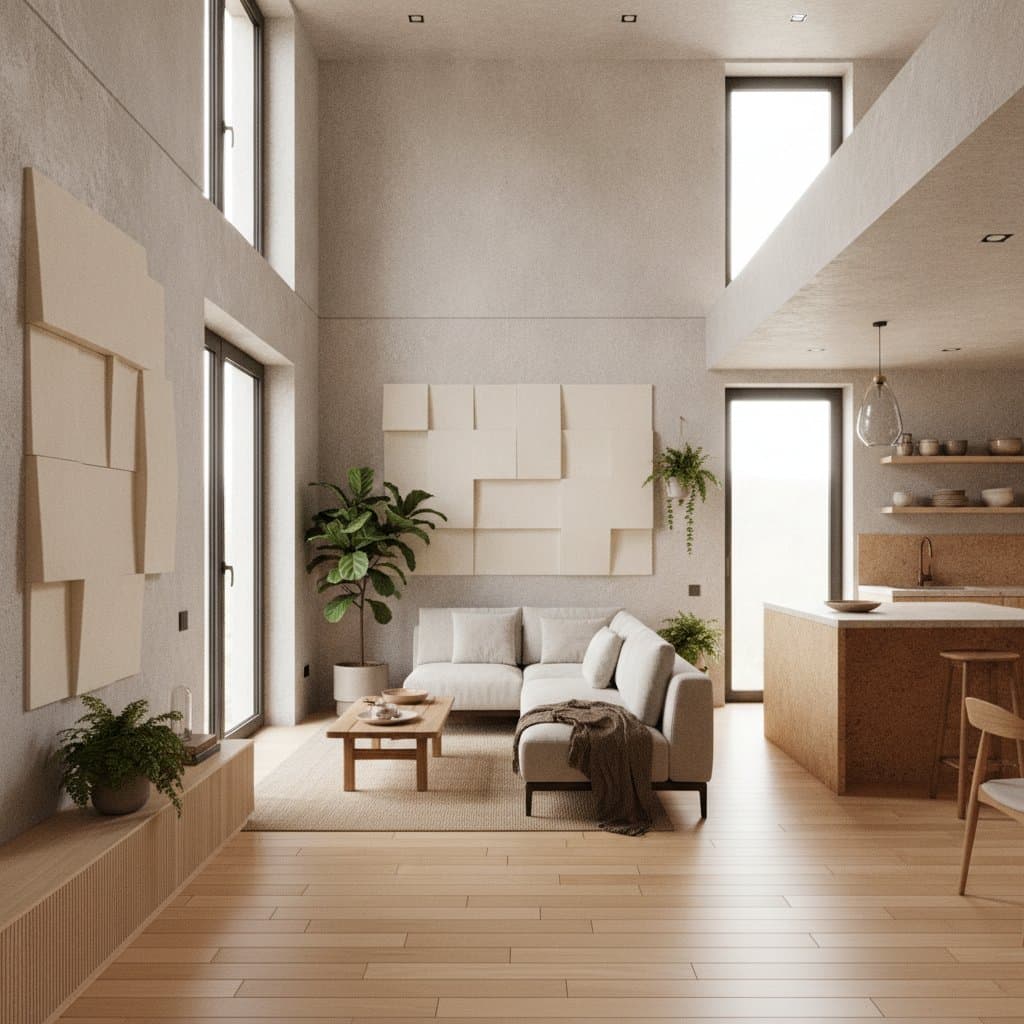
Organic Building Materials Gaining Ground in Architecture
Architects increasingly discuss hempcrete walls and mycelium panels. These options move beyond experimental status into practical use. Homeowners and builders seek materials that support health, reduce environmental impact, and deliver durability.
Traditional materials such as concrete, steel, and plastics carry high energy costs and environmental burdens. They can also release chemicals or trap moisture. Organic alternatives address these issues through better performance and renewability.
Defining Organic Materials in Building Projects
Organic materials originate from plants, fungi, or agricultural residues. They often allow renewal or composting at the end of use. Common choices include the following.
- Hempcrete formed from hemp fibers, lime, and water
- Mycelium composites grown from fungal root structures
- Bamboo applied in flooring, framing, and finishes
- Cork harvested from bark without tree removal
- Straw bale compressed for walls and insulation
- Wood fiber panels produced from recycled or fast-growing sources
Selection depends on matching material properties to specific project needs.
Performance Benefits That Drive Adoption
Energy costs and updated codes prompt reevaluation of long-term results. Organic materials frequently excel in key homeowner priorities.
Healthier indoor air results from low chemical emissions. Thermal performance in hempcrete or straw bale reduces heating and cooling demands. Moisture regulation occurs naturally in several bio-based options. Carbon storage supports environmental targets.
These advantages require familiarity with installation methods. Not every contractor holds experience with the full range of products.
Hempcrete Applications and Requirements
Hempcrete combines the woody core of hemp with lime and water. Installers pour or spray the mix into forms around structural frames.
Advantages include strong insulation, sound absorption, pest resistance, humidity regulation, and fire resistance. Drawbacks involve the need for separate structural framing, extended curing periods, and limited installer availability in some areas.
Installed costs range from 12 to 20 dollars per square foot. Thermal savings often bring overall expenses in line with mid-range custom construction.
Mycelium Composites for Interior Use
Mycelium grows into blocks, panels, or sheets within molds. Drying produces a lightweight, fire-resistant material suitable for insulation or acoustic treatments.
Advantages cover full renewability, natural fire resistance, solid acoustic and thermal qualities, and local production from agricultural waste. Drawbacks include early commercial status, moisture sensitivity without proper sealing, and limited structural test data.
Panel costs fall between 4 and 8 dollars per square foot. Local sourcing improves economics as production expands.
Bamboo and Additional Fast-Growing Materials
Bamboo undergoes processing into boards, veneers, and beams. Rapid growth supports consistent supply.
Advantages feature a high strength-to-weight ratio, quick regeneration, visual versatility, and suitability for multiple interior and structural roles. Drawbacks require treatment against pests and moisture, potential transport emissions for imported stock, and variable quality across suppliers.
Engineered bamboo flooring averages 6 to 12 dollars per square foot installed. Structural elements depend on regional availability and certification.
Code Compliance and Safety Practices
Local departments continue to develop classification methods for bio-based products. Structural applications must satisfy fire, moisture, and load criteria.
Confirm certified fire ratings before selection. Use protective equipment during any mixing or application steps. Engage engineers experienced with the material for load-bearing designs. Supplier documentation often streamlines permitting.
Cost Comparison and Long-Term Value
Initial expenses may exceed conventional systems by 10 to 15 percent for hempcrete walls. Energy reductions typically recover the difference within several years. Mycelium insulation competes with mineral wool on price when sourced nearby. Bamboo flooring matches or exceeds hardwood in durability at similar cost points. Maintenance needs decline due to mold resistance and humidity control.
Regional Availability Factors
Hemp cultivation growth improves local supply in many areas. Humid climates benefit from added protective coatings. Dry regions see strong results from straw bale and wood fiber options. Research local suppliers and experienced contractors before final decisions.
Integration During Renovations
Existing homes accept organic upgrades without full reconstruction. Replace insulation with hemp, wool, or mycelium panels. Install bamboo or cork flooring. Apply lime or clay plasters in place of synthetic coatings. Add mycelium or fiber acoustic panels to walls.
Planning Your Next Steps
Combine conventional framing with targeted bio-based products for reliable outcomes. Discuss sourcing, curing schedules, and code documentation with builders during early project stages. Focus on one material that aligns with immediate goals such as insulation performance or humidity management.