
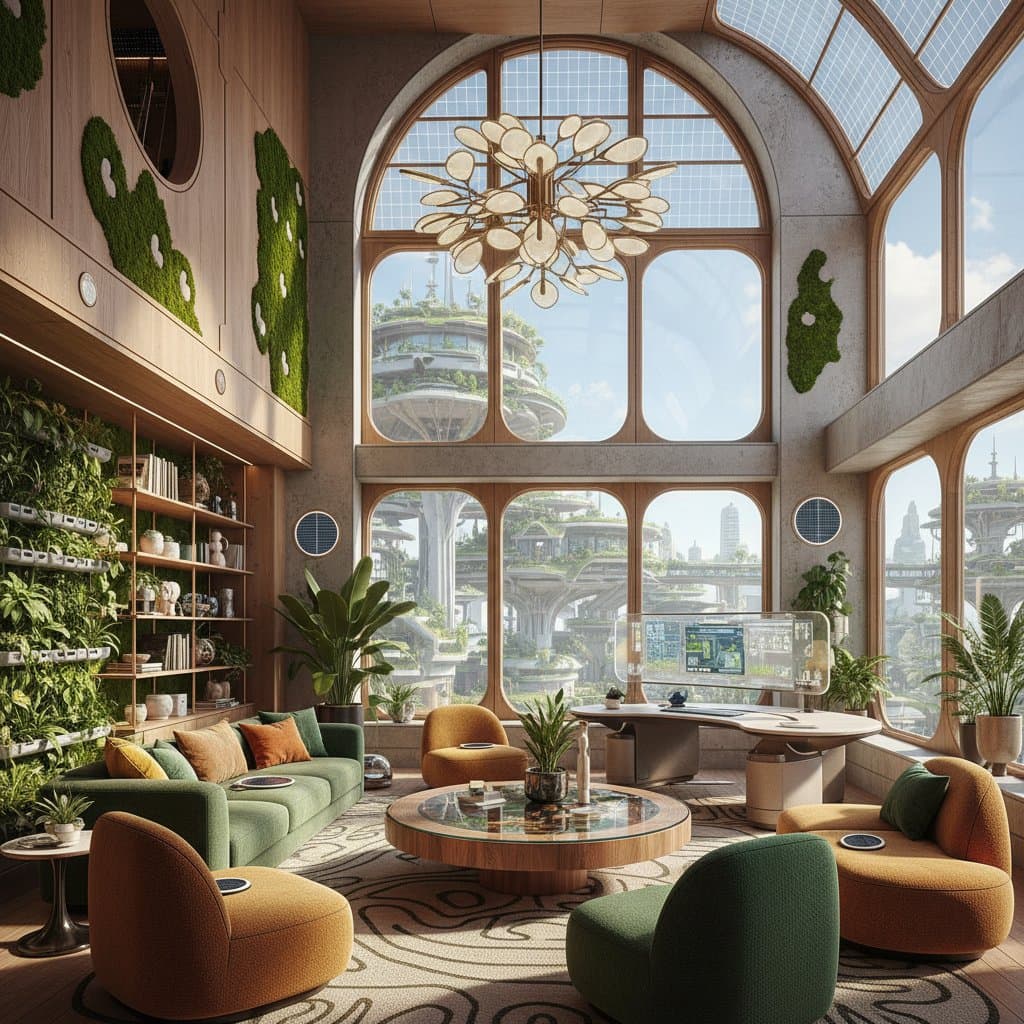
Introducing Solarpunk: A Vision for Sustainable Optimism
Conversations about sustainable living have evolved beyond simple reduction. A fresh design movement now highlights abundance, innovation, and collective effort alongside environmental stewardship. This movement, known as solarpunk, reshapes perspectives on residences, communities, and urban landscapes.
Consider a rooftop garden bursting with life, a vivid solar array, or an interior bathed in natural light amid greenery. Such scenes capture the essence of solarpunk, offering a preview of harmonious, forward-thinking habitats.
Defining Solarpunk as a Design and Social Framework
Solarpunk serves as both a design approach and a societal ideal. It envisions human existence in balance with the natural world, rather than conflict. Rather than cold, high-tech minimalism, solarpunk prioritizes fluid forms, renewable power, repurposed resources, and designs that foster community.
This philosophy merges ecological responsibility with positive outlook. It demonstrates that sustainable environments can inspire emotional warmth and fulfillment. Progress and nature, in this view, enhance one another seamlessly.
Key Principles Guiding Solarpunk Design
Solarpunk draws from straightforward, applicable tenets that suit homeowners, architects, and constructors alike.
-
Seamless Nature Integration
Elements like vertical gardens, rooftop conservatories, and interior foliage play vital roles. These features enhance air purity, stabilize temperatures, and boost occupant health. -
Renewable Energy Foundations
Installations such as photovoltaic arrays, compact wind generators, and passive solar heating dominate solarpunk structures. They diminish fossil fuel reliance and cut ongoing energy expenses. -
Reclaimed and Regional Materials
Projects favor salvaged timber, recycled glass, or nearby stone over distant imports. This strategy minimizes emissions and bolsters regional economies. -
Purposeful Maximalism
Far from sparse minimalism, solarpunk revels in vibrant hues, varied textures, and stacked natural elements. The result appears rich and dynamic, showing sustainability need not lack vitality. -
Fostering Community Ties
Communal plots, cooperative residences, and group energy grids embody solarpunk's relational focus. Collaboration trumps solitude, and pooled assets surpass solitary consumption.
Applying Solarpunk Principles to Residential Interiors
Bringing solarpunk into personal spaces requires no complete overhaul. Incremental adjustments aligned with its core ideas yield noticeable results.
Enhancing Natural Illumination and Circulation
Amplify sunlight through mirrors and pale wall finishes. Opt for sheer curtains over dense ones. Install photovoltaic-operated shades or roof windows to lessen electric light needs. Effective illumination strategies can slash annual energy outlays by hundreds of dollars, while elevating ambiance and ease.
Selecting Impactful Materials
Seek furnishings crafted from bamboo, cork, or salvaged lumber. Select low- or no-VOC paints. For surfaces, consider natural linoleum, upcycled tiles, or ethically harvested wood. Prices fluctuate by location, typically ranging from ten to fifteen dollars per square foot for these options.
Incorporating Functional Greenery
Position plants as integral components. A wall-mounted herb array by the cooking area or a moss panel in the lounge doubles as ornament and utility. Varieties such as pothos, peace lilies, and ferns cleanse air and flourish indoors with basic attention.
Integrating Supportive Technologies
Photovoltaic systems anchor solarpunk efforts. Standard home setups range from twelve thousand to twenty thousand dollars, potentially halving electricity expenses. Battery storage, intelligent climate controls, and wastewater reuse amplify performance.
Earth-Toned Textures and Palettes
Solarpunk rooms pulse with vitality. Employ earthy terracotta, lush greens, and gentle beiges. Pair metals with weaves like rattan or pottery. The aim centers on evoking natural bonds over sci-fi aesthetics.
Evaluating Expenses and Long-Term Benefits
Adopting solarpunk elements spans modest tweaks to extensive overhauls. Consider these cost tiers.
-
Basic Enhancements
Incorporating flora, repurposed items, or better light entry costs several hundred dollars. Such modifications offer aesthetic and symbolic gains. -
Moderate Overhauls
Fitting efficient glazing, better insulation, and automated systems runs five to fifteen thousand dollars. These yield sustained savings and heightened livability. -
Comprehensive Transformations
Adding power generation, vegetated roofs, or advanced water management surpasses twenty thousand dollars. Permits and expert labor prove essential, yet returns via efficiency and resale value impress.
Investments often recoup in seven to ten years via reduced bills and elevated home worth. Incentives like rebates or credits accelerate payback in qualifying areas.
Addressing Safety and Feasibility
Prior to significant solarpunk projects, review municipal regulations and obtain necessary approvals. Power setups, plumbing, and alterations demand adherence to codes. Engage certified experts for wiring or piping tasks.
For elevated gardens or sod roofs, secure an engineer's evaluation. Added mass from earth and moisture requires structural verification. Assessments cost five hundred to one thousand dollars, a modest safeguard.
Interior botanicals require upkeep. Provide proper runoff and airflow to avoid dampness issues. Automated watering aids maintenance for many residents.
The Appeal of Solarpunk for Modern Residents
Solarpunk attracts those seeking ecological harmony without sacrificing flair or ease. It dismisses austerity in green design, encouraging individuality via organic patterns, bold shades, and artisanal touches.
Adaptability suits diverse locales. Humid zones stress airflow and cover; dry regions emphasize heat retention and conservation. This flexibility ensures broad applicability.
Fundamentally, solarpunk reexamines human-tech-nature dynamics. It promotes plenty minus excess and allure minus detriment.
Steps to Infuse Solarpunk into Your Space
To initiate solarpunk integration, pinpoint personal priorities: reduced costs, purer air, or organic surroundings. Establish feasible finances and schedules.
Follow these actions:
- Examine your residence's power consumption to spot key waste areas.
- Implement a single eco-upgrade, like solar lamps or efficient taps.
- Introduce vegetation and raw materials to key rooms.
- Identify regional specialists in sustainable construction.
- Participate in local initiatives, such as joint plots or energy collectives.
Incremental shifts generate progress. Gradually, your environment aligns with solarpunk ideals, suiting your means and routine.
Experiencing the Rewards of Solarpunk Living
Solarpunk transcends mere aesthetics; it reshapes daily sensations. Spaces rich in daylight, textured salvages, and verdant life convey stability and promise.
This path enhances personal well-being while advancing wider ecological shifts. It positions sustainability as an enriching opportunity for refined existence.