
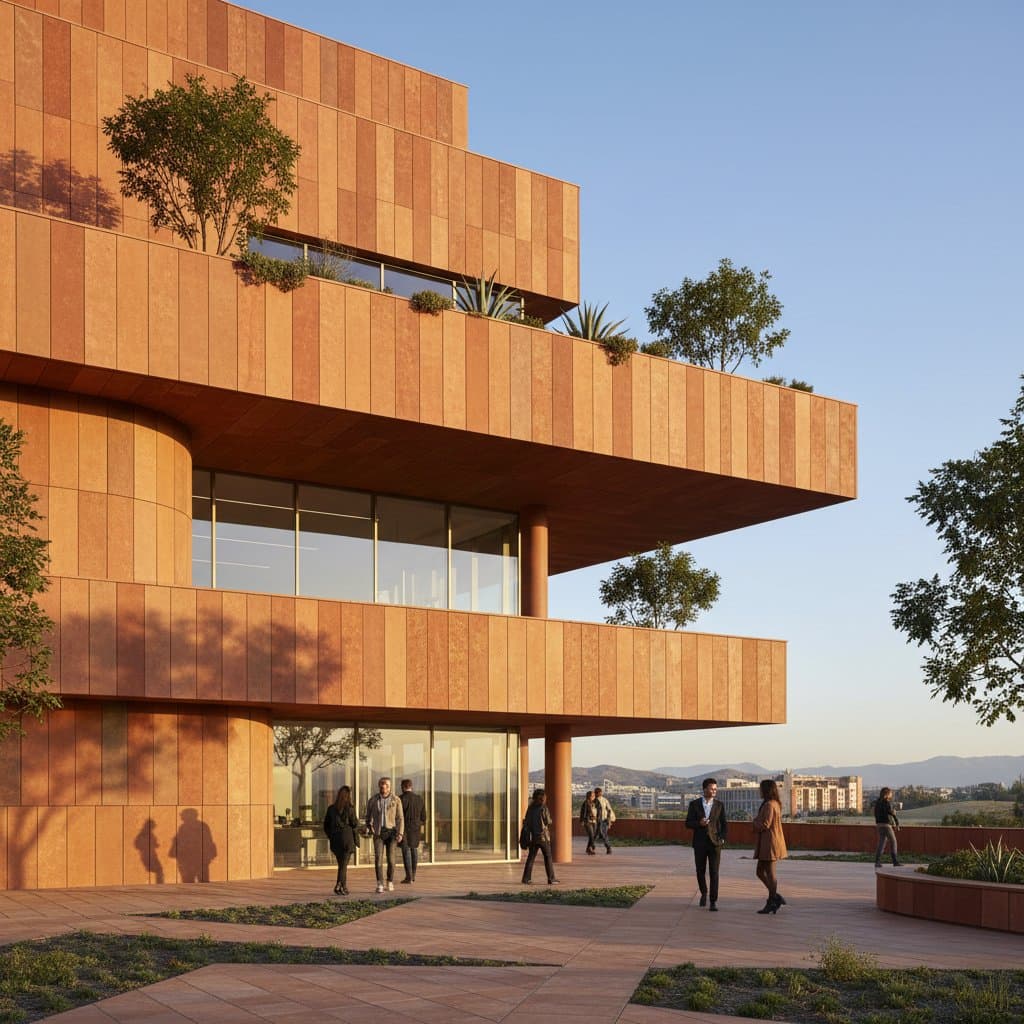
Why Terracotta Revives Earthy Architecture in 2026
Homeowners, designers, and architects observe warm clay tones reappearing in residences, cafés, and public venues. These elements appear in sunlit brick walls or handmade-feeling tiles. Terracotta returns to contemporary architecture for its inherent natural beauty and practical benefits, which have endured through time.
Individuals planning remodels, new constructions, or minor design refreshes find terracotta adds warmth and texture seamlessly. This material adapts to both rustic and modern aesthetics based on application. The following sections explore the reasons for its resurgence and practical ways to incorporate it into personal or professional projects.
Integrating Terracotta into Modern Design
Terracotta appears traditional yet aligns seamlessly with current architectural trends. Its sustainability, durability, and adaptability make it suitable for façades, flooring, planters, and decorative panels. Proper sealing ensures straightforward maintenance.
Several key attributes position terracotta for modern applications:
- Natural Insulation Properties: Terracotta regulates indoor temperatures effectively. It maintains cooler interiors during hot periods and retains warmth in cooler conditions, which reduces energy consumption and enhances occupant comfort.
- Environmental Sustainability: Derived from natural clay, terracotta produces minimal environmental impact relative to synthetic alternatives. The material supports recycling or natural decomposition without residue.
- Enduring Aesthetic Appeal: Terracotta develops patina over time, unlike certain modern substances that deteriorate visually. Subtle color shifts and weathering enhance its attractiveness.
- Design Versatility: Manufacturers shape terracotta into tiles, bricks, panels, or custom forms. Options include glazed or matte finishes, along with smooth or textured surfaces.
Contemporary projects often feature terracotta in innovative ways, such as perforated screens for privacy or curved elements in sculptural installations. These applications highlight its flexibility while preserving earthy origins.
Incorporating Terracotta: A Step-by-Step Guide
Significant renovations prove unnecessary to introduce terracotta. Targeted updates yield substantial improvements in ambiance and functionality.
Select the Application Style
Determine if terracotta serves as a primary element or subtle accent. Full walls or floors deliver bold visual impact. Planters or border tiles introduce warmth without overwhelming the design.
Consider scale: In small rooms, accents prevent visual heaviness; in larger areas, expansive use fosters cohesion.
Choose the Appropriate Finish
Terracotta options include glazed and unglazed varieties. Glazed surfaces facilitate cleaning and resist stains, making them suitable for high-traffic zones like kitchens and bathrooms. Unglazed versions offer organic authenticity but require sealing against moisture.
Evaluate exposure: Outdoor applications benefit from weather-resistant glazes, while indoor uses allow for matte textures that emphasize tactile qualities.
Coordinate Color and Texture
Terracotta exhibits natural variations across batches due to clay sourcing. Order 10 to 15 percent extra material to accommodate blending. Arrange pieces in a dry layout prior to installation to assess color harmony and texture flow.
Pair warmer reds with neutrals for vibrancy or cooler earth tones with whites for subtlety. This planning ensures a unified appearance.
Prepare the Installation Surface
Ensure surfaces remain level and free of debris. For wall applications, apply adhesive formulated for ceramic products with strong bonding capabilities. Floor installations involve setting tiles in thin-set mortar, maintaining uniform grout lines for even spacing.
Professional assessment proves valuable for uneven substrates; leveling compounds address minor imperfections before proceeding.
Apply Sealant and Establish Maintenance
Allow installations to cure completely, typically 24 to 48 hours, before sealing. Select a penetrating sealer compatible with terracotta to repel water while preserving breathability. Reapply sealant every two to three years based on usage and exposure.
Routine cleaning involves mild soap solutions and soft cloths. Avoid abrasive tools that could dull the surface.
Understanding Costs and Value
Terracotta expenses vary by form, finish, and scale. Roof tiles and façade panels command higher prices than decorative accents or standard tiles. Expect the following ranges:
- Floor Tiles: $5 to $15 per square foot, excluding labor; durable options justify mid-range investments.
- Roof Tiles: $10 to $25 per square foot initially, with lifespans exceeding 50 years reducing long-term costs.
- Cladding Panels: $20 to $50 per square foot, common in upscale residential or commercial settings.
- Accent Pieces: $2 to $8 per unit, ideal for budget-conscious DIY projects.
Installation labor fluctuates by location and complexity, often 20 to 30 percent above material costs due to specialized skills. Terracotta delivers superior return through longevity and aesthetic enhancement, minimizing replacement needs.
Budget for professional consultation in intricate designs; this step prevents costly errors and ensures optimal performance.
Pairing Terracotta with Complementary Materials
Terracotta enhances designs when combined thoughtfully with other substances. Balance prevents dominance while amplifying strengths.
- Pairing with Wood: This combination evokes rustic warmth, ideal for outdoor patios or interior kitchens. Select reclaimed wood to echo terracotta's natural imperfections.
- Pairing with Concrete: Terracotta introduces color and softness to concrete's stark minimalism. Use in accents like backsplashes to soften industrial edges.
- Pairing with Metal: Industrial or modern exteriors benefit from terracotta's warmth against metal's cool tones. Corten steel pairings create striking contrasts in urban landscapes.
Maintain cohesion by limiting the palette to three elements and repeating motifs, such as linear textures across materials. This approach builds depth without chaos.
Maintaining Terracotta for Longevity
Terracotta requires minimal upkeep when routines follow best practices.
- Remove surface debris weekly through sweeping or vacuuming to prevent abrasive scratches.
- Clean with diluted mild soap and lukewarm water; rinse thoroughly to avoid residue buildup.
- Test sealant integrity annually by applying water drops; rapid absorption indicates reapplication needs.
- For exterior features, examine for seasonal damage post-winter or heavy rains; patch minor cracks promptly with compatible fillers.
These measures preserve terracotta's integrity, allowing it to age gracefully with a desirable patina.
Experiencing the Benefits of Earthy Integration
Incorporating terracotta transcends aesthetics; it influences spatial perception profoundly. Environments rich in natural materials promote serenity and equilibrium. The inherent color and texture variations provide engaging focal points that enrich daily experiences without excess.
Designers note that terracotta fosters connections to nature, enhancing well-being in both residential and commercial contexts. Its resurgence in 2026 underscores a broader shift toward sustainable, soulful architecture.