
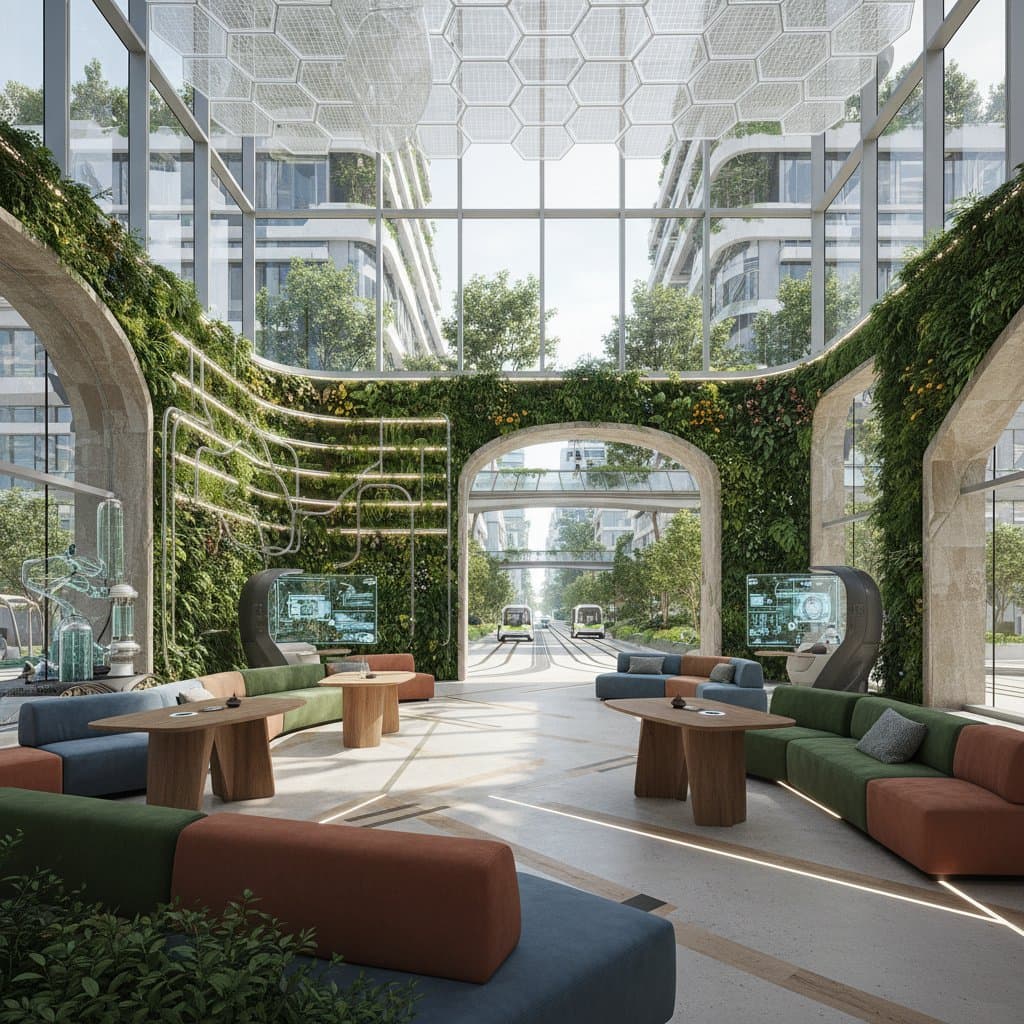
Solarpunk's Green Utopias: Designing Tomorrow's Cities
Envision strolling through a neighborhood where rooftops cultivate fresh herbs, walls harness sunlight, and streets pulse with vibrant colors and social interactions. The air remains fresh and unpolluted. Structures appear both innovative and comforting. This scene represents the solarpunk vision, and increasing numbers of designers work to realize it in practice.
Solarpunk extends beyond an artistic genre or digital community; it serves as a pragmatic framework for harmonious living with the environment. Rather than emphasizing sacrifices, solarpunk prioritizes collective creation. It merges advanced technology with natural elements to enhance everyday sustainability and aesthetic appeal.
Bringing this vision to actual structures, residences, and districts requires inventive yet feasible design choices.
Why Solarpunk Matters for Urban Futures
Urban dwellers often express frustration with energy inefficiency and spatial mismanagement in contemporary cities. Skyscrapers of glass redirect heat onto pavements. Air conditioning units operate continuously. Asphalt parking expanses displace vegetation. Solarpunk design addresses these issues by redefining urban possibilities.
Consider it a connection between environmentally conscious architecture and communal lifestyles. The focus transcends individual convenience to encompass collective health. A solarpunk district could feature communal gardens, distributed battery systems, and closed-loop water management. Although these elements exist independently, solarpunk unifies them through visual harmony and social cohesion.
For typical residents, this method yields reduced utility costs, improved air quality, and deeper environmental bonds.
Core Elements of Solarpunk Architecture
Professionals in architecture and design adhering to solarpunk tenets emphasize three foundational aspects: energy, materials, and community.
Energy Efficiency and On-Site Production
Solarpunk structures strive to generate surplus energy beyond their usage. Options include photovoltaic roofing, compact wind turbines, or ground-source heat systems. Localization proves essential; producing power near consumption sites minimizes transmission losses.
Passive strategies further optimize performance. Insulated walls, strategic overhangs, and vegetated roofs regulate internal climates without mechanical intervention. Automated sensors fine-tune illumination and ventilation to eliminate excess consumption.
Regenerative Materials
Solarpunk edifices often convey vitality through integrated biology. Green roofs, stormwater harvesting units, and vegetated exteriors perform vital roles. They filter airborne contaminants, dampen urban noise, and support biodiversity by drawing in pollinators. Internally, options such as earthen plasters or bamboo surfaces stabilize moisture levels and thermal conditions.
The cradle-to-cradle philosophy aligns seamlessly. Materials must support reuse, recycling, or biodegradation upon obsolescence. Such practices diminish debris from construction and prevent hazardous accumulation in waste sites.
Fostering Community Connections
In contrast to isolated tower blocks where interactions prove rare, solarpunk initiatives incorporate communal areas like enclosed patios, collaborative workspaces, and allotment gardens. These features promote resident engagement, cultivating mutual reliance and durability. Certain groups even pool resources for energy grids, equipment libraries, or crop cultivation.
Human-centered planning simplifies upkeep. Collective ownership ensures ongoing maintenance and security.
Solarpunk as a Cultural Evolution
Although some view solarpunk merely as a fleeting aesthetic, it signals profound societal change. Individuals seek environments that inspire optimism rather than transience. Vivid, organic palettes replace monotonous urban grays, paired with purposeful collaboration.
Professionals in architecture, construction, and homeownership increasingly regard sustainability as an inventive avenue, not a limitation. Solarpunk aesthetics render this potential tangible. It affirms that urban areas can balance technological advancement with human warmth, achieving cleanliness alongside dynamism.
Observe these influences in civic facilities, residential complexes, and consumer goods. Photovoltaic glazing, interior greenhouses, and upcycled furnishings gain prevalence. They herald an expansive shift ahead.
Practical Solarpunk Practices
Significant overhauls prove unnecessary; adopt solarpunk principles via straightforward routines.
- Opt for reusable totes and vessels to minimize plastic use.
- Process organic waste through composting to lessen domestic refuse.
- Select pre-owned items for furnishings or structural components.
- Introduce houseplants to purify indoor atmospheres organically.
- Choose utility providers committed to renewable sources when options exist locally.
These steps appear modest yet cultivate the perspective fueling systemic progress. Solarpunk originates in mindset prior to physical form.
Steps to Implement Solarpunk Today
Solarpunk design transcends imagination; it charts a course to livable, nurturing structures and collectives. Initiate with a modest windowsill planter, a photovoltaic installer, or comprehensive upgrades—each contributes meaningfully.
Visualize your preferred community operating in synergy with the ecosystem rather than opposition. Proceed with a single, executable measure to advance that ideal.