
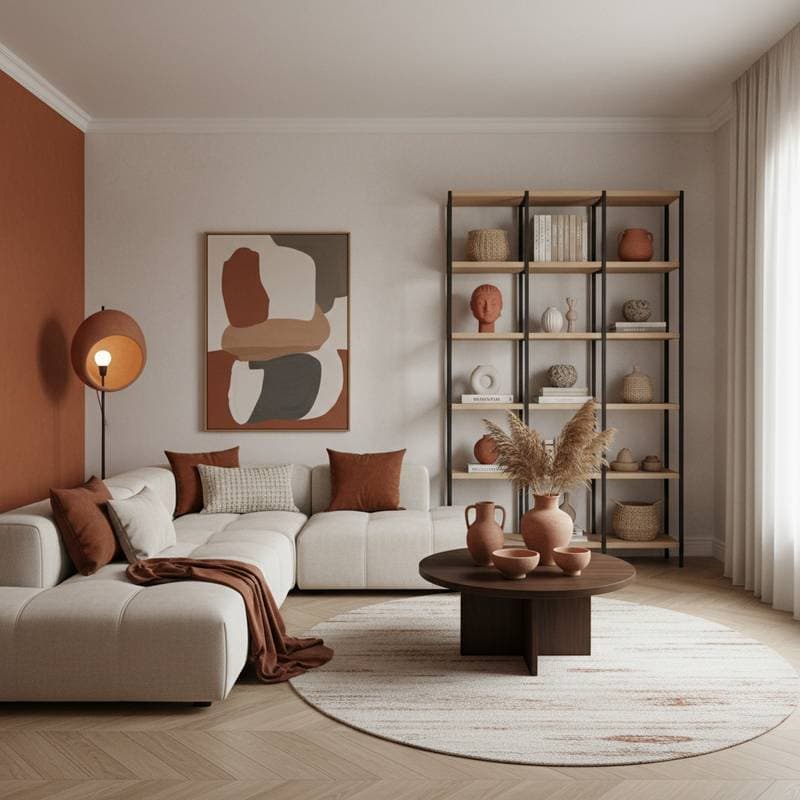
Terracotta Warm Tones: The Earthy Maximalism Trend
Examine your living room and sense an absence of vitality. The furniture aligns well, and the lighting suits the space, yet the room lacks warmth and character. Numerous homeowners encounter this issue when neutral palettes become overly predictable. Terracotta provides an effective solution. This rich, earthy hue returns to interiors via a design philosophy called earthy maximalism.
Terracotta warm tones introduce a stable method to inject energy into any area without domination. They merge the reassurance of natural colors with the assurance of decisive design. The outcome yields a residence that appears personal and inviting.
Defining Earthy Maximalism for Interiors
Earthy maximalism avoids clutter or disorder. It involves superimposing natural textures, warm shades, and significant elements to generate depth and ease. Terracotta integrates seamlessly into this philosophy since it connects rustic warmth to contemporary aesthetics. Individuals favoring desert-inspired neutrals or Mediterranean energy discover terracotta imparts a settled quality that endures over time.
Those seeking to surpass minimalism often view this style as invigorating. It permits color, pattern, and texture while preserving unity. Balance serves as the essential principle. Combine terracotta walls with gentle ivory textiles, brass lighting fixtures, and untreated wood highlights to construct a unified color scheme that seems intentional rather than overcrowded.
To apply earthy maximalism, select pieces with personal significance, such as handmade rugs or vintage frames in complementary earth tones. Layer these gradually, starting with foundational elements like walls or floors, then adding softer accents. This approach ensures the space evolves organically, reflecting individual taste without excess.
Incorporating Terracotta Across Your Home
Multiple methods exist to integrate terracotta tones into a residence. Some options remain understated, while others deliver bold impact. Initiate with a single zone and extend gradually.
-
Walls and Focal Points
A terracotta accent wall immediately introduces warmth to a living room or bedroom. In compact areas, opt for a paler clay variant that captures ambient light. Matte finishes prove ideal to eliminate reflections and sustain a gentle, natural appearance. For application, choose low-VOC paints to minimize environmental impact, and apply two coats for even coverage. -
Flooring and Tiling
Classic terracotta tiles stand as one of the sturdiest and most appealing flooring choices. They perform reliably in kitchens, foyers, and outdoor patios. Anticipate expenditures of $5 to $10 per square foot for standard tiles, with artisanal or imported varieties ascending to $15 or higher. Select unglazed tiles for authenticity, and pair with underfloor heating in cooler climates for added comfort. -
Furniture and Fabrics
A velvet sofa in burnt clay or linen dining chairs in subdued rust effectively grounds a room. To achieve equilibrium, match terracotta fabrics with neutral floor coverings and raw wood pieces. Consider modular furniture for flexibility, allowing seasonal adjustments while maintaining the earthy theme. -
Accessories and Details
Cushions, ceramics, and braided containers in terracotta shades finalize the scheme without substantial investments. Modest objects like earthenware pots or sculptural vessels contribute understated warmth at costs below $50 apiece. Source from local artisans to support sustainability and ensure unique, non-mass-produced items. -
Outdoor Applications
Terracotta enhances exterior settings admirably. Consider containers, roofing tiles, or colored borders. The hue harmonizes with foliage and rock elements, fostering a seamless flow between interior and exterior environments. For durability outdoors, apply weather-resistant sealants to protect against fading.
Harmonizing Terracotta with Complementary Hues
Terracotta aligns effectively with warm and cool bases, enhancing its adaptability. Pair it with sage green to evoke serenity and nature, or employ deep navy for striking differentiation. Cream, sand, and taupe temper the intensity, whereas gold or black details confer elegance.
To test combinations, prepare a sample board with fabric swatches and paint chips. Observe how terracotta interacts under various illuminations. Daylight accentuates golden notes, whereas overhead lights intensify reddish aspects. Adjust pairings based on room orientation, such as warmer accents for north-facing spaces.
Practical Considerations: Budget, Upkeep, and Implementation
Expenses and Long-Term Benefits:
Materials in the terracotta range differ in cost. Paint within this spectrum runs approximately $40 to $70 per gallon, varying by manufacturer and sheen. Genuine clay tiles or ceramic items command premium prices yet offer extended service life. Initial outlays may exceed alternatives, but these selections resist trends and elevate property value during sales.
Upkeep Strategies:
Seal terracotta tile to block liquid penetration. Renew the sealant biennially to preserve resilience. Painted areas demand less effort but occasional refreshes. Terracotta upholstery conceals light soiling superior to pale options, suiting households with children or frequent use.
Safety Measures and Preparation:
During painting or sealing of terracotta elements, ensure adequate airflow and use protective gear like gloves or respirators. For removing prior coatings or tiles, engage specialists to mitigate dust or hazardous exposure. Always test products in inconspicuous spots to confirm compatibility.
Cultivating an Inviting Ambiance
Terracotta warm tones foster an environment that feels anchored, soothing, and inhabited. They adapt readily to modern or classic architectures. Should a space appear barren or chilly, terracotta alters the sentiment promptly. The shade interacts favorably with daylight and aligns with substances like timber, flax, and granite.
Enhance this effect by incorporating live plants or organic fibers, which amplify the natural resonance. Such additions create a sanctuary that nurtures well-being and invites relaxation.
Steps to Integrate Terracotta Effectively
Commence modestly. Several terracotta highlights may suffice to alter a room's essence. Upon positive response, advance to prominent changes like statement walls or tiled surfaces.
Evaluate progress after each addition, ensuring cohesion with existing decor. Consult color wheels or professional swatches for precision. Terracotta warm tones paired with earthy maximalism deliver comfort and individuality to a dwelling. Applied with intention, they forge areas more attuned to the environment and expressive of personal aesthetics.