
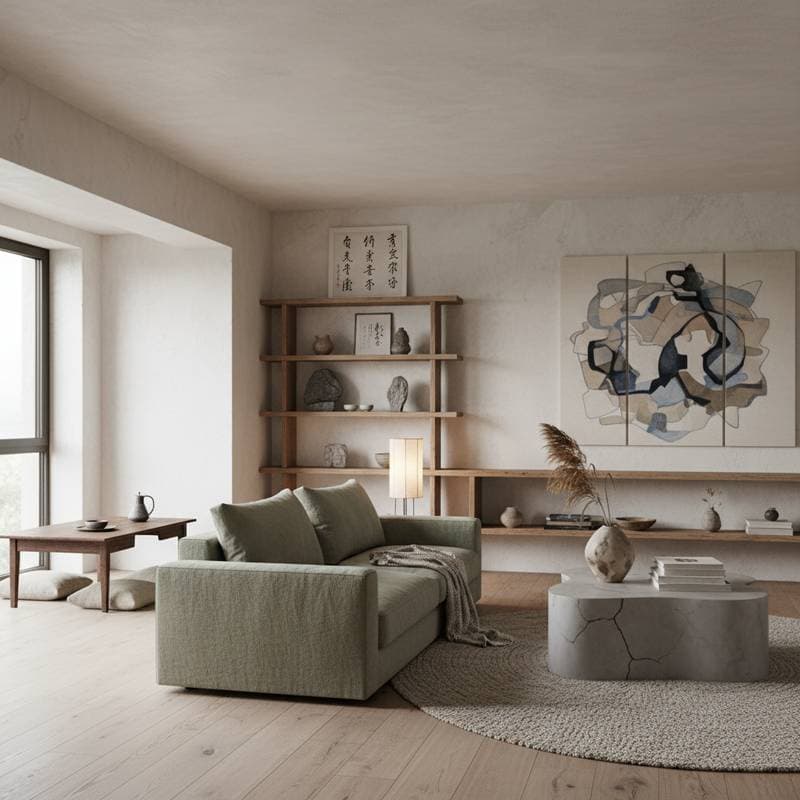
Embracing Imperfection: Defining Home Design Trends for 2026
Consider a home where subtle asymmetries and gentle wear invite relaxation rather than scrutiny. Such spaces capture the essence of emerging design preferences. Homeowners increasingly seek environments that reflect authentic living over manufactured ideals.
The Evolution to Authentic Aesthetics
Traditional design emphasized precise symmetry, seamless finishes, and unified palettes. Current movements favor organic forms and inherent flaws. This change draws from the Japanese concept of wabi-sabi, which appreciates transience, simplicity, and the allure of the imperfect.
Wabi-sabi acknowledges that completeness arises from acceptance of natural processes. In contemporary contexts, this philosophy aligns with dynamic lifestyles filled with spontaneity. Homes adopting these elements become extensions of personal narratives, featuring artisanal ceramics with subtle irregularities or timber surfaces marked by time.
Characteristics of Wabi-Sabi Inspired Interiors
Wabi-sabi interiors convey sincerity through understated elegance. These spaces encourage mindfulness by highlighting intrinsic qualities over ostentation.
Key elements include:
- Natural materials like reclaimed oak, undyed cotton, river stone, and terracotta.
- Subdued color schemes such as warm taupes, soft moss greens, deep grays, and creamy ecru.
- Fluid, irregular forms reminiscent of craftsmanship rather than industrial precision.
- Visible textures that evolve, including verdigris on metal or natural veining in marble.
- Intentional restraint that promotes serenity and unobstructed views.
This style complements minimalist principles while introducing tactile depth. Rooms avoid barrenness, instead achieving harmony through curated, soulful arrangements.
Incorporating Imperfect Elements Practically
Begin with modest adjustments to infuse character without overwhelming existing setups. Focus on authenticity that enhances usability.
- Repurpose existing pieces. Retain chairs with natural patina or textiles softened by use; these elements weave personal history into the decor.
- Incorporate artisanal or salvaged finds. Select a hand-glazed vase with unique firing marks or a barnwood console displaying authentic knots and grains.
- Adopt a neutral foundation. Layer earth-toned walls with accents from fibers like linen throws or sisal rugs for subtle vibrancy.
- Integrate organic motifs. Arrange foraged elements such as eucalyptus stems in asymmetrical vases or pebbles in wooden bowls to evoke seasonal shifts.
- Curate thoughtfully. Eliminate non-essential items while permitting eclectic pairings; allow room for evolving collections.
For larger updates, consider lime-plastered walls that develop a nuanced finish over time. Opt for wide-plank flooring from sustainable sources, which offers visual interest at a comparable cost to uniform alternatives.
Benefits and Considerations of This Approach
Wabi-sabi design offers distinct advantages alongside potential drawbacks. Understanding both ensures informed application.
Advantages:
- Promotes emotional tranquility and a sense of belonging.
- Encourages resourcefulness through restoration and upcycling, lowering long-term expenses.
- Liberates from fleeting fashions, emphasizing enduring quality.
- Aligns with eco-conscious practices by favoring biodegradable and locally sourced components.
Challenges:
- Risks appearing haphazard without deliberate composition.
- May not appeal to those who favor sleek, contemporary edges.
- Sourcing durable, imperfect pieces requires research and patience.
Achieve equilibrium by anchoring imperfect accents with clean lines elsewhere. For instance, pair a rustic pottery set with streamlined cabinetry to maintain cohesion.
Integrating with Modern Functionality
Renovations can blend wabi-sabi visuals with practical innovations seamlessly. Apply breathable paints that mimic aged stucco for walls, providing both aesthetics and air quality benefits. Install underfloor heating beneath textured tiles to combine heritage charm with comfort.
Consult local regulations for structural modifications, though surface-level changes typically require no approvals. Incorporate smart features like motion-sensor lights disguised in ceramic fixtures, ensuring the design remains intuitive and efficient.
Fostering Enduring Home Harmony
As imperfection integrates into daily routines, appreciation for subtle evolutions grows. Minor imperfections transform into cherished details that enrich experiences.
This design philosophy elevates lived reality over idealized images. Homes evolve into sanctuaries of genuine expression, where comfort and authenticity prevail. Through intentional choices, spaces nurture well-being and inspire lasting contentment.