
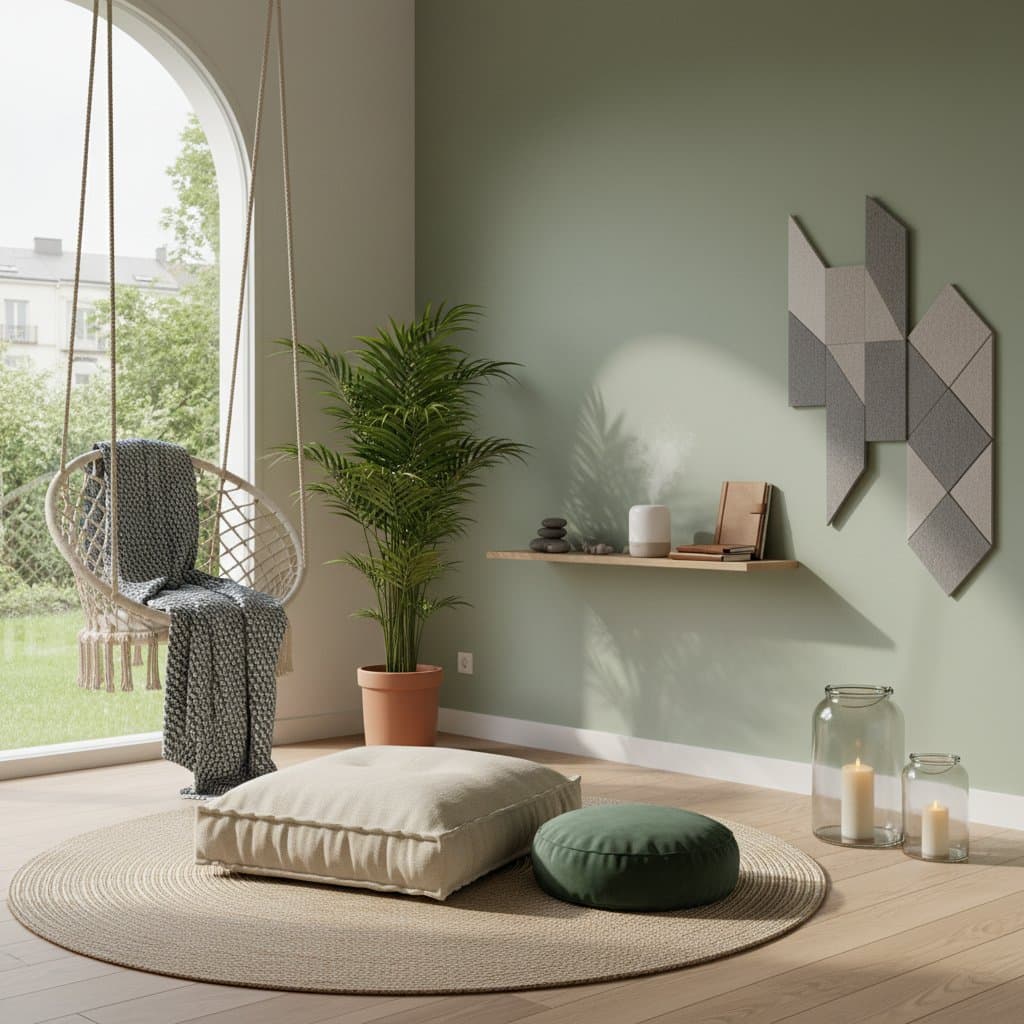
Unlock Mental Health Benefits with Home Wellness Rooms
Many individuals experience daily stress from noise and demands, yet a dedicated calm space within the home can provide essential relief. A wellness room serves as an accessible retreat, promoting mental and physical recharge without requiring travel. This approach integrates seamlessly into existing living areas, fostering long-term well-being.
Why a Wellness Room Matters
Standard home areas address cooking, sleeping, and productivity, yet few prioritize mental peace. A wellness room focuses on rest, reflection, and clarity, supporting activities such as meditation, gentle stretching, or quiet contemplation. Regular use reduces stress hormones, enhances concentration, and cultivates emotional equilibrium.
Such spaces require neither extensive funds nor additional square footage. A modest corner transforms into a sanctuary through intentional modifications, yielding measurable improvements in daily mood and resilience.
Getting Started: Planning Your Space
Initiate the process by evaluating personal needs to ensure the space aligns with lifestyle goals. Consider these key questions to shape the design:
-
What relaxation practices suit you best? Options include guided meditation, yoga sequences, a comfortable reading area, or deep breathing routines.
-
What area can you allocate? A compact 5-foot by 5-foot zone suffices when arranged efficiently, maximizing utility without disruption.
-
What atmosphere do you seek? Select hues and materials that evoke serenity, such as muted tones that expand perceived space and soft fabrics that invite relaxation.
These reflections establish a foundation, directing selections toward elements that deliver sustained value.
Step-by-Step: Creating a Wellness Room
Follow this sequence to build an effective space, emphasizing functionality and tranquility.
-
Choose the location. Opt for a low-traffic spot, such as a bedroom alcove, sunlit window nook, or underutilized dining corner, to minimize interruptions.
-
Clear the clutter. Eliminate non-essential items; retain only those that enhance calm, like a single shelf for journals or inspirational books.
-
Select calming colors. Apply soft greens for renewal, warm neutrals for grounding, or pale blues for openness; paint walls or use textiles to introduce these without major renovations.
-
Add natural elements. Incorporate low-maintenance plants like snake plants or pothos, smooth river stones in a bowl, or wooden frames to connect with nature indoors.
-
Control lighting. Install adjustable lamps with warm bulbs, beeswax candles for subtle glow, or sheer curtains to diffuse sunlight; avoid stark fluorescents that heighten tension.
-
Incorporate sound and scent. Integrate a small speaker for ambient nature tracks or white noise machines; diffuse lavender or eucalyptus oils via a plug-in warmer for immediate soothing effects.
-
Include comfort items. Provide a non-slip yoga mat for floor work, ergonomic floor pillows for seating, or a supportive armchair to encourage prolonged stays.
Cost and Effort Breakdown
Tailor the setup to available resources, scaling from basic to elaborate.
-
Budget setup: Approximately 200 to 400 dollars covers essentials like a cushioned mat, battery-operated lights, and affordable greenery.
-
Mid-range setup: 500 to 1,000 dollars accommodates a multifunctional chair, mid-sized plants, and basic aromatherapy diffusers for added depth.
-
Premium setup: Exceeding 1,000 dollars supports integrated audio systems, bespoke storage units, or professional lighting installations for a refined experience.
Complete a basic version over a single weekend with readily available items; more ambitious projects may span weeks, incorporating custom adaptations like wall-mounted shelves.
Pros and Cons to Keep in Mind
Pros:
- Promotes consistent mindfulness practices that build resilience.
- Enhances productivity through improved focus and reduced anxiety.
- Elevates home aesthetics, potentially increasing property appeal.
Cons:
- Demands committed area, potentially reducing flexibility for other activities.
- Benefits from acoustic panels in loud environments to maintain serenity.
- Risks reverting to disarray without routine upkeep.
Safety and Practical Tips
Prioritize precautions to ensure the space remains a safe haven. Position candles or oil diffusers on heat-resistant, steady platforms, extinguishing them promptly after use. Select rugs with grippy backing for stability during movement-based activities. For electrical additions like outlets or fixtures, consult a certified electrician to adhere to building codes and prevent hazards.
Sustaining Your Wellness Retreat
Begin with modest adjustments and refine based on experience. Dedicate brief daily sessions to reinforce habits, allowing the space to evolve with your preferences. Over time, this personalized haven becomes integral to mental health maintenance, delivering enduring calm amid life's demands.