
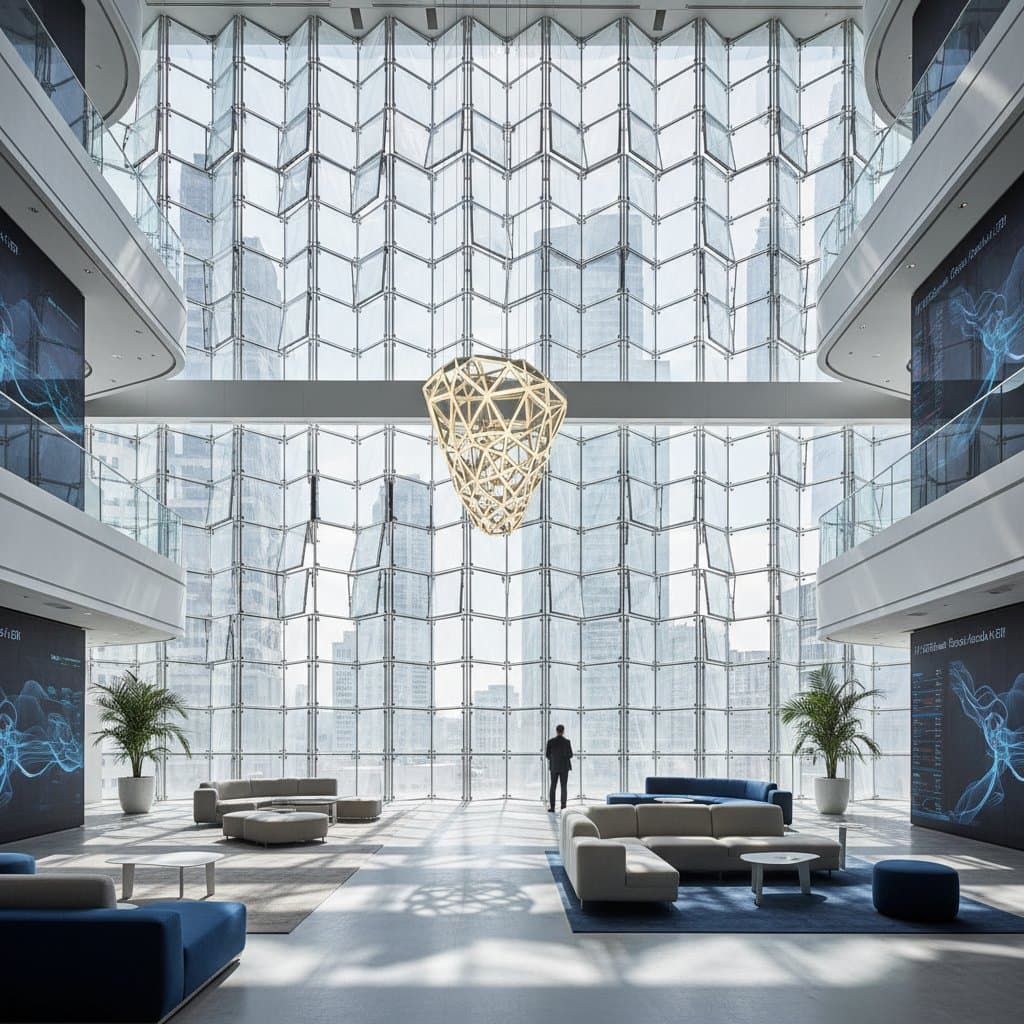
Parametric Facades: Redefining Architecture by 2026
Envision navigating a urban landscape where structures interact seamlessly with their surroundings. Facades undulate in response to breezes, sunlight filters through intricate patterns, and buildings appear to pulse with environmental cues. This vision represents the emergence of parametric facades, a methodology that redefines architectural form, function, and environmental harmony.
Parametric architecture employs computational processes to craft intricate designs inspired by natural patterns. Architects leverage data on illumination, thermal dynamics, and air circulation to develop adaptive exteriors. These facades transcend conventional barriers, functioning as dynamic interfaces that optimize performance while enhancing visual intrigue.
The Evolution to Intelligent Systems
Conventional building envelopes primarily serve protective and stylistic roles. They shield interiors, convey organizational identity, and define spatial boundaries. Parametric facades build upon this base by incorporating computational intelligence, linking geometric configurations directly to operational objectives.
Designers utilize software to evaluate how surface variations influence internal climate, resource use, and visual harmony. This approach enables simultaneous manipulation of numerous elements, such as adjusting aperture sizes to mitigate solar heat gain or enhance natural ventilation. Consequently, projects yield quantifiable benefits, validated through simulations prior to physical realization.
Mechanisms of Parametric Facades
Parametric facades originate from defined inputs rather than preliminary drawings. Parameters encompass regional weather patterns, solar paths, material attributes, and site-specific traffic. Tools like Grasshopper integrated with Rhino process these inputs via algorithms to produce optimized geometries.
The workflow proceeds systematically:
-
Establish parameters: Identify priorities, such as shading strategies for arid zones or heat retention for temperate areas.
-
Develop geometry: Computational models generate interconnected components, where each element correlates to environmental data.
-
Test and iterate: Evaluate simulations for light penetration, thermal regulation, and load distribution. Real-time modifications facilitate rapid assessment of alternatives.
-
Execute fabrication: Digital blueprints direct precision manufacturing, including CNC routing or additive printing, to ensure component fidelity.
Adaptive Aesthetics and Functionality
The allure of parametric facades stems from their environmental responsiveness. Kinetic elements adjust to diurnal light cycles, while responsive materials alter transparency or thermal properties. Consider a gallery facade that modulates sunlight to safeguard collections, or an apartment complex where screens balance seclusion and vistas.
Such designs position buildings as active environmental contributors. They mitigate urban heat through reflective surfaces or promote airflow via strategic perforations, fostering ecological integration.
Contextual Adaptation and Sustainability
Parametric approaches tailor solutions to geographic specifics. In maritime regions, facades resist corrosion with durable coatings and streamlined profiles. Arid locales employ heat-dissipating geometries that harmonize with local palettes.
For instance, a Miami installation might feature louvered metal screens that scatter harsh rays, whereas Phoenix projects could integrate clay-based elements for thermal mass. This customization ensures sustainability by minimizing energy demands and maximizing site harmony.
Managing Expenses and Intricacy
Advanced parametric elements once confined to elite commissions, but accessibility has broadened their application. Software democratization allows budget-aligned scaling, from basic shading arrays in modest structures to motorized arrays in prominent developments.
Expenses fluctuate with choices in materials and production. Precision-cut alloys command premiums, yet alternatives like etched glazing or prefabricated modules deliver comparable efficacy economically. Early interdisciplinary input from designers, analysts, and producers optimizes outcomes within fiscal constraints.
Compliance, Safety, and Reliability
Parametric facades adhere rigorously to regulatory frameworks. Complex morphologies necessitate thorough evaluations of seismic resilience, aerodynamic forces, and fire resistance. Simulation platforms forecast performance under duress, upholding integrity without sacrificing innovation.
Approval processes may demand enhanced submissions for non-standard configurations, yet these rigors cultivate refined expertise. Professionals ensure that aesthetic ambitions align with enduring safety protocols.
Collaborative Digital Processes
Success in parametric projects hinges on unified digital environments. Teams of architects, engineers, and manufacturers exchange iterative models, streamlining communication and curtailing discrepancies. This methodology accelerates schedules, curtails material surplus, and affords stakeholders interactive previews of design progressions.
Clients gain insights into parameter shifts affecting efficiency and expenditure, promoting informed decisions throughout development.
Implementing Parametric Solutions
Architects, developers, and owners seeking innovative elevations should initiate with clear objectives, such as curbing operational costs or forging distinctive landmarks. Assemble a proficient team versed in parametric methodologies to convert aspirations into parametric frameworks.
Platforms like doricsouth.com facilitate connections with certified specialists in algorithmic design. Post project details at no cost to access tailored expertise.
Architecture as Dynamic Partnership
Parametric facades illustrate architecture's vital essence. Structures engage environments through intelligent adaptation, embodying cultural narratives and climatic imperatives. As technologies advance, these creations yield surroundings that are resilient, intuitive, and profoundly attuned to human experience.