
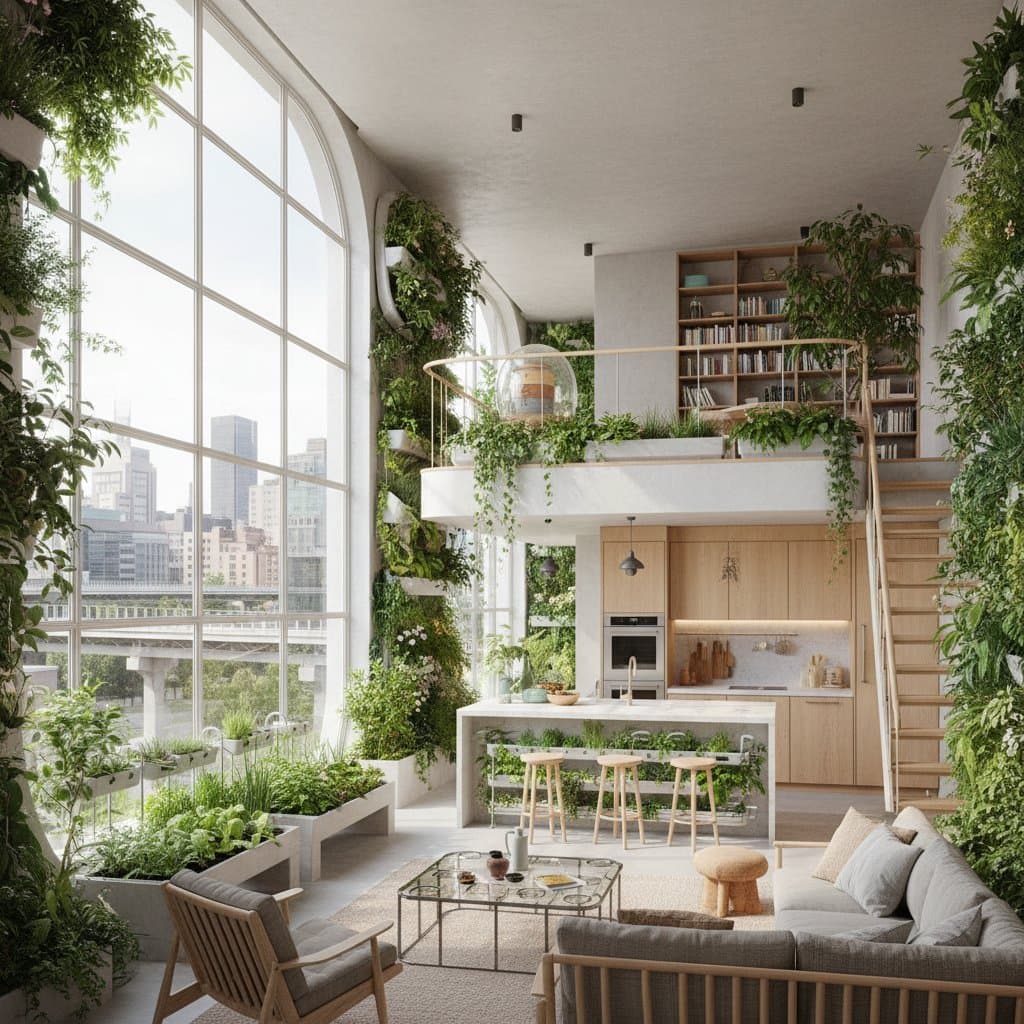
Solarpunk Design: Crafting Green Utopias for Urban Futures by 2026
Picture emerging from your residence to encounter verdant rooftops brimming with edible plants, photovoltaic arrays energizing interior spaces, and communal plots where residents exchange produce and experiences. The atmosphere carries a purer quality, while structures merge seamlessly with surrounding terrain. Solarpunk design advances this vision incrementally across urban districts.
Solarpunk extends beyond artistic or architectural trends; it manifests as a viable methodology. This paradigm prioritizes synergy with natural systems over opposition. Core principles encompass renewable power sources, enduring lifestyles, and designs centered on social cohesion. For those seeking vitality, optimization, and optimism in residential or metropolitan settings, solarpunk offers a compelling framework.
Defining Solarpunk Principles
Solarpunk embodies a philosophy intertwined with practical application. It envisions a scenario where innovation bolsters planetary health rather than depleting it. The solar component signifies harnessed clean energy, whereas the punk element conveys autonomy, ingenuity, and opposition to inefficient infrastructures.
Fundamentally, solarpunk architecture integrates renewable power, eco-conscious materials, and interpersonal linkages. It probes the capacity of edifices to self-generate electricity, conserve water resources, and maintain visual appeal. Consider it an amalgamation of contemporary eco-architecture and socially oriented habitation.
Typical features include:
- Verdant rooftops and vertical gardens that regulate temperatures organically and purify ambient air.
- Photovoltaic installations and compact wind turbines delivering sustainable electricity.
- Rainwater capture and greywater reutilization minimizing resource expenditure.
- Eco-derived substances such as bamboo, natural stone, salvaged timber, and earthen composites.
- Collaborative zones facilitating food cultivation, equipment mending, or joint endeavors.
Central to this ethos is equilibrium. Solarpunk environments transcend mere functionality; they evoke warmth, illumination, and humanity.
The Shift Among Designers to Solarpunk
Conventional architecture frequently prioritizes aesthetics over operational efficacy. Solarpunk inverts this sequence, initiating with inquiries like, "In what ways can this structure achieve self-sufficiency?" Professionals investigate residences that exceed their energy consumption or municipalities that naturally remediate pollution.
Architects and urban strategists regard solarpunk as a pragmatic response to escalating utility expenses, population density, and environmental pressures. Rather than relying on systemic overhauls, it promotes incremental, localized enhancements that accumulate impact. Examples range from households adopting photovoltaic systems, districts constructing communal conservatories, to multifamily units incorporating elevated cultivation areas—all aligning with a unified ethos.
Advantages of Adopting Solarpunk Design
The allure of this methodology extends to non-specialists through tangible gains on individual and utilitarian levels.
- Reduced utility expenditures. Photovoltaic integration, passive airflow, and solar thermal collection substantially diminish operational costs.
- Enhanced spatial comfort. Foliage moderates temperatures, dampens acoustics, and fosters serene interiors.
- Improved well-being. Superior air quality, diminished reliance on synthetics, and amplified natural light correlate with reduced ailments and enhanced rest.
- Strengthened social ties. Joint cultivation sites and fabrication hubs cultivate relationships and mutual aid frameworks.
- Heightened durability. Self-powered and water-autonomous dwellings persist amid infrastructural disruptions.
Solarpunk further stimulates artistic expression. It liberates from rigid contemporary conventions, permitting fusions of organic patinas, vivid hues, and forward-looking accents. A dwelling might feature rooftop photovoltaics alongside climbing flora, yet retain an intimate essence.
Anticipated Hurdles in Implementation
Embracing sustainability involves complexities. Practical adoption of solarpunk concepts encounters barriers.
- Initial investments. Photovoltaic arrays, automated controls, or enhanced thermal barriers demand capital. A modest household photovoltaic installation might range from $5,000 to $15,000 prior to rebates.
- Ongoing upkeep. Biodiverse rooftops and precipitation management require consistent attention for optimal performance.
- Regulatory compliance. Municipal ordinances may restrict rooftop modifications or vegetative installations; verify jurisdiction-specific guidelines.
- Resource procurement. Locating proximate sustainable supplies necessitates diligence and investigation.
Nevertheless, proprietors and collectives typically discover that enduring fiscal recoveries and fulfillment surpass initial labors. Established infrastructures frequently recoup expenses via diminished tariffs and maintenance reductions.
Incorporating Solarpunk Elements into Existing Spaces
Comprehensive renovations prove unnecessary for partial solarpunk alignment. Scalable initiatives enable gradual integration.
Initiate with Energy Optimization
Renewable sources form the cornerstone of solarpunk methodology. Commence by curtailing inefficiencies: transition to light-emitting diode illumination, deactivate idle electronics, and deploy programmable climate regulators. For feasible budgets, photovoltaic adoption merits consideration; even limited arrays suffice for ancillary devices or exterior fixtures.
Renters benefit from mobile photovoltaic units, which energize mobiles or circulate air via compact fans. These options, priced below $200, curtail dependence on non-renewable grids without permanent alterations.
Introduce Botanical Features
In solarpunk contexts, vegetation serves beyond ornamentation as thermal regulators and atmospheric cleansers. Install sill containers, interior vessels, or modular vertical assemblies. Select species adapted to regional conditions to minimize maintenance demands.
Balconies or grounds suit herb or produce cultivation. Containers of rosemary or greens not only trim procurement expenses but elevate culinary freshness.
Optimize Water Utilization
Solarpunk cherishes resource conservation. Where permissible, amass precipitation for non-potable applications like irrigation or exterior cleansing. Greywater diversion channels laundry or bathing effluents toward lavatories or landscaping, potentially slashing consumption by 30 percent; expert setup ensures efficacy.
Foster or Engage in Collectives
Solarpunk flourishes via resource pooling. Seek regional assemblies dedicated to horticulture, implement sharing, or clean power advocacy. Absent such, initiate collaborations: neighbors might establish organic decomposition units, joint photovoltaic networks, or allotment gardens.
Periodic gatherings sustain enthusiasm and disseminate expertise. Interpersonal rewards parallel ecological outcomes.
Harmonize Aesthetics and Utility
Solarpunk transcends pragmatism to embrace artistry. Blend tactile organics with sleek geometries. Opt for furnishings from repurposed lumber, upcycled alloys, or artisan local wares. Maximize daylight via expansive glazing. Employ pale tones to amplify luminosity and spaciousness.
Such habitats inspire without austerity. Infuse personal motifs through crafted accents or vibrant textiles.
Distinguishing Solarpunk from Comparable Eco-Approaches
Solarpunk shares terrain with fellow sustainable paradigms yet possesses distinct hallmarks.
- Minimalism stresses restraint and reduced acquisition. Solarpunk pursues plenitude via regenerative practices.
- Contemporary eco-architecture underscores technological precision. Solarpunk infuses communal warmth and visual delight.
- Autonomous habitation shuns grid reliance. Solarpunk accommodates hybrid models, emphasizing partnership.
Essentially, solarpunk synthesizes superior attributes from these while radiating hope. It reconciles innovation and ecology as allies.
Estimating Expenses and Commitments
Retrofitting for solarpunk varies by scope. Approximate figures aid budgeting:
- Photovoltaic systems: Entry-level configurations approximate $3,000–$10,000; expansive arrays escalate accordingly. Savings accrue over 5–10 years.
- Biodiverse rooftops: Expenditures span $10–$25 per square foot, enhancing thermal performance and utility offsets.
- Precipitation systems: Elementary cisterns fall under $100; comprehensive filtration exceeds $500.
- Interior flora and micro-gardens: Commence at $5–$20 per specimen; propagation via seeds proves economical.
Incremental progression permits phased enhancement, amplifying sustainability and livability progressively.
Prioritizing Safety and Structural Integrity
Prior to significant modifications, review municipal codes. Jurisdictions mandate approvals for photovoltaic mounts, reservoirs, or load-bearing adjustments. Engage certified specialists versed in sustainable endeavors for assurance.
Electrical or hydraulic interventions demand caution: isolate circuits and conduits beforehand, or delegate to qualified personnel. For weighted elements like verdant coverings, structural evaluations confirm capacity; consultations avert prospective liabilities.
Solarpunk's Trajectory in Urban Planning
Professionals increasingly incorporate solarpunk tenets. Emerging districts integrate distributed energy, allotment networks, and biogenic constructs from inception. Educational, commercial, and civic venues adopt parallel strategies.
Solarpunk's versatility suits diverse locales, from agrarian dwellings to dense high-rises. Emphasis lies on advancement over flawlessness. Each verdant canopy or cooperative plot reframes perspectives on fabrication and solidarity.
Advancing Sustainable Living Through Solarpunk
To actualize solarpunk inspirations, commence modestly: supplant a single inefficient routine, cultivate a novel plot, or acquire a foundational competency. Each initiative bolsters broader ecological aims.
Consult regional fabricators on low-impact substances. Patronize outlets stocking salvaged or benign goods. Affiliate with forums exploring clean energies or regenerative agriculture.
Domestic transformations often ripple outward. Visible successes—like nocturnal photovoltaic illumination or flourishing overhead plots—prompt emulation. Solarpunk propagates via demonstrable instances and collective advancement.
Solarpunk's essence radiates assurance. It renders ecological ideals attainable, fostering spaces that nurture both planet and populace.