
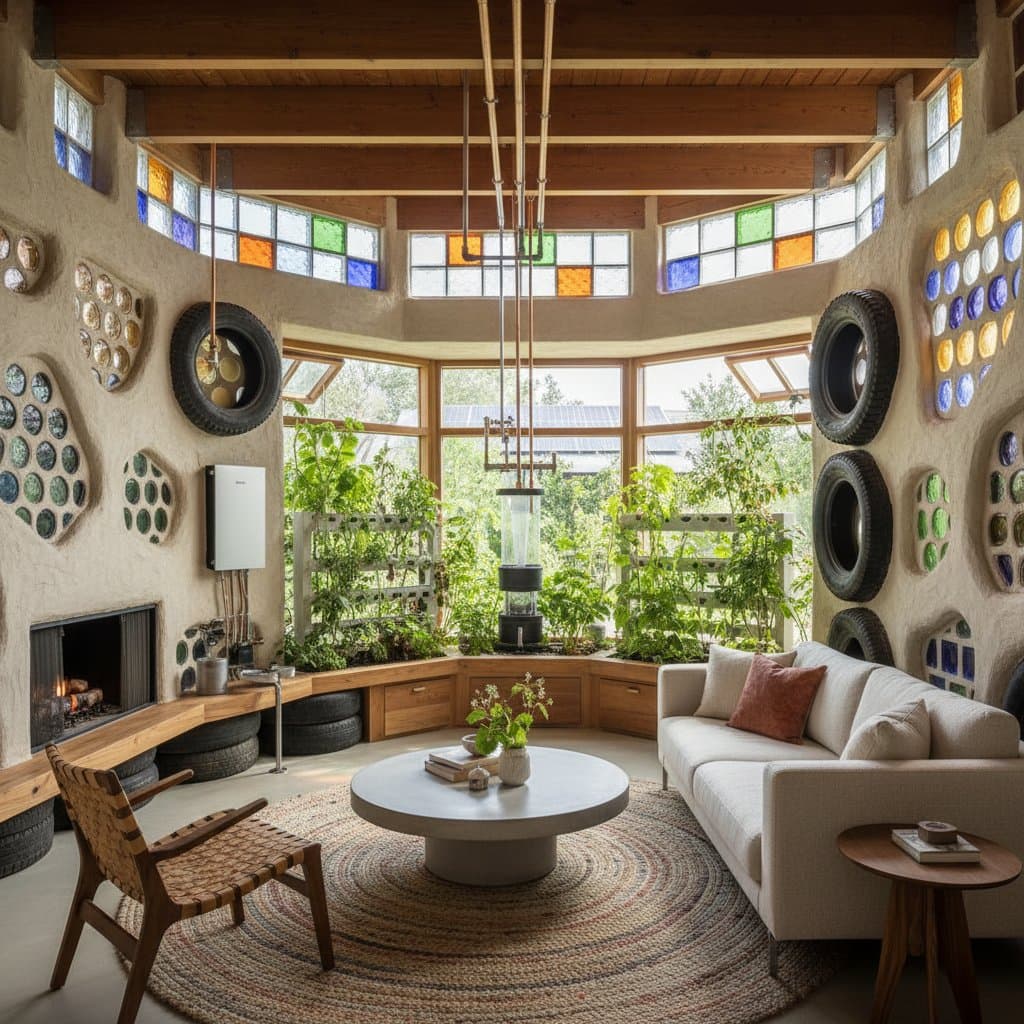
Off-Grid Tire Homes: Earthships Go Mainstream
Images of half-buried structures made from tires and bottles often appear in documentaries or social media posts. These dwellings blend into hillsides and appear unconventional, even futuristic. Yet they represent some of the most practical sustainable housing options available today. The rising popularity of Earthships demonstrates that off-grid living is realistic and achievable.
The Growing Appeal of Off-Grid Living
Escalating utility bills, frequent extreme weather events, and heightened focus on environmental sustainability prompt many homeowners to reassess conventional housing. Standard homes rely extensively on external energy and water supplies. Disruptions or cost increases in these systems drive interest in self-sufficient alternatives. Earthships provide a robust solution for independence.
An Earthship functions as a passive solar dwelling constructed mainly from recycled materials, including tires, glass bottles, and aluminum cans. These homes harvest rainwater, produce electricity on-site, and maintain comfortable temperatures without traditional heating or cooling systems. What began as innovative experimentation has evolved into a reliable, attainable approach to off-grid habitation.
What Makes an Earthship Different
An Earthship extends beyond merely adding solar panels to a structure. It integrates six core principles into a cohesive design:
- Thermal and solar control via earth-bermed walls and optimized window orientations.
- Power generation through photovoltaic panels and optional small wind turbines.
- Water harvesting by collecting and storing rainwater in underground cisterns.
- Wastewater treatment using indoor and outdoor botanical filtration cells.
- Natural and recycled materials incorporated in all construction elements.
- Food production via integrated indoor planters and adjacent outdoor gardens.
These components minimize reliance on external resources. Collectively, they form a closed-loop ecosystem that supports comfortable living with reduced waste output.
How Tire Walls Work
Tire walls define the Earthship structure. Workers pack discarded automobile tires with rammed earth and arrange them in interlocking courses, similar to bricklaying. The resulting thermal mass stores daytime heat and releases it gradually overnight. This mechanism stabilizes indoor temperatures across diverse climates.
Three sides of the exterior typically embed into the earth for insulation, while the south-facing facade features expansive glazing to admit sunlight. Interior surfaces receive plaster finishes, concealing the tires entirely. The overall effect conveys solidity and refinement. Although labor-intensive, tire construction repurposes materials that pose recycling challenges. A standard Earthship incorporates hundreds to thousands of tires, diverting them from landfills.
Step-by-Step Overview of Earthship Construction
Earthship projects demand meticulous planning and hands-on labor. Professional contractors can oversee the build, though numerous owners contribute personally. The following outlines key phases:
-
Site Selection
Identify land with optimal solar access, firm soil conditions, and delivery logistics. Review zoning laws and permitting processes promptly. Certain jurisdictions treat Earthships as alternative structures, necessitating specialized evaluations. -
Foundation and Tire Wall Construction
Prepare a level base, then stack tires in offset patterns. Compact earth into each tire using pneumatic tools for structural integrity. -
Framing and Roof Installation
Erect sturdy beams to support a sloped roof covered in metal sheeting or durable membranes. Ensure the design facilitates efficient rainwater capture. -
Solar and Electrical Setup
Mount photovoltaic arrays on the roof or adjacent supports. Link them to deep-cycle batteries and inverters to deliver alternating current for household needs. -
Water and Sewage Systems
Integrate cisterns for rainwater storage, multi-stage filtration units, and botanical cells. Route greywater from fixtures to irrigate non-potable plants. -
Interior Finishing
Apply plaster to walls, pour earthen or concrete floors, and populate built-in planters. Opt for breathable finishes like clay or lime-based plasters to enhance indoor air quality.
Costs and Budget Planning
Earthship expenses fluctuate according to site, scale, and finishes. Owner-built basic models range from $150 to $250 per square foot. Contractor-led versions with premium features may exceed $400 per square foot.
Recycled elements like tires and bottles often incur no cost when sourced locally. Investments in solar arrays, batteries, and water infrastructure dominate the budget yet yield substantial savings over time. Operational expenses post-construction remain low, free from utility payments.
Permit and Code Considerations
Verify compliance with local building regulations prior to starting. Unfamiliarity with Earthship methods can prolong approval timelines. Submit comprehensive engineering plans and reference approved precedents to expedite reviews.
Earthships frequently surpass stringent energy standards through inherent efficiency. Authorities scrutinize drainage and sanitation components most rigorously. Consult licensed professionals experienced in unconventional systems for guidance.
Advantages of Living in an Earthship
-
Energy Independence
On-site generation shields residents from price hikes and grid failures. -
Water Self-Sufficiency
Harvesting and recycling mechanisms lessen municipal water dependency. -
Sustainable Materials
Recycled and earth-based components diminish construction's ecological impact. -
Comfortable Climate Control
Passive designs deliver consistent temperatures without energy-intensive appliances. -
Low Long-Term Costs
Initial outlays amortize through negligible ongoing bills, aside from periodic upkeep.
Challenges to Expect
Earthships suit committed individuals, yet hurdles exist.
-
Labor and Construction Time
Tire preparation demands strenuous effort. Projects span months; volunteer crews often distribute the load. -
Building Permits and Inspections
Novel designs invite extra scrutiny. Proactive documentation and dialogue mitigate delays. -
Upfront Costs
Off-grid technologies require upfront capital. Long-term utility avoidance offsets this. -
Maintenance of Systems
Batteries, filters, and pumps require routine checks. Owners benefit from basic technical proficiency or service contracts.
Regional Adaptations
Earthships adapt to varied environments with targeted modifications. Colder zones incorporate enhanced insulation and extended berms for heat retention. Arid hot climates emphasize ventilation and overhangs for cooling.
Precipitation levels shape water strategies. Low-rainfall areas necessitate oversized storage and conservation tools. High-humidity sites prioritize robust drainage to avert waterlogging. Site-specific analysis ensures viability.
Safety and Structural Concerns
Engineering oversight is essential for durability. Properly rammed tire walls withstand significant loads, provided staggering and compaction meet standards. Address seismic risks, roof capacities, and runoff with expert consultation.
Plaster encasement minimizes fire hazards by isolating rubber from oxygen. Incorporate mechanical ventilation for air circulation. Include redundant power and water provisions as safeguards.
Return on Investment
Earthships seldom serve as quick-flip properties, but their resilience appeals to eco-minded buyers, potentially commanding premiums. High-utility regions amplify financial benefits through avoided expenses. The primary value lies in operational autonomy from vulnerable infrastructures.
Comparing DIY vs. Professional Builds
DIY Build Advantages:
- Reduced labor expenses
- Hands-on learning and customization
- Tailored design implementation
DIY Build Drawbacks:
- Extended timelines
- Potential for errors requiring rework
- Intense physical requirements
Professional Build Advantages:
- Accelerated progress
- Guaranteed regulatory adherence
- Superior craftsmanship
Professional Build Drawbacks:
- Elevated overall pricing
- Limited mid-process adjustments
Hybrid models prevail, with experts handling foundations and owners finalizing interiors.
Steps to Build Your Earthship
Begin by touring established Earthship sites or attending instructional sessions to observe operational dynamics. Understand thermal regulation, water cycles, and energy storage in practice.
Investigate regional codes and anticipate obstacles before acquiring property. Collaborate with alternative housing specialists from the outset.
Develop a comprehensive budget encompassing materials, labor, approvals, and reserves for surprises. Account for system maintenance in your long-term plan.
Earthship residency fosters stewardship over home functions. This commitment yields unparalleled self-reliance, thermal comfort, and environmental harmony.
Sustainable tire-based homes transcend remote prototypes. They offer versatile, pertinent strategies for contemporary lifestyles. As sustainability gains traction, Earthships illustrate the harmony of efficiency and ease within a single structure.