
Solarpunk: Green Utopian Designs for 2026 Homes
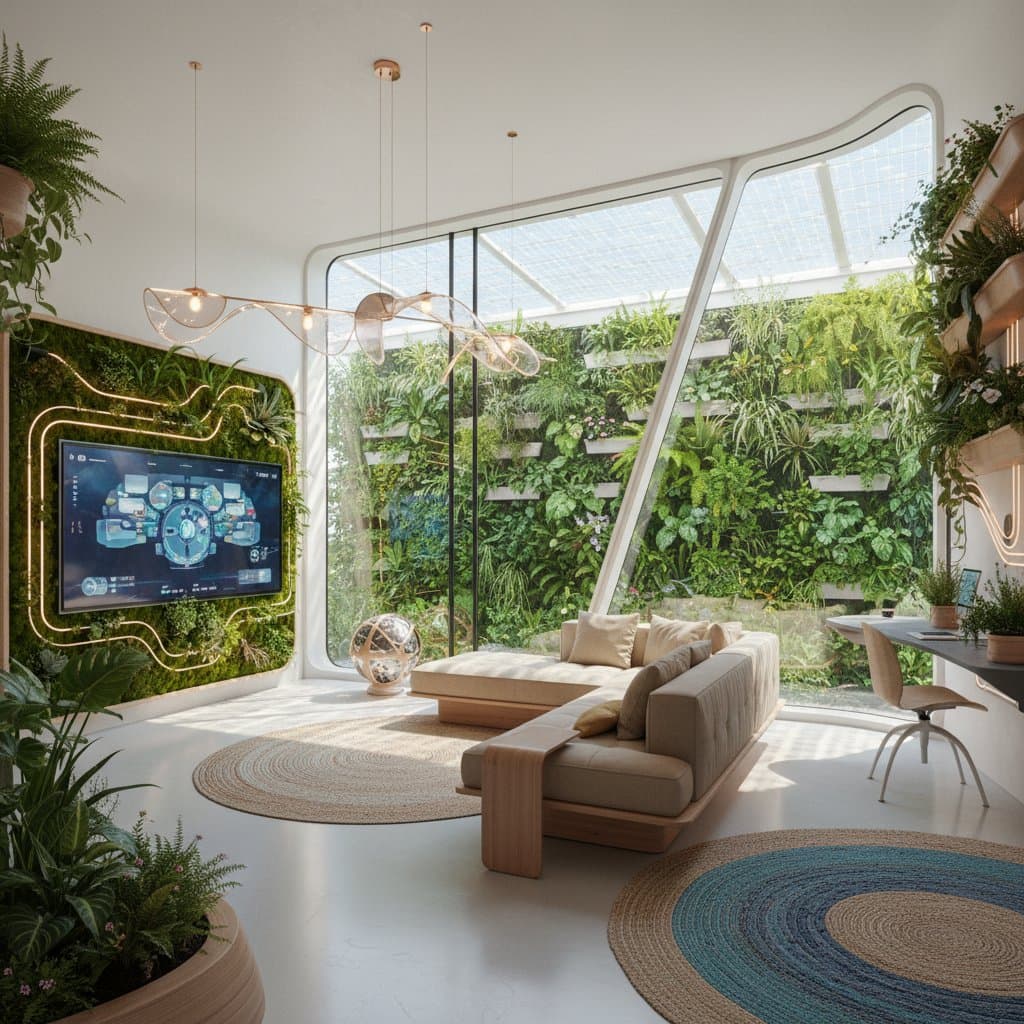
If you have heard about solarpunk design and wondered what it might look like in your neighborhood, consider this vision: sunlight glints off curved solar panels that resemble artwork more than functional equipment, vines climb trellises serving as shade structures, and interiors incorporate natural materials that align with the environment's rhythms. This approach moves beyond science fiction into a tangible movement. It reimagines home design by intertwining sustainability and creativity.
The Promise of a Greener Future at Home
Solarpunk extends beyond mere energy efficiency. It promotes a lifestyle rooted in harmony with the planet. The movement's appeal stems from its optimism and conviction that human ingenuity can craft homes that contribute more than they consume. If you have ever felt frustrated by sterile architecture or disconnected from nature, solarpunk provides a refreshing alternative. Designers select every window placement, roofline, and garden bed not only for aesthetic appeal but also for their collaboration with the natural world. For instance, strategically positioned overhangs reduce summer heat gain by up to 30 percent while allowing winter sunlight to warm interiors passively.
How the Solarpunk Philosophy Comes to Life
Solarpunk design merges technology and ecology at its foundation. Envision a house that gathers rainwater via sculptural gutters, generates its own power through flexible solar cells, and cultivates food in vertical gardens framing the porch. The objective is to develop self-sustaining ecosystems that appear as elegant dwellings.
Key elements define a solarpunk-inspired home:
-
Solar Integration: Roofs function as energy farms. Thin photovoltaic layers replace bulky panels, wrapping around curved surfaces or embedding into glass windows to maintain unobstructed views while capturing up to 20 percent more sunlight.
-
Living Architecture: Green roofs and wall gardens naturally cool interiors by evaporative processes, reducing air conditioning needs by 15 to 25 percent. These features also create habitats for pollinators, supporting local biodiversity.
-
Natural Materials: Bamboo flooring offers durability and renewability, reclaimed wood beams add structural integrity with minimal environmental impact, and earthen plasters regulate indoor humidity levels automatically.
-
Passive Design: Large south-facing windows maximize winter solar gain, potentially cutting heating costs by 20 percent. Deep overhangs and deciduous plantings provide summer shade, enhancing comfort without mechanical systems.
-
Water Systems: Greywater recycling from sinks and showers irrigates gardens, while rain collection barrels or cisterns store rooftop runoff for non-potable uses, conserving municipal water by 40 percent or more.
These elements interconnect to form a cohesive network of beauty and function. This network minimizes waste and enriches everyday experiences, such as harvesting fresh herbs from a living wall during meal preparation.
Creating a Solarpunk Home of Your Own
Transform your home into a greener sanctuary by initiating small changes. Install a smart thermostat to optimize heating and cooling based on occupancy patterns, or add a living wall near the entryway using modular planters filled with native drought-tolerant plants. Build momentum with larger projects, such as upgrading to solar roofing tiles that mimic traditional shingles or reconfiguring landscaping to include permeable surfaces for better water retention and reduced runoff.
Seek local contractors experienced in sustainable design to tailor these ideas to your region's climate. In coastal areas, prioritize materials resistant to salt corrosion and moisture, like treated cedar or marine-grade composites. In mountain regions, focus on enhanced insulation using sheep's wool or recycled denim, alongside passive solar features for heat retention during cold nights. Post your project on Doric South for free to connect with vetted professionals who grasp these regional nuances. They can provide cost estimates and timelines, ensuring compliance with incentives like tax credits for renewable energy installations.
Balancing Vision and Practicality
Solarpunk design celebrates imagination while demanding meticulous planning. Costs fluctuate based on the extent of technology and natural elements incorporated. A green roof for a modest structure might begin at $5,000 to $10,000, covering installation of lightweight soil mixes and drainage layers. Full solar integration, including battery storage for off-grid capability, could range from $20,000 to $50,000, depending on system size and local rebates.
Maintenance represents another key factor. Living systems require seasonal care, such as pruning vegetation to prevent overgrowth or cleaning solar panels quarterly to maintain efficiency. Permits often apply to water recycling setups or structural modifications like green roofs. Verify local building codes early in the process and engage architects specializing in sustainable practices. They can navigate zoning restrictions and integrate features seamlessly. When executed properly, these investments yield returns through reduced energy bills averaging 50 percent savings and improved indoor air quality that supports long-term health.
Living with Solarpunk Design
As your home embodies solarpunk ideals, daily life shifts noticeably. Morning light filters through climbing plants on south-facing facades, freshening the air with natural scents from integrated herb gardens. Your energy usage drops significantly, often verifiable through utility apps tracking real-time consumption. Neighbors may inquire about your green roof's installation process or the solar pergola shading your outdoor seating area. In this way, you contribute to a subtle revolution emphasizing creativity, community, and planetary respect.
Steps to Embrace Solarpunk Living
Solarpunk design encourages dreaming alongside action. Begin with a single sustainable choice, such as swapping traditional turf for a pollinator-friendly meadow that requires 70 percent less water. Progress from there, whether refreshing one room with biophilic elements like moss art installations or planning a new build with net-zero goals. Each decision honoring nature accumulates into enduring change. A solarpunk home serves not merely as a residence but as a realized vision of shared hope, constructed from sunlight, soil, and thoughtful innovation.