
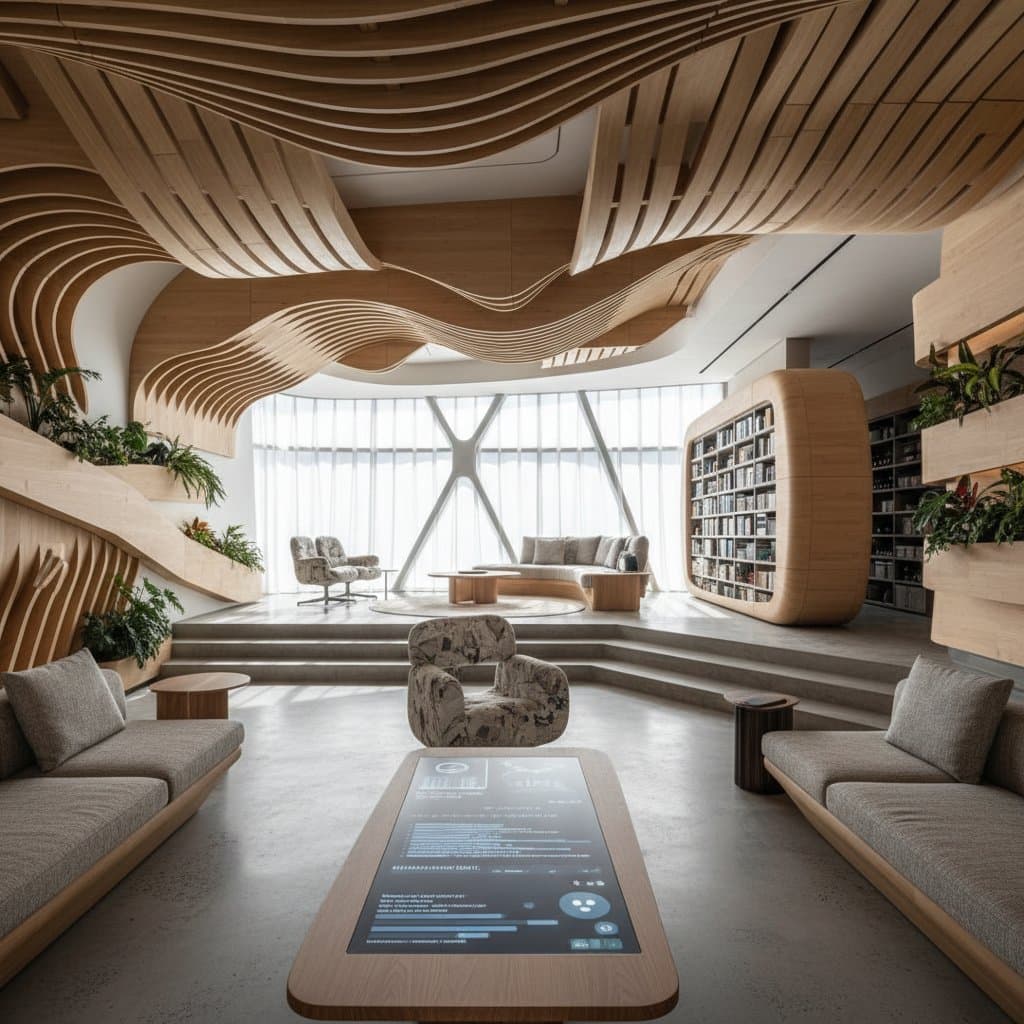
Algorithms Crafting Tomorrow's Parametric Homes
Homeowners often envision spaces that adjust seamlessly to daily needs, local weather, and personal preferences. Parametric design makes this vision reality through computational tools that generate responsive structures. These systems analyze variables like sunlight exposure and occupancy patterns to produce homes that enhance livability without constant manual intervention.
The New Language of Design
Parametric design shifts architecture from static blueprints to dynamic models defined by parameters. Architects input rules such as site orientation, wind flow, or material costs, and software recalculates the entire design in response. This method relies on computational logic to explore options that balance efficiency with artistic expression.
In practice, a home on a sloped terrain benefits from algorithms that optimize foundation layouts for stability and views. Designers integrate occupant data, like preferred room temperatures, to refine spatial arrangements. The result is architecture driven by precise data rather than solely by traditional sketches.
Why It Matters for Homeowners
For renovations or new builds, parametric design offers unmatched precision and flexibility. Static plans frequently require on-site adjustments, leading to delays and added costs. Parametric models, however, simulate changes instantly, ensuring elements like shading devices align with window modifications to preserve energy performance.
This approach minimizes errors and accelerates decision-making. Homeowners gain structures that prioritize sustainability alongside visual appeal. Complex shapes, once labor-intensive, become feasible as software handles intricate calculations.
How Algorithms Shape Architecture
Algorithms serve as the core engine in parametric design, processing instructions to iterate and evaluate options. They simulate environmental factors, such as thermal gains or structural stresses, to identify optimal configurations. Architects select from these outputs to refine the final form.
The process unfolds in clear steps:
-
Data Collection: Gather details on site topography, weather data, and nearby buildings using sensors or surveys.
-
Parameter Setting: Define objectives, including goals for daylight access or reduced energy consumption.
-
Algorithmic Modeling: Employ tools like Grasshopper for Rhino to link design variables, such as wall thickness to insulation needs.
-
Simulation and Feedback: Run iterations to test scenarios, scoring them on criteria like cost and comfort.
-
Refinement: Incorporate designer insights to finalize selections that harmonize function and form.
Human expertise guides the system, ensuring outputs align with practical constraints and aesthetic vision.
Real-World Examples of Parametric Homes
Parametric principles appear in diverse projects worldwide. A seaside residence employs adjustable louvers that modulate based on wind speed, maintaining indoor air quality. On a mountainous site, roof geometries capture precipitation for irrigation systems, reducing water dependency.
In dense cities, algorithms optimize compact layouts by simulating traffic flow within multi-use spaces. Family dwellings feature movable walls that reconfigure for play areas or home offices. Hot climates benefit from facades with variable perforations that block heat while allowing ventilation, cutting air-conditioning demands by up to 30 percent.
Sustainability Through Computation
Computational tools advance sustainability by forecasting building performance from the outset. Early simulations reveal seasonal energy patterns, enabling adjustments like strategic overhangs to limit summer heat gain. This proactive method avoids post-construction retrofits and lowers utility bills.
Algorithms evaluate material options for their lifecycle impact, favoring those with low carbon emissions and high durability. Ventilation modeling directs window placements to promote passive cooling, decreasing reliance on mechanical systems. Compliance with evolving regulations becomes straightforward as designs adapt to stringent efficiency standards.
The Human Touch in a Digital Process
Algorithmic design enhances rather than diminishes human involvement. Designers translate client aspirations into parameters, such as emphasizing communal areas for social families. The technology processes vast datasets from wearables or apps to customize zones, like amplifying natural light in reading nooks.
This collaboration yields spaces that reflect individual rhythms. A professional's workspace might integrate noise-dampening elements based on simulated acoustics. Ultimately, the process fosters deeper connections between homes and their inhabitants.
Budget and Build Considerations
Contrary to perceptions of high costs, parametric design often streamlines expenses through early optimization. Simulations pinpoint material efficiencies, such as thinner beams where loads permit, without compromising safety.
Key factors include:
-
Software and Expertise: Engage architects proficient in tools like Dynamo for Revit; initial consultations clarify parametric benefits.
-
Fabrication: Leverage CNC milling or robotic assembly to execute precise components, minimizing on-site waste.
-
Permits and Codes: Prepare detailed digital dossiers to demonstrate adherence to zoning and safety norms.
-
Timeline: Allocate extra time for modeling, but expect faster builds as virtual clash detection resolves issues upfront.
Long-term savings arise from enhanced durability and reduced maintenance needs.
Local Adaptation and Climate Response
Parametric models excel in tailoring designs to unique locales. In tropical areas, they configure eaves to deflect rain while facilitating cross-breezes. Temperate zones see roofs pitched for solar collection in winter and snow shedding in colder months.
Integration of regional resources adds authenticity. Algorithms assess how local stone modulates indoor humidity or how native woods affect sound diffusion. These adaptations ensure homes integrate harmoniously with their ecosystems.
The Future of Algorithmic Living
Advancements will integrate real-time data from IoT devices into design loops. Homes could recalibrate layouts based on usage analytics, such as expanding outdoor connections during mild weather. This evolution promises structures that anticipate needs, blending seamlessly with daily life.
Focus remains on intuitive enhancements rather than overt technology. Parametric homes will prioritize user well-being, delivering environments that support health and productivity effortlessly.
Steps to Implement Parametric Design
Start by consulting architects with computational portfolios; review their simulations of past projects to gauge fit. Provide detailed inputs on priorities, from eco-features to spatial flexibility, to inform parameter setup.
For existing properties, apply principles selectively, such as algorithmic shading retrofits. Track progress through iterative models, ensuring alignment with your vision at each stage.
Experiencing Adaptive Architecture Daily
In a completed parametric home, responsiveness becomes second nature. Sunlight adjusts to reading habits, airflow aligns with activity levels, and spaces evolve with life changes. This attuned design elevates living, turning homes into true extensions of personal needs.