
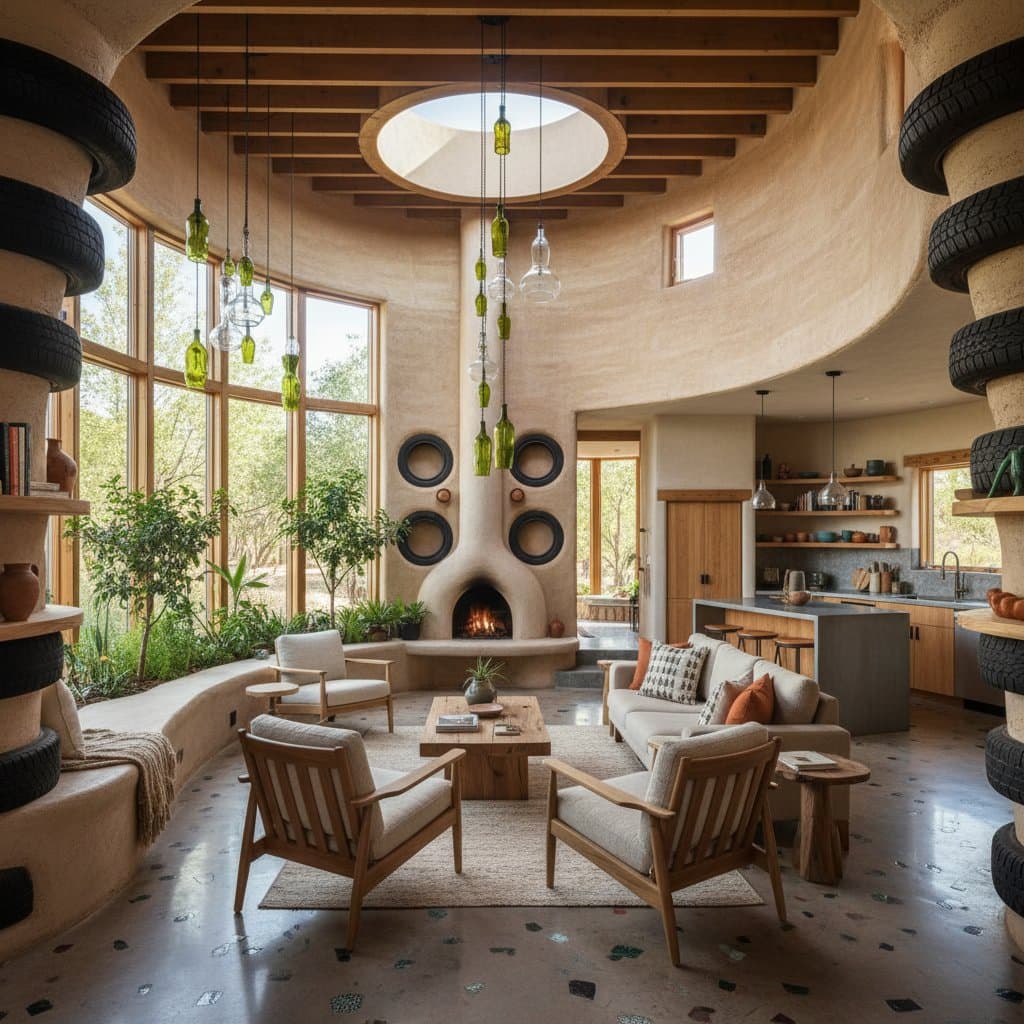
Earthships on the Rise: Tire Homes Gain Mainstream Recognition
Homes constructed from tires and earth may seem unconventional at first glance. Many imagine them as rudimentary desert outposts rather than viable residences. However, as sustainable living gains priority, earthships evolve from marginal ideas into respected architectural approaches. Their combination of practical self-reliance, artistic form, and ecological benefits drives this transformation.
The Surge in Demand for Sustainable Independence
Consider a residence that maintains comfortable temperatures year-round, generates its own power, and collects its water supply. Earthships fulfill this vision through the use of recycled components such as discarded tires filled with compacted earth, glass bottles, and salvaged timber. These structures transform waste into durable, functional, and visually striking elements. This approach aligns with broader societal moves toward self-sufficiency and heightened environmental consciousness, particularly in areas facing high utility rates and severe climate conditions.
The Mechanics of Tire-Based Construction
Earthships function primarily as passive solar dwellings. The dense tire walls provide thermal mass, which stores daytime heat and releases it gradually during cooler evenings. Key design elements include:
- South-facing glazing to maximize solar gain and interior warmth.
- Compacted tire walls assembled in a brick-like pattern for superior insulation and structural integrity.
- Passive ventilation systems that circulate fresh air while expelling excess heat.
- Rainwater harvesting setups equipped with filtration for potable use.
- Integrated indoor planters that utilize recycled wastewater to grow food.
These components work in harmony to minimize dependence on municipal services. At the same time, they foster a harmonious interaction with the surrounding ecosystem, turning everyday environmental inputs into reliable resources.
Factors Driving Increased Interest in Earthships
Earthships long remained the domain of off-grid pioneers. Today, their robustness and resource efficiency draw attention from architects, prospective buyers, and urban developers alike. Escalating energy prices, erratic weather, and a push for autonomy prompt reevaluation of conventional building norms. The ability to achieve comfort while slashing utility expenses and diverting landfill waste makes earthships a compelling option.
Builders in various locales experiment with integrated approaches. For instance, some incorporate tire walls alongside standard framing to enhance thermal performance selectively. Others apply contemporary surface treatments and spacious floor plans to create inviting interiors. This progression from raw to polished aesthetics demonstrates that eco-conscious design can align seamlessly with modern tastes.
Steps in Earthship Construction and Key Considerations
Building an earthship demands significant effort yet yields profound satisfaction. The core task involves ramming soil into tires to form solid, adobe-style blocks, a hands-on process that builds enduring strength. Anticipate these aspects:
- Regulatory approvals: Verify local building codes; innovative methods may necessitate detailed engineering reports in restrictive jurisdictions.
- Expertise and workforce: Owner involvement accelerates progress, though certified professionals safeguard structural soundness and adherence to standards.
- Budget expectations: Basic models suit limited funds, particularly with self-labor; elaborate builds with premium features match traditional home costs.
- Project duration: Expect months-long timelines, influenced by crew availability and weather dependencies.
- Optimal site preparation: Align the structure for solar exposure and ensure adequate drainage to optimize efficiency.
Participants frequently report the experience as demanding yet enlightening. Crafting personal living spaces from repurposed materials instills a rare sense of achievement absent in typical construction.
Daily Life in an Earthship Environment
Completed earthships demand little upkeep. Their robust walls withstand fire, insects, and harsh elements effectively. Self-contained utilities promote deliberate resource use, reinforcing ties to natural rhythms. Residents often characterize these spaces as serene havens that inspire innovation and introspection.
The built-in vegetation adds moisture and vitality to arid settings, while the inherent quiet of the massive walls provides a stabilizing presence. Inhabiting an earthship reshapes perspectives on resource use. Appreciation grows for rainfall, sunlight, and generated power, cultivating a mindful existence over wasteful habits.
Steps to Build Your Earthship
Interest in earthships warrants initial research into regional guidelines and collaboration with seasoned experts. Certain areas feature communities of qualified specialists in recycled and green architecture. Post details of your vision on Doric South at no cost to connect with pros adept in technical and design facets of sustainable projects. They assist in customizing plans to suit local weather, terrain, and financial parameters.
Thoughtful preparation allows a home to embody personal principles and ingenuity. Tire homes transcend isolated desert prototypes. They emerge as effective, attractive countermeasures to current dilemmas. From modest cabins to expansive family homes, these designs enable spaces that embody endurance, livability, and planetary stewardship.