
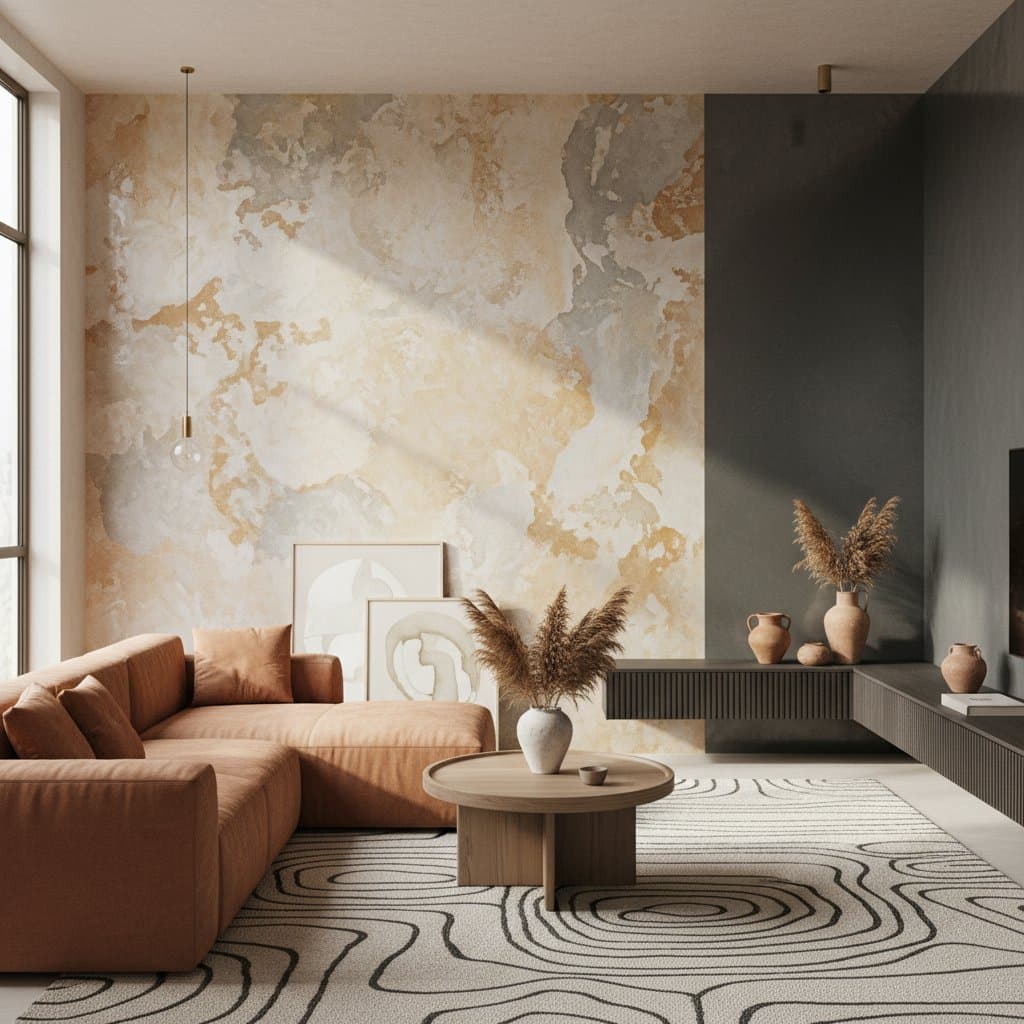
Handcrafted Plaster: Textures Defining 2026 Interiors
Imagine entering a newly renovated home where the walls draw your attention immediately. These surfaces possess depth that interacts with light, creating a sense of gentle movement throughout the room. This distinctive texture, often overlooked, distinguishes handcrafted plaster in contemporary interior design.
Homeowners increasingly shift from flawless, machine-applied finishes toward surfaces that convey narrative and authenticity. Hand-applied plaster introduces warmth, tactile interest, and unique character to spaces that could otherwise appear cold and impersonal. This approach aligns seamlessly with the rising demand for organic materials and skilled artisanal techniques.
For those considering a renovation or new construction, handcrafted plaster elevates walls to the level of artwork. The following sections outline essential details to inform your decision on this enduring yet surging finish.
Understanding the Different Types of Handcrafted Plaster
Selecting the right plaster requires familiarity with primary options. Each type presents distinct aesthetic qualities and functional attributes.
1. Lime Plaster
Lime plaster derives from limestone combined with natural aggregates. This material allows vapor transmission, making it ideal for contemporary residences and heritage restorations alike. It deters mold growth and stabilizes indoor humidity levels. The finish feels velvety and acquires a subtle aging patina that enhances over years.
Cost range: Generally 10 to 20 dollars per square foot for installation.
Difficulty level: Moderate to high, as it demands expert application techniques and controlled drying periods.
2. Venetian Plaster
Venetian plaster involves applying several slim layers of a mixture incorporating marble dust. The outcome yields a polished, stone-resembling surface that captures and diffuses light elegantly. Such finishes suit high-traffic areas like entryways, lounges, or feature walls where visual impact matters.
Cost range: Approximately 15 to 25 dollars per square foot when installed by specialists.
Difficulty level: High, requiring meticulous layering, burnishing, and refinement processes.
3. Clay Plaster
Clay plaster delivers a subdued, soil-inspired matte appearance that harmonizes with timber elements and rock features. Formulations rely on natural clays with earth-based colorants, minimizing artificial components. This option promotes an organic ambiance in bedrooms, studies, or casual gathering spaces.
Cost range: Roughly 8 to 15 dollars per square foot.
Difficulty level: Moderate; while feasible for self-application on smaller areas with preparation, expansive projects warrant professional involvement for uniformity.
Pros and Cons to Weigh Carefully
All surface treatments involve compromises. A balanced evaluation ensures handcrafted plaster aligns with your residence's needs and priorities.
Advantages
- Unique character: Variations in application ensure no two sections replicate exactly, fostering a bespoke aesthetic.
- Durability: When applied correctly, plaster withstands impacts and abrasions more effectively than standard paint coatings.
- Low maintenance: Sealed surfaces clean easily using a moist cloth and gentle detergent.
- Healthy indoor environment: Options like lime and clay manage excess moisture, contributing to stable air quality.
Limitations
- Higher cost: The expertise required elevates expenses beyond conventional painting or wall coverings.
- Longer installation time: Layered processes necessitate extended timelines for application and hardening.
- Repair complexity: Restorations demand precise replication of texture and hue, often challenging without skill.
- Limited DIY potential: Advanced techniques exceed the capabilities of novices, risking uneven results.
Safety and Maintenance Considerations
Handcrafted plaster poses minimal risks when handled properly, yet specific measures enhance safety and longevity.
- Protective gear: For any personal involvement, use gloves, protective eyewear, and a dust mask. Lime-based mixes may cause irritation to skin or respiratory passages.
- Ventilation: Ensure sufficient air circulation during application to facilitate even drying and avoid moisture pockets.
- Surface sealing: Choose permeable sealants to shield against marks and dampness without impeding breathability. Steer clear of impermeable films that could foster trapped humidity.
- Routine care: Remove dust periodically with a soft cloth. Refrain from abrasive cleaners or corrosive substances to preserve integrity.
Professionals should address significant restorations or reapplications. Achieving harmony with established plaster involves nuanced judgment of shade and relief.
Integrating Handcrafted Plaster into Modern Interiors
Hand-applied plaster adapts effortlessly across diverse stylistic frameworks. Within sparse environments, it introduces dimension without excess. In classic contexts, it enhances architectural details such as paneling or hearths.
Transitional designs benefit from its ability to bridge eras, merging vintage warmth with sleek modernity. Predominant palettes include soothing neutrals: creamy off-whites, earthy beiges, and muted silvers. These choices accentuate the plaster's fluidity, fostering serene atmospheres. Vibrant hues suit focal points like hallways or lavatories seeking bold expression.
Illumination influences perception profoundly. Daylight accentuates topographic nuances, while fixtures can highlight gloss or contour. Test prototypes in varied light sources prior to final selection to gauge true effects.
Implementing Your Plaster Project
To pursue handcrafted plaster, compile visual references and obtain detailed estimates. Engage regional craftsmen, examine their previous works, and inquire about methodologies. Seek collaborators proficient in both structural precision and creative execution.
Target areas primed for enhancement, such as thresholds, social hubs, or meal spaces, where texture amplifies presence. In humid zones like baths or culinary areas, prioritize robust sealing to counter exposure.
Post-installation, observe the inherent imperfections as strengths. Handcrafted plaster celebrates human touch over uniformity, embodying dedication, expertise, and the enduring allure of elemental substances.
Through deliberate planning and masterful application, these walls transcend boundaries. They narrate tales of intentional design, evoking the essence of forward-thinking residential artistry.