
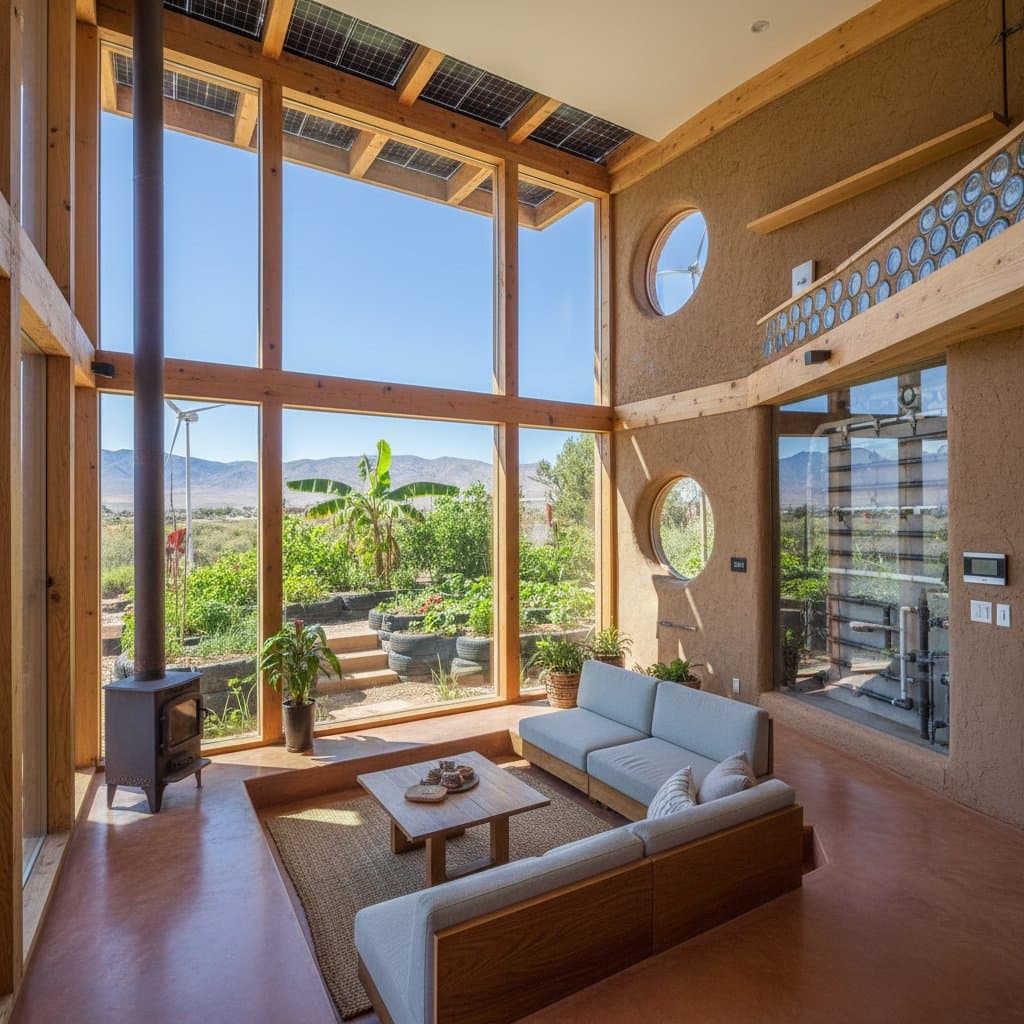
What Are Earthship Homes?
Earthship homes represent a revolutionary approach to sustainable architecture. These structures utilize recycled materials such as tires, bottles, and cans to create self-sufficient dwellings that operate entirely off the grid. Pioneered by architect Michael Reynolds in the 1970s, Earthships integrate passive solar design with natural resource management to provide comfortable living without reliance on public utilities.
The core philosophy behind Earthships emphasizes harmony with the environment. Builders pack earth into used tires to form thick, insulated walls that regulate indoor temperatures naturally. This method not only reduces construction costs but also minimizes waste by repurposing materials that would otherwise end up in landfills.
Residents experience a profound sense of independence in these homes. Systems for water collection, energy generation, and food production are embedded within the design, allowing inhabitants to live sustainably in diverse climates worldwide.
How Earthships Achieve Self-Sufficiency
Generating Power Independently
Earthships harness solar energy through photovoltaic panels mounted on the south-facing roof. These panels convert sunlight into electricity, which batteries store for use during nighttime or cloudy periods. A typical setup powers essential appliances, lighting, and even small heating elements without connection to the electrical grid.
Wind turbines serve as a supplementary source in areas with consistent breezes. This hybrid approach ensures reliable energy availability, reducing dependence on fossil fuels and eliminating monthly utility bills.
Managing Water Resources
Rainwater harvesting forms the foundation of an Earthship's water system. Gutters along the roof direct precipitation into cisterns buried beneath the home. This collected water undergoes filtration through a series of natural and mechanical processes before entering the household supply.
Greywater from sinks and showers receives treatment in interior plant-based systems. These plants purify the water, which then irrigates a greenhouse attached to the home. Blackwater from toilets processes through external septic systems or composting toilets, closing the loop on waste management.
This closed-loop system conserves water effectively. In arid regions, Earthships demonstrate resilience by providing ample supply for drinking, bathing, and gardening needs.
Producing Food On-Site
An integral greenhouse spans the southern exposure of most Earthships. This sunlit space cultivates fruits, vegetables, and herbs year-round, supplying fresh produce directly to the kitchen. The design leverages thermal mass from the walls to maintain stable temperatures, fostering plant growth even in cold winters.
Aquaponic elements sometimes integrate fish farming with hydroponics, enhancing protein sources. Soil from the surrounding landscape enriches outdoor gardens, extending the food production beyond the greenhouse.
Homeowners benefit from reduced grocery expenses and fresher meals. This self-reliance fosters a deeper connection to the land and promotes healthier eating habits.
Maintaining Comfortable Indoor Environments
Passive solar principles drive the thermal performance of Earthships. Large south-facing windows capture winter sunlight, warming the interior spaces. Overhanging roofs block excessive summer heat, while earth-bermed walls provide insulation against extreme temperatures.
Natural ventilation channels air through strategically placed vents and windows. In hot climates, this airflow prevents overheating without mechanical cooling. The result is a stable indoor climate that adapts to seasonal changes seamlessly.
Key Benefits of Earthship Living
Earthships offer financial advantages through zero utility costs. Initial construction expenses offset over time, as owners avoid ongoing payments for electricity, water, and sewage services. Recycled materials further lower building budgets, making sustainable living accessible.
Environmentally, these homes reduce carbon footprints significantly. By generating renewable energy and conserving resources, Earthships contribute to broader ecological health. They serve as models for resilient communities facing climate challenges.
On a personal level, inhabitants gain empowerment through self-sufficiency. The design encourages mindful living and adaptability, enhancing overall well-being. Many residents report a heightened appreciation for simplicity and nature.
Challenges in Building and Maintaining Earthships
Construction demands physical labor and specialized knowledge. Filling tires with earth requires considerable effort, often involving community work parties. Permits and zoning regulations vary by location, potentially complicating the building process.
Maintenance involves periodic checks on solar panels, water filters, and greenhouse systems. While durable, these components need attention to ensure long-term functionality. Initial learning curves exist for those new to off-grid lifestyles.
Despite these hurdles, resources like workshops and online communities provide support. With planning, most challenges become manageable steps toward sustainable independence.
Steps to Build Your Own Earthship
-
Research local regulations and site suitability. Assess sunlight exposure, water availability, and soil conditions to determine feasibility.
-
Design the layout with professional guidance. Consider family size, climate, and desired features like greenhouse space or additional rooms.
-
Gather recycled materials. Source tires, bottles, and cans from local waste facilities or construction sites to keep costs low.
-
Prepare the foundation and walls. Excavate the site, then construct the tire walls by ramming earth into each tire using manual tools.
-
Install utility systems. Mount solar panels, set up cisterns, and integrate the greenhouse before enclosing the structure.
-
Finish interiors and exteriors. Apply natural plasters, install windows, and landscape the surroundings to blend with the environment.
-
Test and refine systems. Monitor performance over the first year, making adjustments to optimize efficiency.
Professional builders or apprenticeships accelerate the process for beginners. This hands-on approach transforms the build into an educational journey.
Embracing a Resilient Future with Earthships
Earthship homes illustrate the potential for harmonious, independent living. They combine innovative design with practical sustainability, offering a blueprint for environmentally conscious lifestyles. As global resources strain under modern demands, these structures provide a viable path to resilience and freedom.
Individuals who adopt Earthship principles contribute to a larger movement toward ecological balance. The rewards extend beyond personal benefits, inspiring communities to prioritize regenerative practices. Consider how such a home aligns with your vision for a self-reliant tomorrow.