
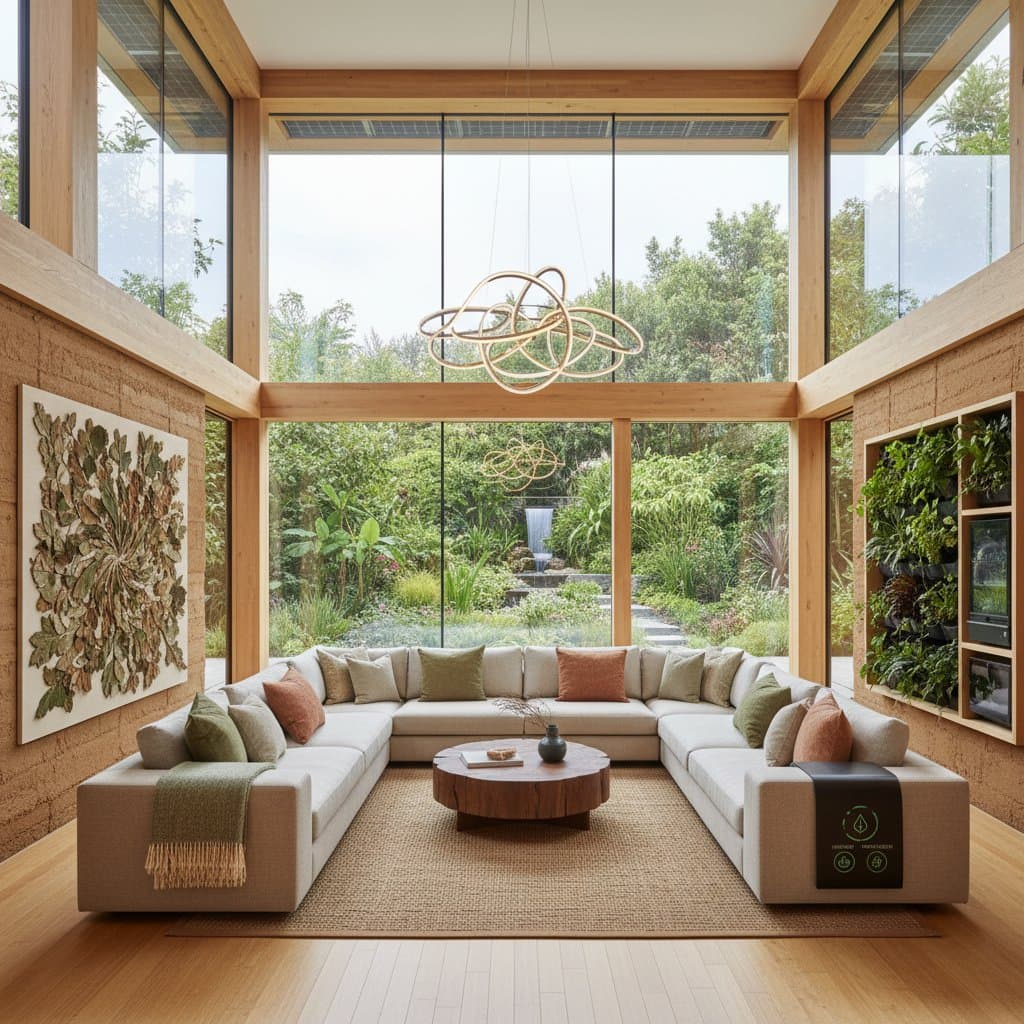
Regenerative Architecture for Homes That Heal Nature
Many homeowners seek ways for their living spaces to support the environment rather than deplete it. Regenerative architecture advances beyond basic efficiency measures. It focuses on designs that actively restore ecosystems, improve air quality, and produce surplus energy.
This method applies to new construction, renovations, or incremental upgrades. Architects and builders increasingly adapt these principles for standard residential projects. The following sections explain core distinctions and provide a practical sequence for implementation.
Distinctions Among Sustainable, Green, and Regenerative Approaches
Three related strategies appear in discussions of eco-conscious building.
- Traditional sustainable design emphasizes reduced consumption and waste minimization.
- Green building incorporates renewable sources and low-impact materials.
- Regenerative architecture requires net positive outcomes for surrounding systems.
The table below clarifies these differences.
| Approach | Primary Goal | Typical Application |
|---|---|---|
| Sustainable | Minimize damage | Reduced utility consumption |
| Green | Shrink overall impact | Addition of solar arrays and recycled components |
| Regenerative | Restore natural functions | On-site energy export, soil regeneration, and habitat creation |
A regenerative residence can cultivate edible plants, export electricity, harvest precipitation, and sustain pollinator populations.
Sequence for Planning or Adapting a Regenerative Residence
Implementation need not occur all at once. Owners can introduce elements progressively.
Evaluate Property Conditions and Daily Routines
Observe sun exposure patterns, drainage paths, and thermal losses throughout the year. These observations inform targeted interventions that align with site realities.
Define Priority Outcomes
Identify whether energy independence, food production, or wildlife support ranks highest. Specific priorities guide material selection and budget allocation.
Assemble Qualified Professionals
Engage designers and contractors who have completed projects that improved local biodiversity or water cycles. Request documentation of measurable environmental gains from prior work.
Select Regenerative Materials
Prioritize components that decompose safely or reenter manufacturing streams. Verify extraction methods and processing locations with suppliers before purchase.
Establish Monitoring Procedures
Incorporate accessible sensors and inspection points during initial design. Regular review of performance data supports timely adjustments across seasons.
Advantages and Tradeoffs
Advantages
- Improved interior air quality through natural ventilation strategies
- Reduced monthly utility expenditures over time
- Enhanced resale value due to durability and system resilience
- Measurable support for nearby soil, water, and species
Tradeoffs
- Elevated upfront expenses for specialized design and components
- Extended review periods for permits and approvals
- Variable availability of certified materials by location
- Requirement for periodic system oversight
Careful sequencing and experienced collaborators address most initial obstacles.
Accessible Adjustments for Existing Properties
Owners can adopt several measures without structural overhaul.
- Subscribe to utility programs that supply power from renewable generators.
- Compost organic waste to enrich garden beds.
- Install fixtures that limit flow rates and direct roof runoff to planting areas.
- Substitute chemical cleaning products with plant-derived alternatives.
- Cultivate herbs, vegetables, and regional flora that attract beneficial insects.
These modifications decrease resource demands while strengthening connections to local conditions.
Integrate Regenerative Features Gradually
Progress occurs through consistent, targeted actions rather than simultaneous overhauls. Select one domain, such as water management or material sourcing, and expand from that foundation. Homeowners who document results often encourage similar efforts among nearby residents.