
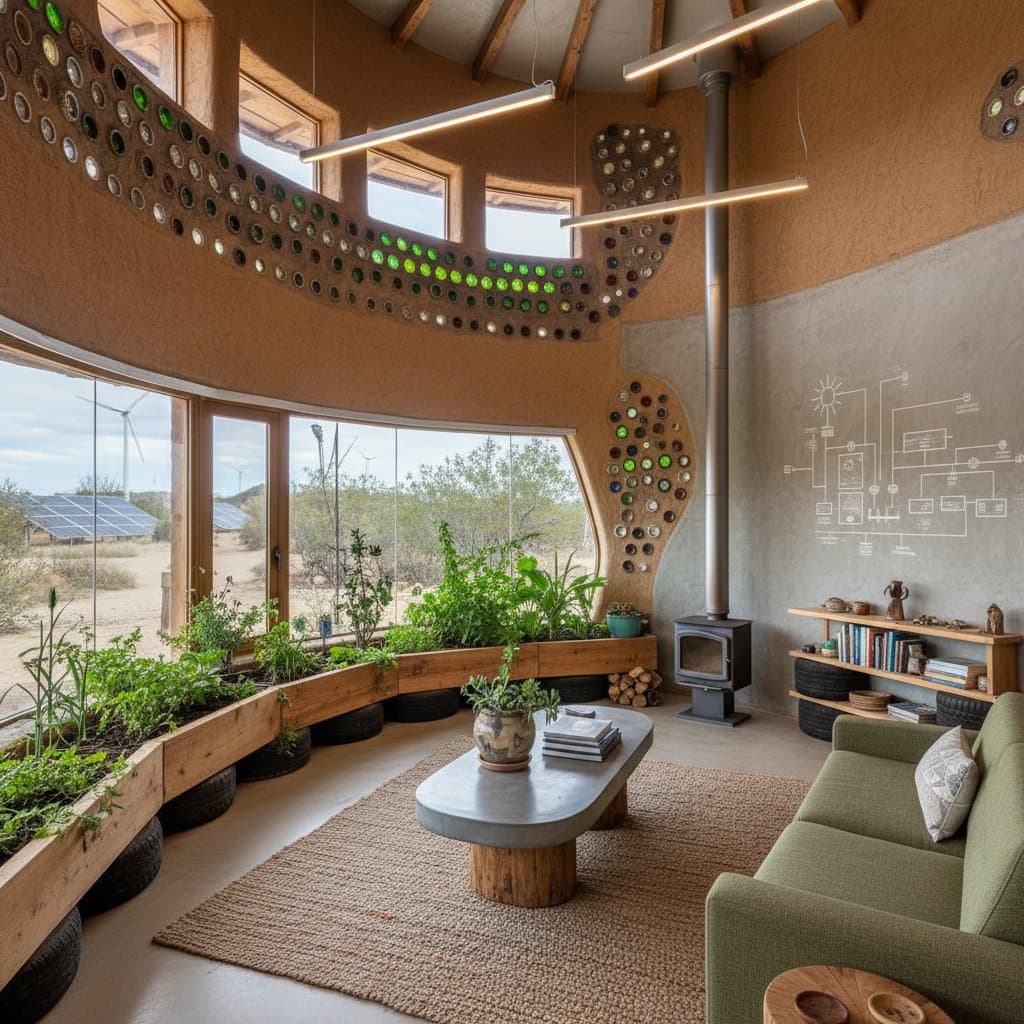
Why Earthship Homes Are Going Mainstream
You might have seen photos of homes built partly into the earth, with curved walls made of tires and bottles, and wondered who would live there. Then you learn that these homes can heat and cool themselves, produce their own water, and even grow food indoors. That is when the idea starts to sound less unusual and more practical.
Across the country, more homeowners are exploring Earthship homes as a serious alternative to conventional construction. Rising utility costs, environmental concerns, and a desire for independence are all pushing this once niche concept into the mainstream.
If you have been curious about what makes an Earthship different from other off grid homes, this guide will walk you through the essentials. You will learn how these homes work, what they cost, and what it takes to build one that meets local codes and modern expectations.
Why More Homeowners Are Considering Earthships
The growing interest in Earthships comes from practical motivations rather than trends.
- Energy independence. With solar panels and passive design, these homes can function without grid electricity.
- Water scarcity concerns. Rainwater harvesting and reuse systems reduce reliance on municipal water.
- Rising construction costs. Using recycled materials can lower material expenses, though labor remains significant.
- Environmental awareness. Many homeowners want to reduce their ecological footprint without giving up comfort.
- Regulatory changes. Some regions now allow alternative building methods once restricted by building codes.
For people who value sustainability and self reliance, Earthships offer a tangible way to live those values daily.
Step by Step Overview for Building an Earthship
- Site Selection. Choose land with good solar exposure, ideally with a south facing slope. Check zoning rules early, as not every county allows alternative construction.
- Design and Permitting. Work with an architect experienced in Earthship design. Submit engineered drawings that show structural integrity, fire safety, and plumbing details.
- Foundation and Tire Walls. Excavate the building site, then begin stacking and compacting tires filled with earth. This stage is labor intensive but forms the backbone of the home.
- Framing and Roofing. Use timber or steel framing for the roof and upper walls. Install insulation and waterproof membranes before setting up rain catchment gutters.
- Windows and Ventilation. Position large windows to face south. Add roof vents or skylights for natural airflow. Proper ventilation prevents humidity buildup, which can damage finishes.
- Interior Finishes. Apply plaster or adobe over tire walls for a smooth finish. Incorporate recycled glass and tile for decorative accents.
- Systems Installation. Complete plumbing, wiring, and water filtration. Test all systems before sealing interior walls.
- Landscaping and Greywater Beds. Establish outdoor treatment cells and plant species suited to your climate. These act as both filtration and landscaping features.
Regional and Legal Considerations
Before breaking ground, research your local building department stance on alternative materials. Some areas classify tire walls as nonstandard structures, requiring an engineer review. In desert or wildfire prone regions, you may need additional fireproofing or drainage systems.
Permitting can be the hardest part of building an Earthship. Bringing the design into compliance with energy and sanitation codes often requires creative collaboration between the homeowner, architect, and inspectors.
Safety and Maintenance Tips
- Inspect roof membranes regularly for leaks that could contaminate stored water.
- Keep electrical systems ventilated to prevent overheating of batteries.
- Monitor greywater lines for blockages or odor.
- Test water quality twice a year if using rainwater for drinking.
- Reinforce any exposed tire walls against UV exposure with stucco or plaster coatings.
These simple habits will keep an Earthship safe and comfortable for decades.
The Growing Appeal of Off Grid Architecture
Interest in Earthships mirrors a broader shift toward homes that use fewer resources while offering more control. People are drawn to the idea of generating their own power and collecting their own water. Unlike some experimental housing trends, Earthships have decades of proven performance in varied climates.
Advances in solar technology, improved water filtration, and easier permit pathways now make this type of home more accessible. Builders have refined construction methods, and materials are easier to source than when the first Earthships appeared.
Planning Your Earthship Project
If you are serious about building an Earthship, start by visiting one. Many communities host tours or offer short workshops that teach the basics of tire pounding, plastering, and system design. This firsthand experience will show you how the concepts translate into real homes.
Next, connect with a designer or engineer familiar with your local codes. They can adapt Earthship principles to meet regional conditions, whether it is heavy rainfall, extreme cold, or specific soil types.
Budget carefully. Plan for both the visible structure and the hidden systems that make it self sufficient. Expect to invest more time in permitting and inspections than with a conventional home, but the payoff is lasting independence.
An Earthship is not just a house made from recycled materials. It is a living system that supports comfort, resilience, and environmental responsibility. As more homeowners discover that balance between sustainability and practicality, Earthship design is moving from the fringe into the future of everyday housing.