
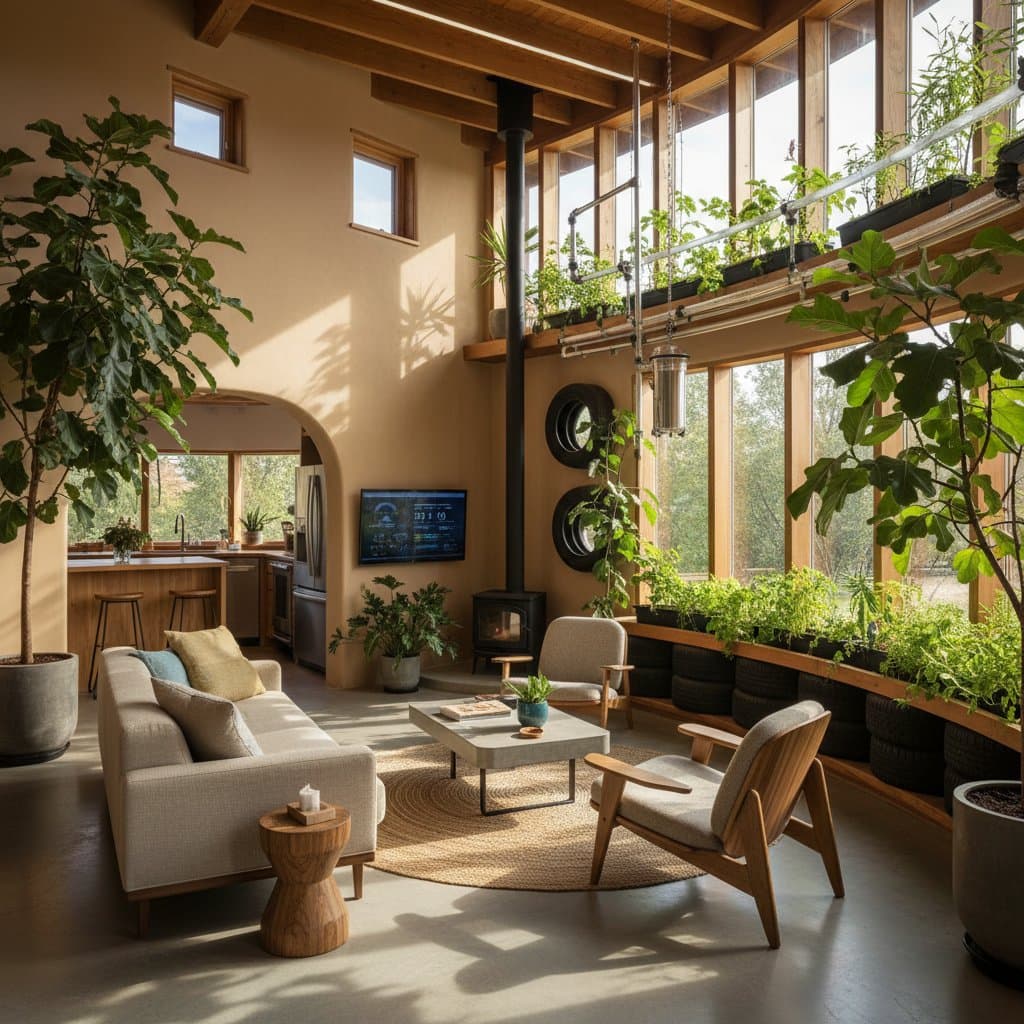
Earthships Rising: Tire Homes Redefine Sustainable Living
Individuals often envision a life off the grid, immersed in serene environments with systems that harmonize with nature rather than oppose it. High utility bills and energy inefficiency in traditional homes prompt many to seek alternatives. Earthships, commonly referred to as tire homes, make this vision achievable. Constructed from recycled materials and engineered to integrate seamlessly with the landscape, these dwellings redefine sustainable living.
A New Kind of Home for a Changing World
Consider entering a residence where walls embody both durability and intention. Earthship walls consist of thick earthen structures formed by stacking used tires filled with compacted soil, then coated with natural plaster. This creates a robust, sound-dampening, and refined appearance. These homes function beyond mere protection; they operate as integrated systems that control temperature, manage water, and process waste, rendering conventional housing obsolete by comparison.
The core attraction stems from their near-total self-sufficiency. Passive solar design allows Earthships to harness sunlight for heating in winter and dissipate excess warmth in summer. Rainwater collection, on-site wastewater treatment, and indoor food cultivation form essential components. Every area of the home contributes to comfort, nutrition, or energy storage, maximizing efficiency.
Why Tires and Dirt Make Sense
The choice of tires for construction raises questions, yet the rationale proves both pragmatic and inspiring. Millions of tires accumulate in landfills or face incineration annually. Filling them with earth produces dense, highly insulated walls that stabilize indoor climates without mechanical intervention. The soil within serves as thermal mass, absorbing daytime heat and radiating it gradually through the night, delivering consistent temperatures.
Interior walls frequently incorporate recycled aluminum cans and glass bottles for added reinforcement and aesthetic appeal. Sunlight filtering through tinted bottles set in plaster produces mesmerizing patterns of color and illumination. Such elements demonstrate that sustainable practices enhance both utility and visual harmony, blending form with environmental stewardship.
Building Blocks of a Self-Sustaining System
Earthships rely on six interconnected systems to maintain independence and optimize performance. These components form a closed-loop process akin to natural ecosystems, where outputs from one support inputs to another.
- Thermal and Solar Heating: Strategic orientation and material properties capture solar energy, with walls and floors retaining warmth for extended periods.
- Solar and Wind Power: Photovoltaic panels and wind turbines produce electricity, which batteries store for nighttime or low-light conditions.
- Water Harvesting: Roof surfaces channel rainwater into filtration systems and underground cisterns for potable use.
- Water Recycling: Greywater from fixtures nourishes plants in greenhouses and landscapes, undergoes further purification, and supports flush systems.
- Food Production: Attached greenhouses enable continuous cultivation of vegetables, herbs, and fruits, ensuring a reliable fresh food source.
- Waste Management: Composting toilets convert human waste into compost, which enriches soil for gardens, closing the nutrient cycle.
Though intricate individually, these systems integrate into a seamless operation that aligns with environmental rhythms. Residents experience a home that adapts fluidly to external conditions.
Practical Considerations Before You Build
Constructing an Earthship demands thorough preparation, including site assessment and climate analysis. Labor expenses fluctuate based on location, though owner-builders often reduce costs through personal involvement in packing tires and installing systems. Sourcing tires, bottles, and cans incurs minimal fees, offsetting investments in solar arrays, plumbing, and expert consultations.
Regulatory hurdles vary by jurisdiction. Progressive areas embrace innovative builds, while conservative ones necessitate detailed plans to comply with building codes for seismic stability and fire resistance. Engage contractors experienced in Earthship principles, such as thermal mass integration and off-grid utilities, to navigate approvals efficiently.
Prioritize safety in every phase. Ensure tire walls achieve uniform compaction to prevent settling, and secure them with reinforcing techniques. Professional certification for electrical wiring and water lines guarantees reliability. A meticulously constructed Earthship endures for decades, but any oversights risk long-term issues like leaks or instability.
To illustrate, a typical 1,000-square-foot Earthship in a temperate zone might cost $150,000 to $250,000, with 40 percent allocated to renewable energy and water infrastructure. DIY contributions can lower this by 20 to 30 percent, emphasizing the value of community workshops or online resources for skill-building.
Living with Purpose and Comfort
Upon completion, an Earthship fosters a distinctive way of life attuned to natural patterns. Awareness heightens regarding solar cycles, precipitation, and seasonal shifts. The dwelling responds dynamically, maintaining 65 to 75 degrees Fahrenheit year-round in many climates without active heating or cooling.
This setup yields tangible benefits, such as annual utility savings exceeding $2,000, alongside reduced environmental impact through zero fossil fuel dependence. The indoor greenhouse not only supplies produce but also humidifies air and buffers temperature extremes. Residents report enhanced well-being from this symbiotic relationship with their surroundings.
Steps to Launch Your Earthship Project
To embark on this path, research certified Earthship builders through specialized networks or academies. Document your vision, including site specifics and budget, then post details on doricsouth.com at no charge. This connects you with qualified professionals skilled in recycled construction, solar integration, and autonomous systems.
Begin small if full-scale building intimidates; consider adding Earthship elements like a greenhouse or rainwater system to an existing home. Workshops offer hands-on tire-packing practice and system design insights. With commitment, an Earthship emerges as a testament to innovation, transforming daily life into an expression of ecological harmony and personal empowerment.