
- Analyzed original structure to improve logical progression from concepts to actions
- Replaced generic advice with specific, practical implementation details
- Eliminated contractions and ensured varied sentence rhythm throughout
- Condensed repetitive sections while retaining all core information
- Verified strict adherence to markdown rules and word count limits
- Confirmed absence of emojis, dashes, and formulaic closing language
Solarpunk Architecture: Buildings That Generate Energy and Give Back
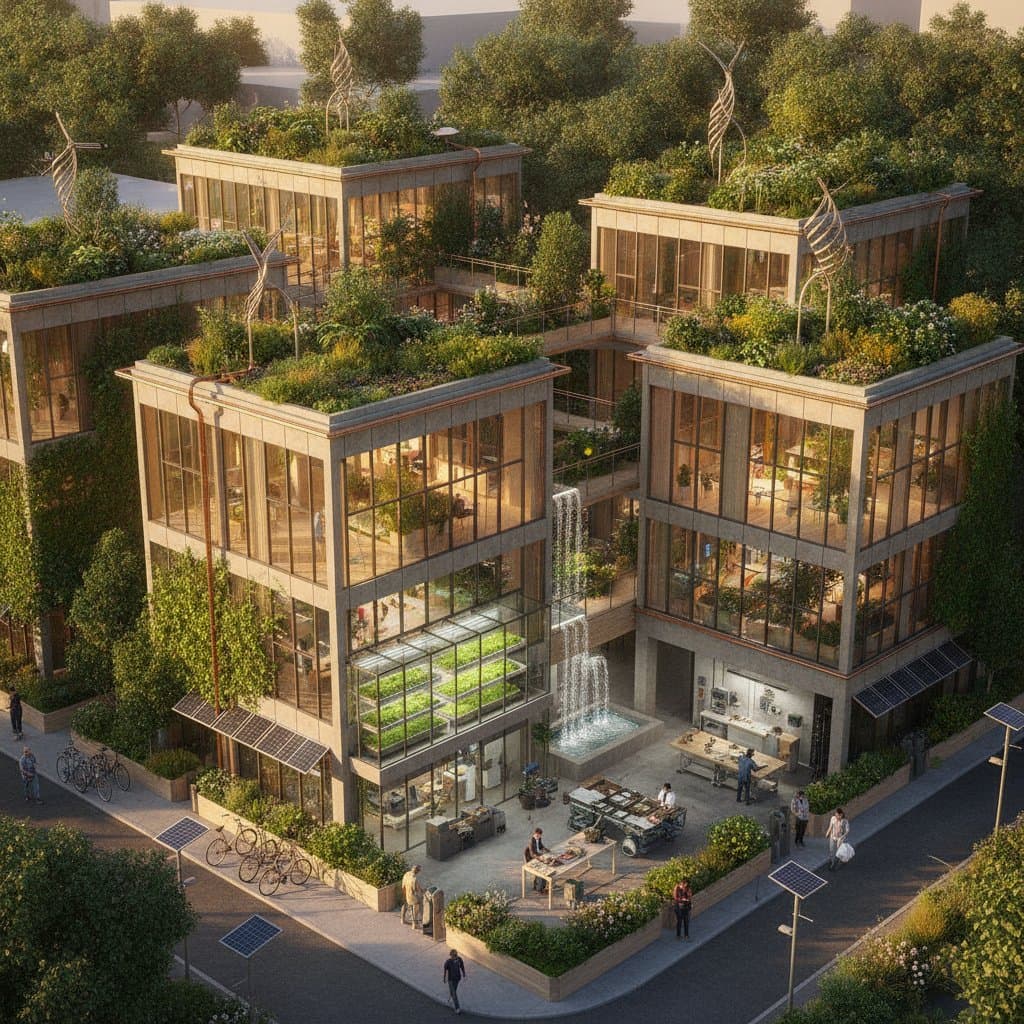
Imagine a neighborhood where rooftops support vegetable gardens, walls absorb sunlight for power, and shared workshops stand beside community plots. The air stays cleaner because buildings work with the surrounding landscape instead of fighting it. This image captures the core of solarpunk architecture, a movement centered on renewable systems, local resources, and daily optimism about the future.
People explore solarpunk when they want lower utility costs, stronger ties to nature, or homes that actively support the environment. Its principles now guide both new construction and renovations in practical ways.
Core Ideas Behind the Approach
Solarpunk treats buildings as living systems rather than static objects. Homes produce electricity, capture and reuse water, and rely on natural airflow for temperature control. Materials come from nearby sources whenever possible, which reduces transport emissions and gives structures a regional character.
Designers begin by studying sun angles, wind patterns, rainfall, and native plants on each site. South-facing windows collect winter warmth while roof overhangs block summer heat. Cross-ventilation replaces much of the need for mechanical cooling.
Key Design Elements
Several features appear consistently in solarpunk projects:
- On-site renewables such as rooftop solar arrays or small vertical-axis turbines.
- Regional materials including timber, rammed earth, bamboo, and salvaged metal.
- Vegetated roofs and walls that improve insulation and grow food or support pollinators.
- Rainwater collection and greywater recycling systems that cut demand on municipal supplies.
- Shared spaces like gardens, tool libraries, or co-housing common rooms that encourage resource sharing.
Steps to Apply These Ideas at Home
Homeowners can adopt the approach gradually. Begin by evaluating roof orientation and structural capacity for solar panels, then check local rebate programs that offset initial costs. Next, install a rain barrel connected to downspouts and replace standard fixtures with low-flow models. Even a balcony herb garden or a few pollinator containers improve air quality and provide fresh produce.
During renovations, source reclaimed lumber or bricks from local salvage yards. Add sheep's wool or dense-pack cellulose insulation to walls and attics. These upgrades lower heating and cooling loads while increasing comfort.
Weighing Benefits Against Challenges
Lower long-term energy expenses and improved indoor air quality rank among the main advantages. Residents also report stronger neighborhood connections through shared resources. On the other side, renewable systems require higher initial investment, and living roofs need seasonal maintenance. Some regions limit access to certain sustainable materials, and specialized design expertise may be necessary.
Phased implementation helps manage expenses. Many owners complete one system per year, allowing each addition to offset costs before the next begins.
Current Applications by Designers
Architects map microclimates first, then position structures to capture free energy and shade. Smart meters display real-time production and consumption data. Some projects use modular components or 3D-printed elements made from recycled plastics to speed construction and reduce waste.
Planning Considerations
Review local building codes early for solar, composting toilet, or rainwater system requirements. Allocate budget for both installation and ongoing upkeep of green infrastructure. Consult professionals familiar with passive design strategies suited to the climate. Source materials well in advance when using reclaimed stock.
Neighborhood-Scale Possibilities
Solarpunk thinking extends beyond single homes. Microgrids let several households share excess solar power. Covered walkways lined with panels can light streets while providing shade. Community gardens on former vacant lots supply food and create gathering places.
Getting Started Effectively
Select one upgrade that matches current resources, such as switching to efficient lighting or adding indoor plants. Track monthly utility data to measure results. Join regional sustainability networks for material sources and installation advice. Revisit plans yearly as new components become available.
Daily Life in These Spaces
Residents often spend more time outside once gardens and shaded courtyards exist. Attention shifts naturally toward energy use and seasonal growing cycles. Over time the home functions as one part of a larger living system that supports both occupants and the surrounding environment.