
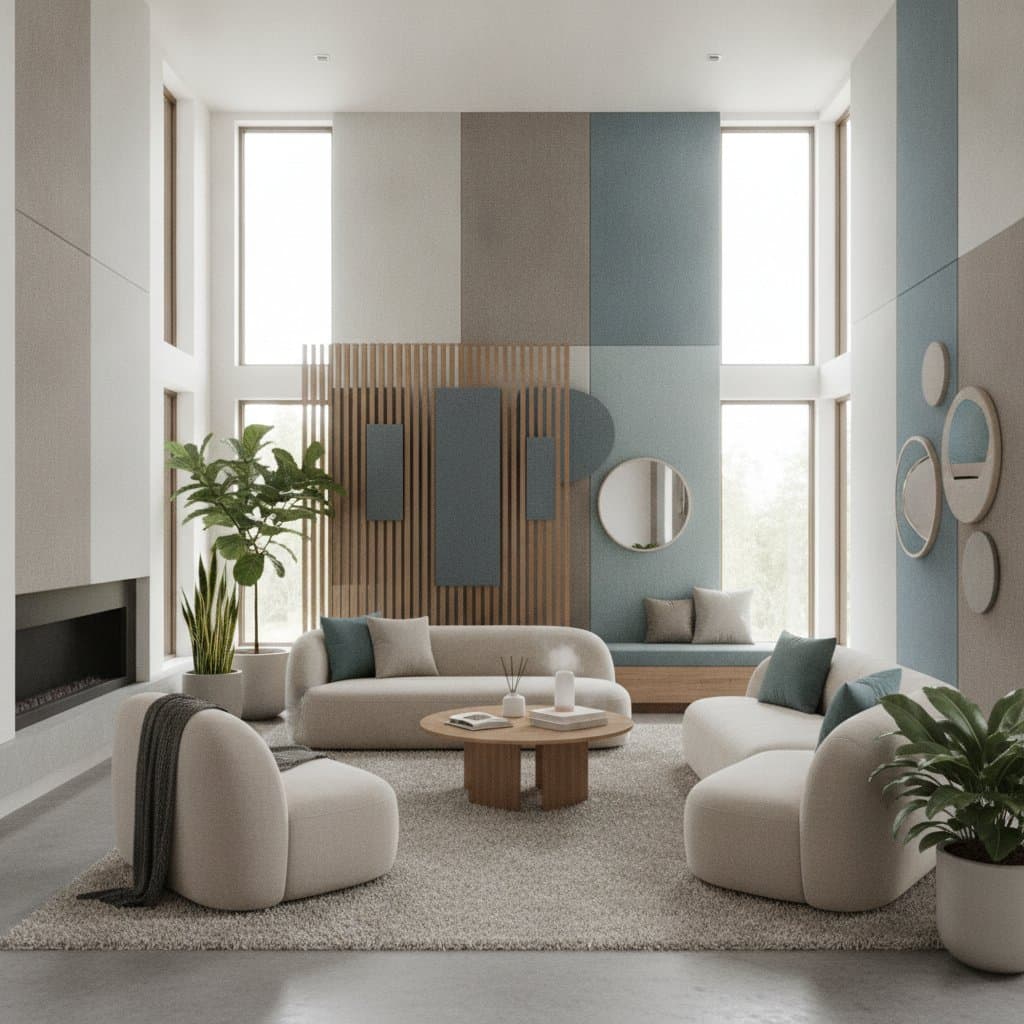
Acoustic Homes That Shape Sound for Greater Wellness
Have you ever noticed how a room sounds and how that changes your mood? Echoes in a living room or constant noise in a kitchen can make spaces feel unsettled. Sound often goes unnoticed yet directly influences comfort and daily experience. Thoughtful acoustic design turns these elements into support for relaxation and focus.
Acoustic homes serve anyone seeking better rest and concentration. They do not require specialized interests in audio. Instead they focus on practical adjustments that reduce harshness and promote balance throughout daily routines.
How Sound Influences Daily Experience
Noise levels affect stress responses and concentration more than many realize. Persistent echoes create a sense of emptiness while controlled acoustics allow voices to carry clearly. Balanced sound supports restful sleep and smoother interactions among household members.
When acoustics feel right footsteps soften and background sounds recede into the background. This creates an environment where mental clarity improves without extra effort.
Core Principles of Acoustic Design
Acoustic design guides how sound travels reflects or absorbs within rooms. It involves selecting materials and shapes that manage reflections and block intrusions. Three primary approaches guide most improvements.
- Absorption uses soft materials such as wool rugs heavy curtains and fabric panels to reduce excess sound.
- Diffusion employs irregular surfaces like bookshelves or slatted screens to spread sound evenly.
- Insulation relies on solid barriers including sealed doors and double pane windows to limit outside noise.
These methods combine to produce calm without creating complete silence.
Practical Steps for Improvement
Small targeted changes often deliver noticeable results without major construction. Begin by observing specific rooms where sound issues appear most frequently.
- Walk through each space and note locations with echoes or intrusive noise such as open plan living areas or home offices.
- Introduce soft furnishings including area rugs upholstered seating and floor length curtains to absorb reflections immediately.
- Install decorative acoustic panels that resemble artwork or mount standard panels out of direct view with costs typically ranging from one hundred to five hundred dollars.
- Apply weatherstripping around doors and windows to close gaps that allow sound leakage.
- Treat hard ceilings with acoustic tiles or suspended wood elements to prevent downward sound bounce.
- Arrange furniture and decor to break up large flat surfaces that reflect sound.
Implement changes gradually and assess the difference after each adjustment.
Advantages for Health and Productivity
Balanced acoustics allow the body to relax more readily during rest periods. Many people report improved sleep quality sharper focus during work and reduced overall fatigue. Households often experience easier conversations because voices travel without strain or repetition.
Remote workers benefit from fewer distractions and clearer separation between work and personal time. These shifts in sound quality contribute to steadier daily rhythms.
Situations That Call for Expert Assistance
Properties near busy roads or with shared walls may require measurements beyond basic treatments. Specialists can assess specific conditions and recommend tailored solutions. Professional involvement commonly ranges from several hundred to several thousand dollars based on scope.
Experts help avoid unnecessary purchases by identifying effective materials and layouts from the start. They also address any regulatory requirements during larger projects.
Options Across Different Budget Levels
Acoustic improvements fit various spending ranges while delivering progressive benefits.
- Low cost approaches rely on existing items such as rugs curtains and filled bookshelves for results under three hundred dollars.
- Mid level upgrades include purpose made panels improved window seals or additional insulation within five hundred to fifteen hundred dollars.
- Higher end installations feature integrated wall systems or custom ceiling treatments that achieve refined quiet across entire homes.
Select the level that matches current priorities and living patterns.
Integrating Acoustics With Interior Style
Modern acoustic solutions complement rather than compete with existing decor. Panels appear in wood finishes printed fabrics or subtle textures that align with room aesthetics. Many options remain nearly invisible once installed.
Consider sound qualities when selecting finishes just as lighting choices set atmosphere. Living areas benefit from softer absorption while kitchens maintain clarity without harshness. Bedrooms gain from maximum sound control for rest.
Observing Changes in Your Environment
Begin by paying attention to how each room sounds during normal activities. Test one or two adjustments and notice shifts in comfort over several days. Consistent attention to these details builds a space that supports well being through both appearance and sound.