
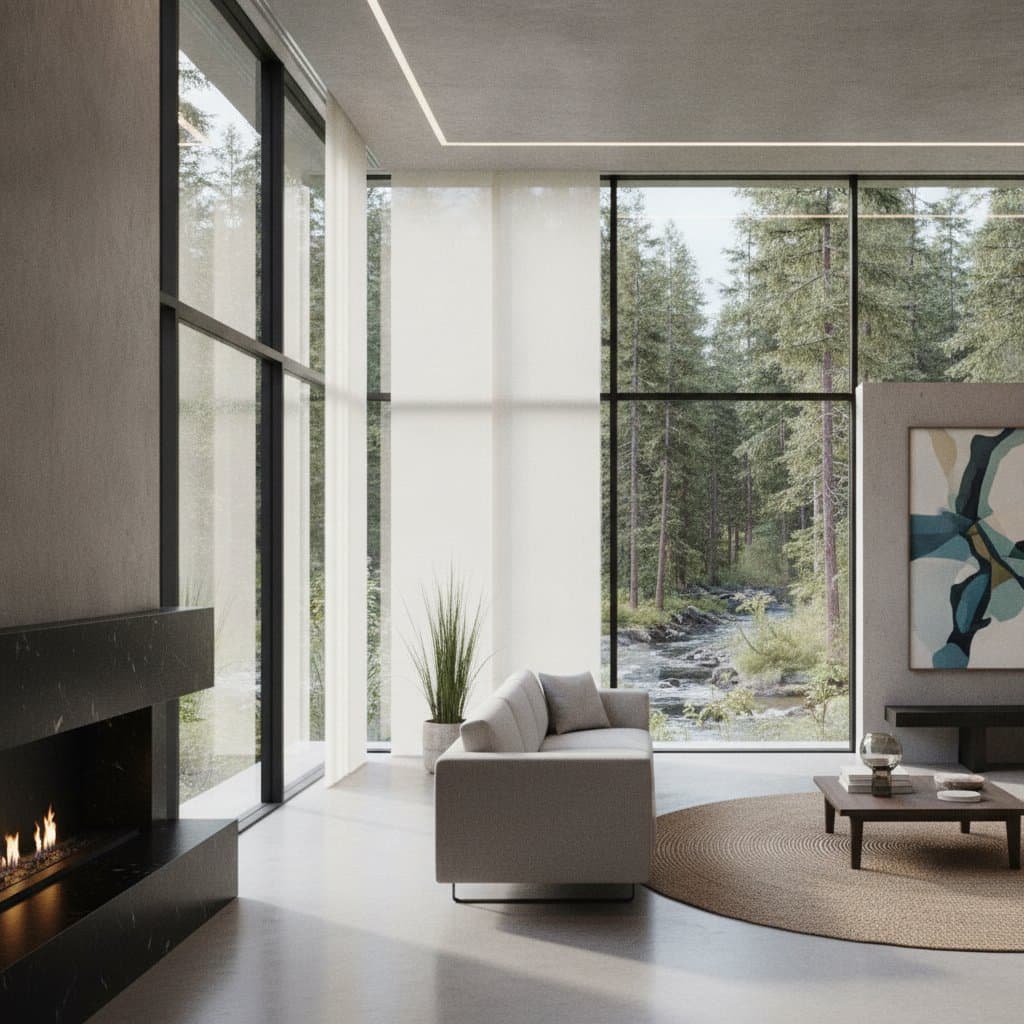
Glass Homes Redefining Privacy in Contemporary Design
Have you ever looked at a glass home and wondered how anyone could live in something so open? It seems like a dream for natural light but a challenge for privacy. Yet more homeowners are turning to glass heavy architecture and discovering that transparency does not always mean exposure. A home can feel connected to nature while remaining private and secure.
If you are considering more glass in your next home project, you may be weighing the trade offs between openness and comfort. Modern design has found creative ways to make glass homes practical, efficient, and surprisingly private. This guide breaks down how glass homes are changing what privacy means, what to expect if you are interested in this style, and how you can make it work for your space and lifestyle.
The New Definition of Privacy
Privacy in a glass home is no longer about solid walls or closed blinds all day. It is about smart design and thoughtful materials. Modern architecture treats privacy as something flexible and responsive. Instead of hiding behind walls, you can shape privacy through light, angles, and strategic placement.
A glass home can face a private garden instead of a busy street. It can use frosted glass in key spots. Privacy can also be dynamic, changing with time of day or activity. Architects are now designing spaces that feel open but controlled. You can see out without being seen in. This shift is redefining what it means to feel private at home.
Smart Glass Technology
One of the biggest privacy breakthroughs has been smart glass. This technology allows glass panels to change from clear to frosted with a switch or remote control. Some versions respond automatically to light levels.
Smart glass uses a special film or liquid crystal layer between panes. When electricity passes through, the crystals align, making the glass clear. When the current stops, it becomes opaque.
The advantages include instant privacy without curtains or blinds, a sleek and modern look, and reduced glare and heat gain. The drawbacks include higher installation cost per square foot, often two to three times more than regular glass, and the need for power or controls that may require maintenance.
If you are building new, integrating smart glass is easier than adding it later. For existing homes, you can retrofit specific windows or doors for key areas like bathrooms or bedrooms.
Design Considerations Before You Build
If you are serious about adding large glass areas or designing a mostly transparent home, planning is critical. The choices you make early will affect comfort, energy bills, and long term maintenance.
Here are key considerations to discuss with your architect or contractor.
Orientation and Sunlight
Glass homes can get warm quickly. South or west facing walls may need special coatings or shading elements to prevent overheating. North facing glass brings in softer light that is easier to manage.
Insulation and Energy Use
Double or triple glazing keeps indoor temperatures stable. Look for glass with low emissivity coatings that reflect heat while allowing light. This can reduce heating and cooling costs significantly over time.
Safety and Security
Tempered or laminated glass is stronger and safer. It holds together if broken, reducing injury risk. You can also install discreet locks or security film for extra protection.
Maintenance
Glass needs regular cleaning, especially with large panels. Consider accessibility when choosing window height and placement. Some homeowners hire professional window cleaners two or three times a year.
Budget
Expect higher costs for specialized glass and framing systems. Standard insulated glass might cost a few hundred dollars per panel, while smart or structural glass can reach several thousand. Include installation, shading elements, and cleaning access in your budget plan.
Bringing Privacy into the Design Process
You can start shaping privacy long before construction begins. During the design phase, focus on how each area of the home will feel at different times of day.
Here is a simple process to guide you.
- Map visibility by walking the property and noting what neighbors or passersby can see. Identify areas that need the most privacy.
- Plan zones by dividing the home into public living areas, semi private offices or guest rooms, and private bedrooms or bathrooms.
- Use view corridors to direct sightlines toward natural features like trees or fences. Avoid placing large glass panels facing neighboring windows.
- Integrate screens early because built in louvers or movable panels can look awkward if added later. Incorporate them into the design from the start.
- Test lighting by visiting the site at night to see how interior lights affect visibility from outside. You may discover easy fixes like dimmers or shaded lamps.
This kind of planning helps you feel confident about living comfortably in a transparent structure.
Sustainable Advantages of Glass Homes
Modern glass is more than a design feature. It can also support sustainable living when used correctly. Daylight use reduces reliance on artificial lighting during daytime hours. Thermal efficiency from high performance glass helps regulate indoor temperature. Material longevity means quality glass panels can last decades with minimal degradation. Recyclability makes glass one of the most recyclable building materials available.
If sustainability matters to you, combine energy efficient glass with natural ventilation, solar control films, and insulated frames. This approach reduces energy bills and your environmental footprint.
Starting with Glass Elements
If the idea of a glass home excites you, start small. You do not need to build an entire transparent house to enjoy the effect. A glass walled living room, enclosed courtyard, or sunroom can give you the same feeling of openness without full exposure.