
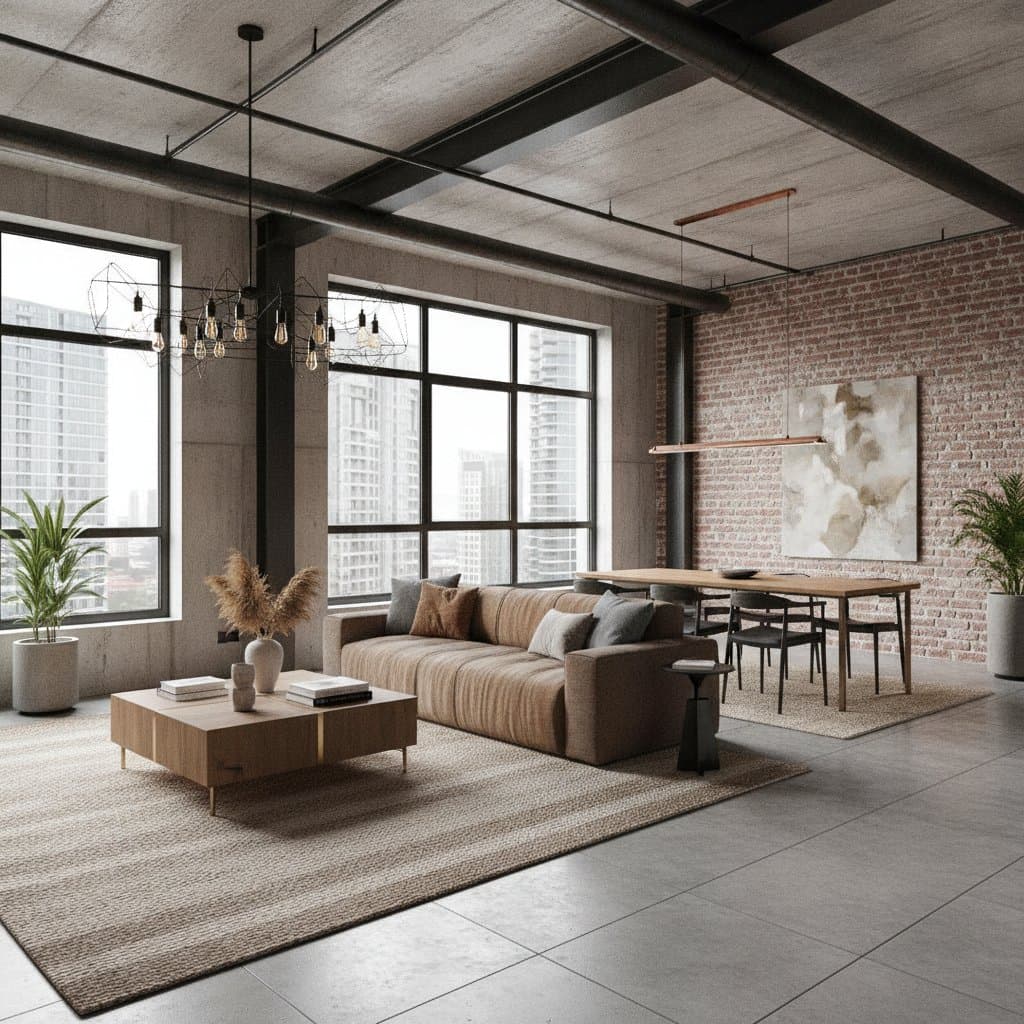
Unfinished Luxury: Why Raw Exposed Interiors Are Viral
Have you ever entered a room and felt drawn to rough concrete walls or visible wooden beams? The surfaces may appear incomplete yet convey style and intention. This effect defines raw exposed interiors. The approach converts structural materials into statements of modern design.
More homeowners now retain original surfaces rather than conceal them behind layers of finish. The choice highlights material honesty and produces a sense of calm through reduced visual noise.
Core Reasons the Style Resonates
Raw exposed interiors display the actual building components. Concrete, steel, and timber remain visible and contribute texture and color. The combination delivers industrial clarity alongside natural warmth.
The approach succeeds for several practical reasons. It reveals authentic materials without added coatings. It adapts to minimal, rustic, or contemporary schemes. It expands the perceived size of compact rooms. It suits both premium renovations and modest updates.
The trend originated in warehouse conversions and has since appeared in houses, offices, and hospitality spaces. Designers value the grounded quality that contrasts with highly finished surfaces.
Evolution Into a Considered Luxury
Early examples of exposed construction arose from budget limits or preservation needs. Designers later recognized the visual interesttextures and color variations. These qualities provide character that uniform finishes rarely achieve.
Current definitions of luxury emphasize thoughtful selection over flawless surfaces. A concrete wall gains refinement when paired with considered lighting and furnishings. Contrast remains essential. Rough ceilings appear deliberate beside linen textiles and timber seating.
Proper sealing adds cost yet produces a distinctive result that feels personal to the space.
Steps to Introduce the Style
Assess Existing Surfaces
Examine walls, ceilings, and floors for brick, concrete, or timber. Professional inspection identifies safe areas for exposure and flags wiring or structural concerns that require attention before work begins.
Select Limited Focal Points
Expose one wall or column rather than an entire room. Maintain clean finishes on remaining surfaces to prevent visual overload and preserve balance.
Combine Textures Deliberately
Pair raw materials with smoother elements. Place wool rugs on concrete floors or position timber tables against brick. These pairings signal intention instead of neglect.
Use Warm, Layered Lighting
Select bulbs with warm color temperatures and add floor lamps or wall sconces. Metal pendants can complement the materials while preventing a stark appearance.
Apply Protective Treatments
Seal concrete and brick to limit moisture absorption and dust. Budget for professional application on larger areas or complete the work yourself on smaller sections with appropriate products.
Advantages and Limitations
Raw surfaces reduce the need for repeated painting or refinishing. They age with character and integrate with varied color schemes. Texture appears without additional decoration.
Potential drawbacks include an overly industrial result if too many surfaces remain exposed. Some materials require ongoing maintenance to control moisture. Temperature can feel low without added textiles or color.
Budget and Timeline Considerations
Costs vary according to existing conditions. DIY uncovering of small sections involves mainly labor and sealant purchases. Contractor involvement increases expense when structural adjustments or extensive sealing are necessary. Allow time for furniture and lighting selections that complete the scheme.
Safety and Alternative Options
Verify insulation, wiring, and moisture levels before any removal of finishes. Breathable sealants and adequate ventilation reduce mold risk. When structural exposure is impractical, consider panels or textured coatings that replicate the appearance with lower disruption.
Personal Character Through Material Honesty
Exposed construction records the history of a building through visible marks and variations. Each surface differs from the next, creating individuality that mass-produced finishes cannot replicate. The method also supports reduced material waste by retaining what already exists.