
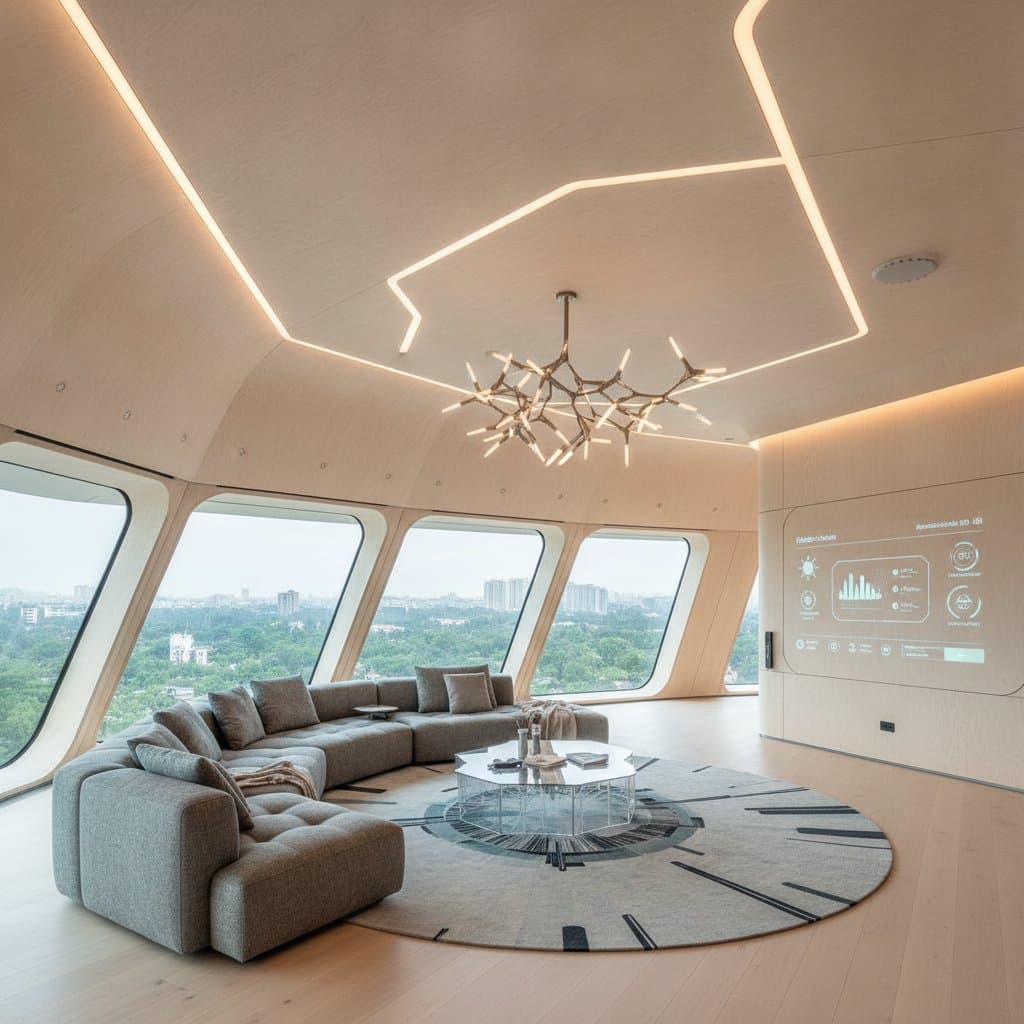
Homes That Adapt to Sunlight Using Algorithms
Parametric Design: Creating Dream Homes with Algorithms
Scrolling through home design ideas often reveals repetitive layouts and predictable facades. Creativity appears limited once blueprints reach the construction phase. A different approach involves homes that respond to sunlight, adapt to daily routines, and fit specific plots of land. Parametric design achieves this outcome by combining algorithms with creative input to produce efficient and striking residences.
Understanding the Opportunity
Parametric design applies algorithms to generate forms, structures, and arrangements from actual data inputs. Designers establish parameters such as light exposure, airflow patterns, or material performance instead of sketching plans manually. The software then evaluates numerous variations and yields results that serve both practical needs and visual goals. Homeowners gain access to options beyond standard models because the process tailors each element to individual living patterns.
A roof form can direct rainwater into collection systems. Window positions can prioritize morning light while reducing afternoon heat gain. These choices demonstrate how the method integrates appearance with measurable performance.
How Parametric Design Works in Residential Projects
Parametric design connects every component through defined mathematical relationships. A change in one input automatically adjusts related elements throughout the model. The workflow typically follows four stages.
- Define goals and constraints. The architect records priorities such as privacy levels, solar collection targets, or ventilation needs. These priorities become fixed parameters.
- Generate digital models. Software creates multiple versions that respond to site orientation, local climate data, and material limits. Homeowners review balanced options that address both appearance and function.
- Analyze and refine. The team evaluates each version for energy performance, occupant comfort, and visual quality. Data guides adjustments while preserving design intent.
- Bring the design to construction. Selected models convert into detailed documents. Digital fabrication equipment handles complex shapes with improved accuracy.
The Practical Side of Algorithmic Architecture
Parametric homes deliver concrete advantages beyond visual appeal. Climate responsive features adjust to regional conditions by capturing prevailing winds or limiting solar heat. Resource efficiency improves because algorithms calculate exact material quantities and reduce excess. Energy performance benefits from precise solar orientation and insulation values that lower operating costs over time. Personalization occurs when circulation patterns, workspace lighting, or family activity zones receive priority in the parameter set.
Budget and Timeline Considerations
Initial modeling requires additional design hours compared with conventional methods. This investment reduces field changes and material waste during construction. Architectural fees may exceed standard rates, yet improved coordination often offsets the difference. Revision cycles shorten because parameter updates propagate automatically. Permitting follows established procedures, although unusual forms may need extra engineering verification.
Choosing the Right Team
Successful projects require architects experienced with computational tools and builders comfortable with precise fabrication methods. Professionals should demonstrate prior work with algorithmic modeling and digital production techniques. Early collaboration ensures the digital model translates into a durable, code compliant structure.
Living with Parametric Design
Completed homes exhibit natural movement of light across surfaces and purposeful spatial sequences. Every detail supports ongoing performance rather than requiring later corrections. Occupants notice improved comfort from the first day because the design accounts for daily patterns and environmental conditions.
Exploring Your Options
Homeowners who value responsiveness to light, material efficiency, and long term adaptability can begin by listing core priorities. Consultation with qualified professionals then converts those priorities into workable parameters and eventual construction.