
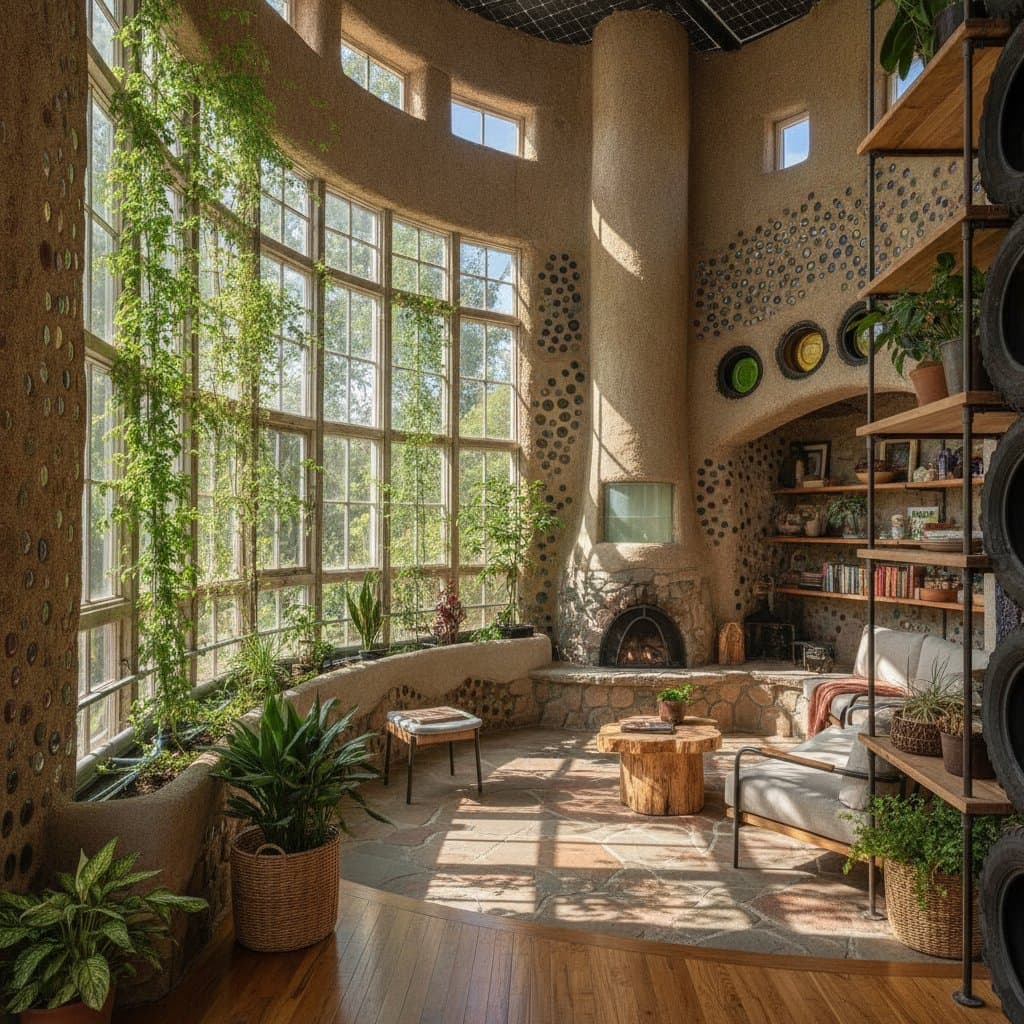
Earthship Homes Blend Sustainability With Bold Design
You have been dreaming of a home that feels deeply connected to nature yet still delivers modern comfort. Imagine waking up in a sunlit space built from earth, glass bottles, and reclaimed tires. Your walls breathe and your energy bills nearly disappear. That is the promise of an Earthship home. It turns sustainability into art and self-sufficiency into everyday living.
The Appeal of the Earthship Concept
At its heart, the Earthship philosophy centers on independence. These homes function completely off the grid. They collect their own water, generate their own power, and even grow food indoors. The appeal lies in their resourcefulness and resilience. They offer a sense of freedom that few conventional homes can match. For those who crave a life with less waste and more intention, an Earthship provides a meaningful path forward.
How Earthships Work
An Earthship is built from recycled and natural materials. Old tires packed tight with earth form thick, insulating walls. Glass bottles and aluminum cans create colorful mosaics that double as structural components. Solar panels power the home. Strategically placed windows and skylights regulate indoor temperature through passive heating and cooling. Rainwater is collected and filtered. Greywater systems reuse household water for gardens or toilets.
These design choices allow an Earthship to function efficiently in almost any climate. The heavy, earth-filled walls hold heat during the day and release it at night. They keep the interior comfortable with minimal mechanical intervention. The system feels both ancient and innovative.
Building One Step by Step
If you are tempted to transform your property into an off-grid haven, start with a clear plan.
- Site Selection. Choose land with good solar exposure and natural drainage. Earthships rely on sunlight for heat and energy, so orientation matters.
- Design and Permits. Work with an architect familiar with off-grid living. Some regions require additional approvals for unconventional materials or water systems.
- Construction. Compact earth into tires. Stack them into walls. Seal gaps with adobe or plaster. Recycled glass adds both light and artistry.
- Systems Integration. Install solar panels, water filtration systems, and ventilation tubes. Each component supports the home self-sufficiency.
- Finishing Touches. Infuse personal design flair through locally sourced woodwork, hand-sculpted walls, or indoor gardens that thrive under natural light.
Practical Considerations
While the dream of off-grid living is inspiring, it comes with real-world logistics. Building costs vary widely depending on size, materials, and location. Some owners spend modestly by contributing labor. Others invest significantly to create architectural showpieces. Always factor in the learning curve of maintaining renewable systems and sourcing reclaimed materials. Local building codes may require extra documentation or inspections, especially for alternative water and electrical setups.
Living with Purpose
Once complete, an Earthship feels alive. The temperature remains steady. The air stays fresh. Every drop of rain has a purpose. The relationship between you and your home becomes more collaborative. You learn how sunlight influences your daily rhythm and how waste can be transformed into value. The space itself becomes a teacher in sustainability and patience.
Connecting with Builders
If the idea of living in a recycled, self-sufficient masterpiece excites you, take the first step by connecting with experienced Earthship builders. Post your project on doricsouth.com for free to be matched with vetted contractors who understand eco-conscious construction. With the right guidance, you can transform your plot of land into a bold statement of sustainable living. Design and responsibility coexist beautifully.