
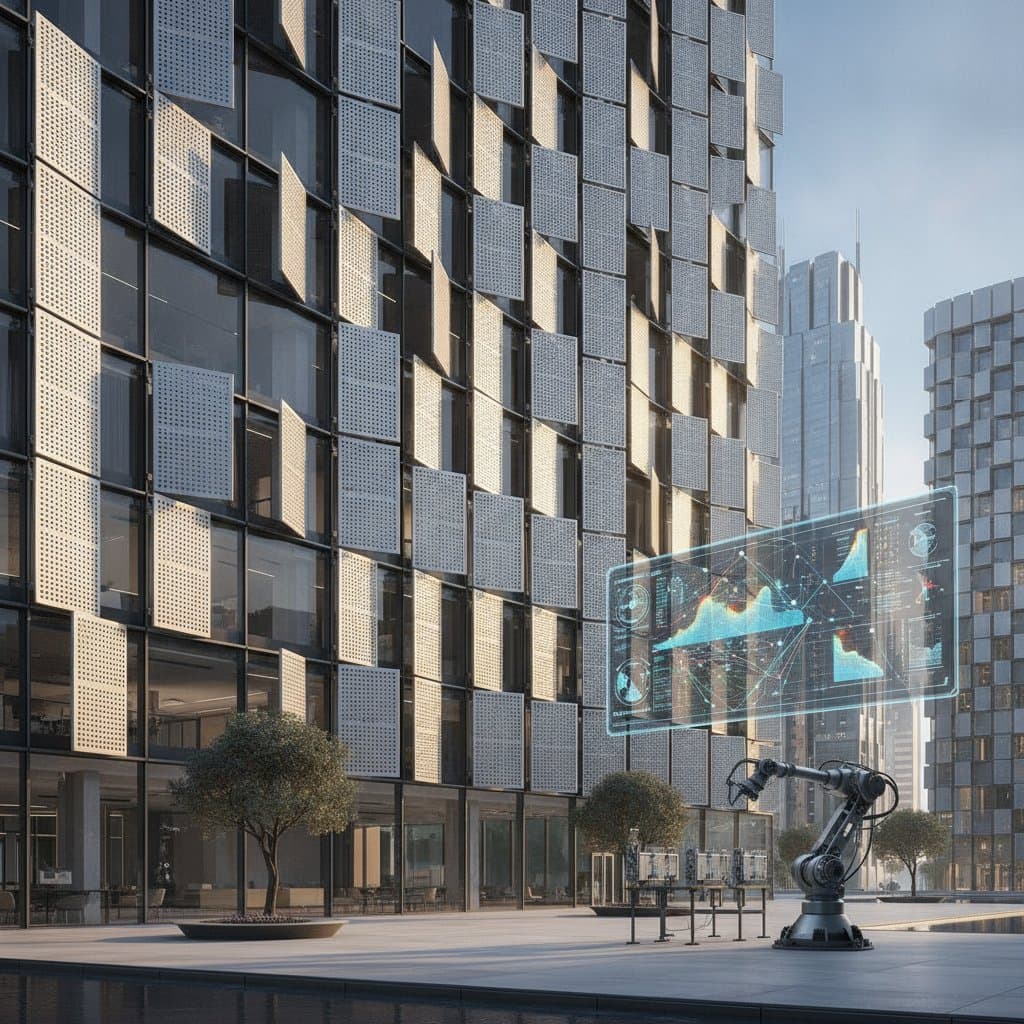
Why Algorithmic Facades Are Transforming Architecture
Imagine walking past a building whose surface seems to move with the light, shifting in color and pattern as the day changes. It looks alive, yet every panel, joint, and curve follows a precise digital logic. That is the reality of algorithmic facades, a design approach reshaping how architects think about building envelopes. What once required thousands of hours of manual drafting can now evolve through computational rules that balance beauty, performance, and constructability.
For homeowners, developers, and designers alike, algorithmic design may sound abstract, but it is already shaping the spaces people live and work in. The technology behind these facades is not about style for style’s sake. It is a practical tool that helps control energy use, material waste, and cost. Understanding how this process works opens new possibilities for both large-scale projects and smaller developments looking for functional innovation.
The Problem with Conventional Facades
Traditional building facades often rely on repetitive patterns and static materials. They can be visually consistent but limited in how they respond to environmental changes. For instance, a glass curtain wall might look sleek but can lead to high heat gain, glare, and energy inefficiency. Solutions like shading devices or tinted glazing help, but they are often applied as afterthoughts rather than integrated design strategies.
Architects and builders have long faced the challenge of creating facades that perform well while maintaining aesthetic appeal. The more complex the geometry or performance requirement, the harder it becomes to design and fabricate using manual methods. That is where algorithmic design steps in. It allows designers to encode performance goals directly into the design process, producing facades that adapt to site conditions, climate, and even budget constraints.
The Algorithmic Advantage
An algorithmic facade is generated through a set of mathematical rules, or algorithms, that define how shapes, materials, and structures relate to one another. These rules can adjust automatically based on inputs like sun orientation, wind flow, or structural load. In practical terms, this means a building can “think” through its geometry long before construction begins.
Instead of drawing each component by hand, architects use parametric modeling tools that link design elements together. When one element changes, the rest update automatically. This system creates adaptive, data-driven designs that are both efficient and visually dynamic.
Real-World Benefits
- Energy Efficiency: Algorithmic facades can respond to sunlight, reducing cooling loads in hot climates and improving thermal comfort inside.
- **Material ** By simulating performance before fabrication, architects can cut material waste significantly.
- Design Flexibility: Custom panel shapes and patterns are easier to produce digitally, allowing for unique aesthetics without excessive cost.
- Precision Fabrication: Digital models feed directly into fabrication equipment, improving accuracy and reducing onsite errors.
- Long-Term Performance: Adaptive designs can extend a building’s lifespan by managing environmental wear and maintenance needs more effectively.
How Algorithmic Facades Work
The process begins with data. A design team collects environmental, structural, and aesthetic parameters. These might include solar angles, local wind patterns, occupant comfort levels, or available materials. Using a parametric software platform, the architect builds a digital model that links all these variables. The model becomes a living system that can test hundreds of variations in seconds.
For example, if sunlight intensity is too high in summer, the algorithm can adjust panel angles or introduce shading elements automatically. If cost limits material choices, the program can search for configurations that meet both performance and budget targets. The result is a balanced design solution that would be impossible to achieve through manual drafting.
Key Tools and Technologies
- Parametric Modeling Software: Programs like Grasshopper or Dynamo connect geometry to data, allowing quick testing of multiple options.
- Environmental Simulation Tools: These assess daylight, energy use, and thermal performance in real time.
- Digital Fabrication Equipment: CNC machines, laser cutters, and 3D printers translate complex designs into precise components.
- Material Tracking Systems: These ensure that designs align with sustainable sourcing and lifecycle goals.
Each of these tools contributes to a feedback loop between design and construction. The process remains grounded in architectural intent but gains efficiency and reliability through automation.
Design to Fabrication: A Step-by-Step Look
- Concept Definition: The architect outlines goals such as shading, visual transparency, or acoustic performance.
- Parameter Setup: Variables like panel size, orientation, and material type are defined in the model.
- Algorithm Development: Rules are written to control how these variables interact. The system can test combinations until it finds the most efficient layout.
- Simulation and Refinement: Environmental data is applied to verify performance metrics. Designers adjust inputs and rerun simulations as needed.
- Fabrication Preparation: The digital model generates files for fabrication machines. Every panel or frame is labeled and ready for assembly.
- Installation and Calibration: Once on site, the facade system is installed with precision. Some advanced systems even include sensors to adjust in real time.
This workflow reduces design errors, shortens project timelines, and ensures the final product meets both aesthetic and technical expectations.
Cost and Practical Considerations
Algorithmic design does not always mean higher cost. While software and digital fabrication require upfront investment, the efficiency and precision they bring can offset expenses in labor and materials.
- Software and Setup: Entry-level parametric modeling can be integrated into existing design workflows with modest training costs.
- Fabrication Costs: Custom panels may seem expensive, but when optimized through algorithms, they can often use less material and reduce waste.
- Project Scale: Larger projects benefit most financially, but smaller buildings can still gain performance advantages that pay off through lower energy use.
- Timeline: Algorithmic workflows can shorten design phases significantly. Fabrication may take the same or less time depending on complexity.
When evaluating costs, it helps to look at total lifecycle value. A facade that cuts energy use and maintenance can save thousands of dollars over its lifespan.
Safety and Compliance
Every digital design still must meet local building codes and structural requirements. Algorithmic tools make compliance easier by testing multiple scenarios automatically. Still, final engineering review is essential.
- Structural Integrity: Always confirm that algorithms include structural loading conditions.
- Fire and Safety Codes: Materials chosen must meet regional fire ratings and safety regulations.
- Permitting: Some jurisdictions require documentation of digital modeling methods. Check with local authorities early in the design phase.
Hiring an experienced architect or engineer familiar with algorithmic design ensures that creative freedom remains grounded in safety.
Environmental and Regional Impact
The adaptability of algorithmic facades makes them especially valuable in addressing climate challenges. In hot, arid regions, perforated metal screens can reduce solar gain while maintaining airflow. In colder climates, layered glazing with dynamic shading can capture passive heat. By tailoring each design to local conditions, algorithmic methods promote both comfort and sustainability.
These facades also support responsible material sourcing. Since every component is digitally tracked, builders can calculate embodied carbon, optimize transportation logistics, and select eco-friendly materials with confidence. This transparency benefits both clients and regulatory agencies focused on green building standards.
When to Hire a Professional
While some aspects of algorithmic design can be explored through user-friendly software, professional oversight is vital for real-world projects. Architects trained in parametric modeling understand how to balance aesthetics, performance, and constructability. They can also coordinate with fabricators who translate digital models into physical components.
If you are considering an algorithmic facade for a residential or commercial project, start by consulting a design team experienced in digital fabrication. They can assess whether your goals justify the investment and identify practical ways to integrate computational methods into your budget and schedule.
Common Misconceptions
“Algorithmic equals expensive.” Not necessarily. While the tools are advanced, the efficiency they bring can reduce long-term costs.
“It is only for futuristic buildings.” Many algorithmic facades are subtle and functional rather than flashy. They can blend seamlessly with traditional materials.
“It removes human creativity.” Algorithms assist, not replace, the designer. The artistic direction still comes from human intent, while computation handles complexity.
“It is too complicated to maintain.” Once installed, most algorithmic facades require no more maintenance than conventional ones unless they include moving parts or sensors.
Understanding these realities helps owners and builders approach the technology with realistic expectations.
Making It Happen
If you are planning a new construction or major renovation, consider how a data-driven approach could enhance your project. Begin with a clear set of goals: energy performance, visual identity, daylight control, or material efficiency. Share these with your architect and ask how computational modeling might support them.
For builders, investing in training or partnerships with digital fabrication specialists can expand capabilities and attract new clients. The learning curve is manageable, and the payoff is a competitive edge in a quickly evolving market.
Homeowners can also benefit indirectly. As algorithmic design becomes more common, its principles are influencing everything from custom shading systems to prefabricated panels. Even smaller projects can now access tools that used to be limited to major developments.
Living with Algorithmic Architecture
Algorithmic facades represent a shift in thinking about what a building’s skin can do. Instead of a static surface, the facade becomes an active participant in the building’s performance. It balances light, temperature, and aesthetic expression through precise, data-informed design.
The result is not only visual appeal but also measurable efficiency. As fabrication technology becomes more accessible, algorithmic design will likely become a standard approach rather than a niche practice.