
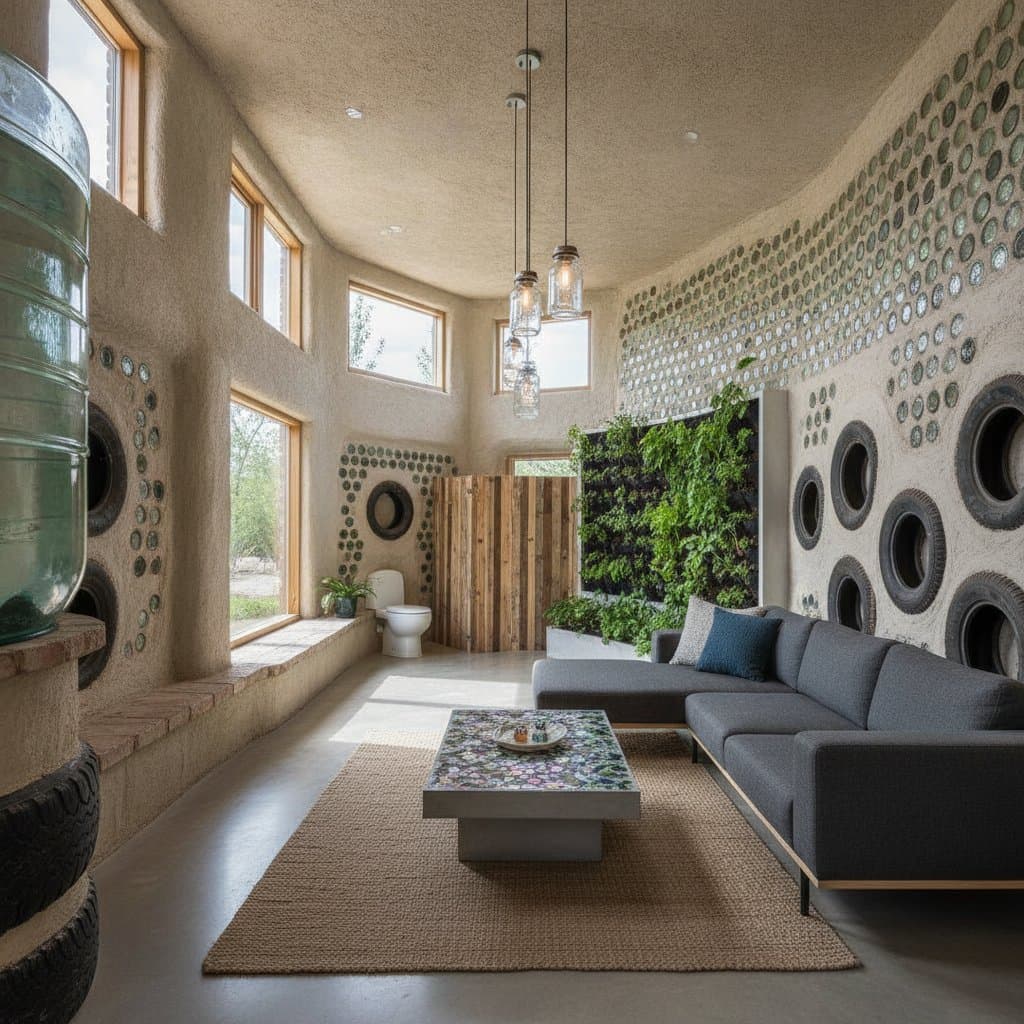
Earthship Revival: Sustainable Homes from Recycled Tires
Imagine walking into a home that stays warm in winter and cool in summer without relying heavily on electricity. The walls feel solid, the air is fresh, and the building itself seems to breathe with the landscape. If that sounds appealing, you may be looking at an Earthship, a type of sustainable home that is gaining new attention among homeowners seeking independence and lower environmental impact.
The Problem: Rising Costs and Environmental Pressure
Traditional housing is expensive to build, heat, and cool. Many homeowners face increasing utility bills, limited building materials, and growing environmental concerns. Standard construction often relies on lumber, concrete, and steel, which demand high energy inputs and generate waste.
As energy costs rise and building codes tighten, the search for affordable, efficient alternatives has become urgent.
The Opportunity: Building with What We Already Have
Earthships offer a practical solution by turning discarded materials into durable, self-sufficient homes. The concept uses used tires, bottles, and cans packed with earth to form thick, insulated walls. These materials are abundant, inexpensive, and often free.
The design combines passive solar heating, rainwater harvesting, and natural ventilation, creating a structure that can operate largely off-grid. Homeowners interested in sustainability appreciate that Earthships reuse waste and reduce dependence on fossil fuels. The approach is not theoretical. It is a hands-on method that blends engineering, architecture, and environmental awareness.
How Earthships Work
The core of every Earthship is the tire wall system. Each tire is packed tightly with soil, creating a dense mass that stabilizes temperature inside the home. Exterior walls are often bermed into the landscape, adding natural insulation. South-facing windows in northern regions or north-facing windows in southern regions capture sunlight to heat the space.
Interior walls and floors made from adobe or plaster help regulate humidity and store heat. The roof typically collects rainwater, which is filtered and reused for drinking, bathing, and irrigation. Solar panels or small wind turbines often supply electricity, while greywater systems recycle water for plants or toilets. Many designs include greenhouses that produce fresh vegetables year-round.
Step-by-Step: Building the Structure
- Site Selection: Choose land with good solar exposure, stable soil, and access for material delivery. Sloped terrain can help with drainage and passive design.
- Foundation and Tire Walls: Lay out the floor plan, then stack tires filled with compacted soil. Each course is staggered for stability.
- Interior Finishing: Cover the tire walls with adobe or plaster. Use recycled glass, cans, or bottles to form decorative and light-transmitting features.
- Roof and Utilities: Install a waterproof roof membrane, solar panels, and rainwater collection systems. Plan plumbing and wiring to fit the off-grid layout.
- Final Touches: Add ventilation tubes, greenhouse glazing, and finish surfaces with natural materials for durability.
Practical Considerations
Building an Earthship requires physical labor and patience. A small home might cost between 150 and 250 dollars per square foot if you hire professionals, though owner-builders can reduce costs through sweat equity. Permitting can be complex since many regions have building codes not designed for alternative materials.
Consulting a structural engineer and local building department early can prevent delays. Safety is critical. Tire pounding is strenuous and should be done with proper protective gear. Electrical and plumbing systems must meet local standards. While some homeowners take on much of the work themselves, others hire experienced Earthship builders for key stages like structural framing or solar installation.
Long-Term Value
Well-built Earthships have low operating costs and minimal maintenance needs. The thick walls resist fire and extreme temperatures. The design can adapt to various climates with adjustments in insulation and glazing. Many owners find the experience of living in a space made from reclaimed materials deeply rewarding.
Next Steps for Interested Builders
If you are intrigued by the idea of living in a home that reuses waste and produces its own energy, start small. Visit an existing Earthship or take a workshop to understand the methods. Gather local resources, connect with experienced builders, and study your regional codes. With planning and persistence, you can build a home that not only saves money but also helps the planet breathe a little easier.