Why Terrazzo Is the Hottest 2026 Flooring Comeback
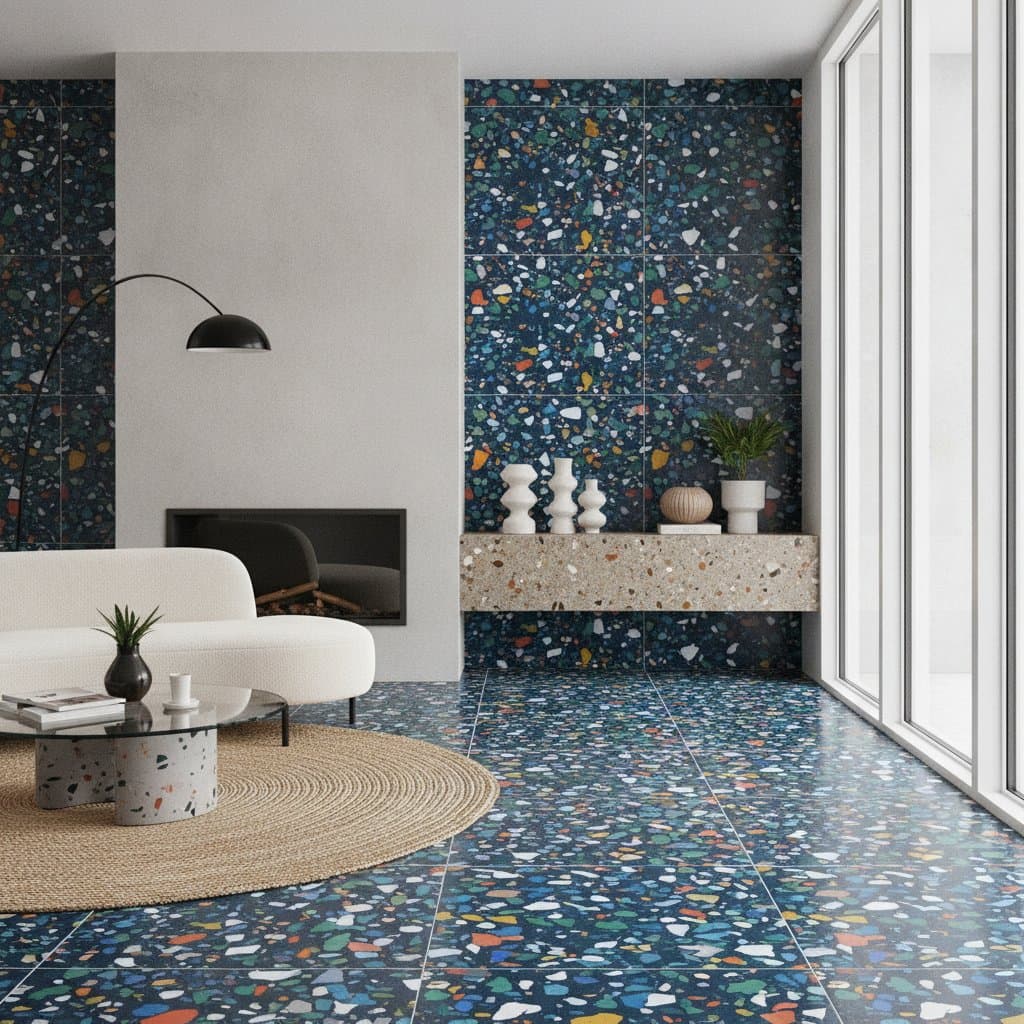
Terrazzo blends recycled materials, durability, and design versatility. This classic surface now suits contemporary homes through floors, counters, and accents while supporting sustainable living.
Showing articles 13 - 24 of 773
Terrazzo blends recycled materials, durability, and design versatility. This classic surface now suits contemporary homes through floors, counters, and accents while supporting sustainable living.
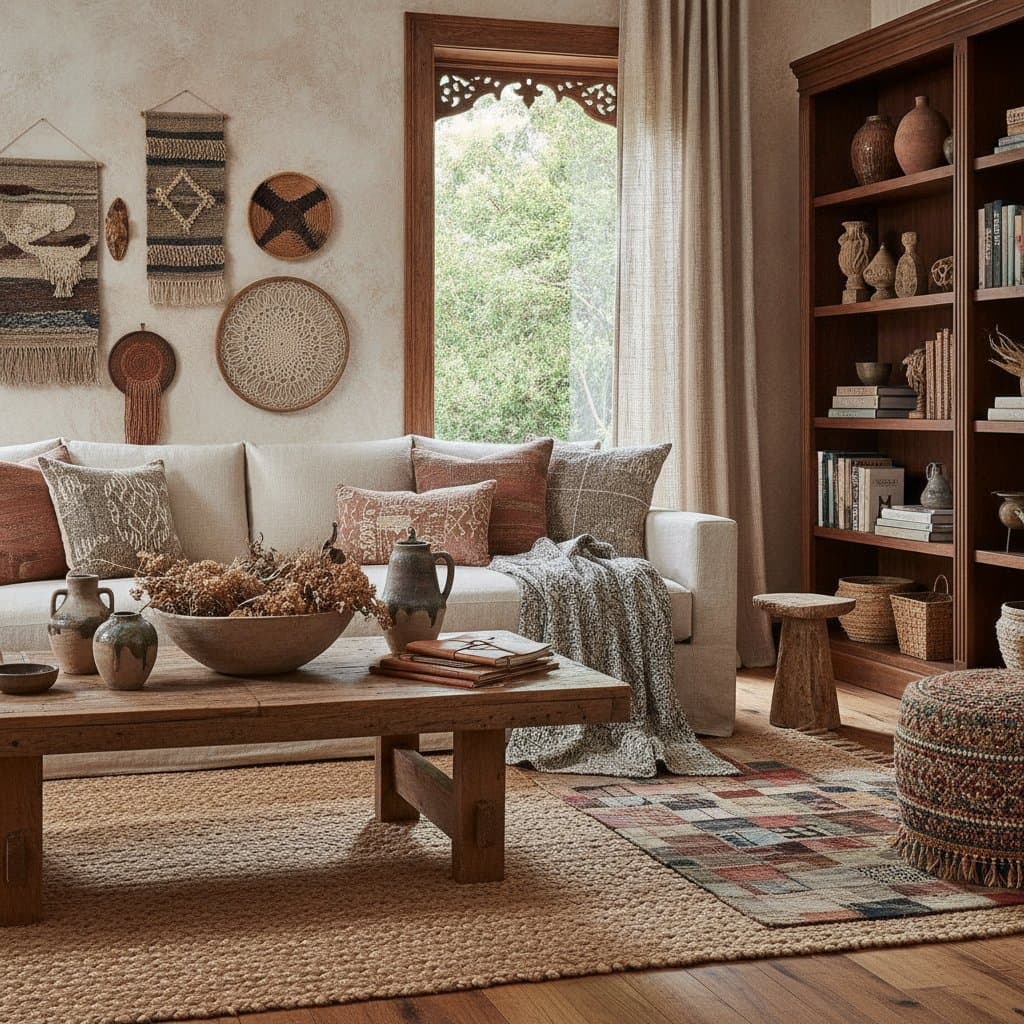
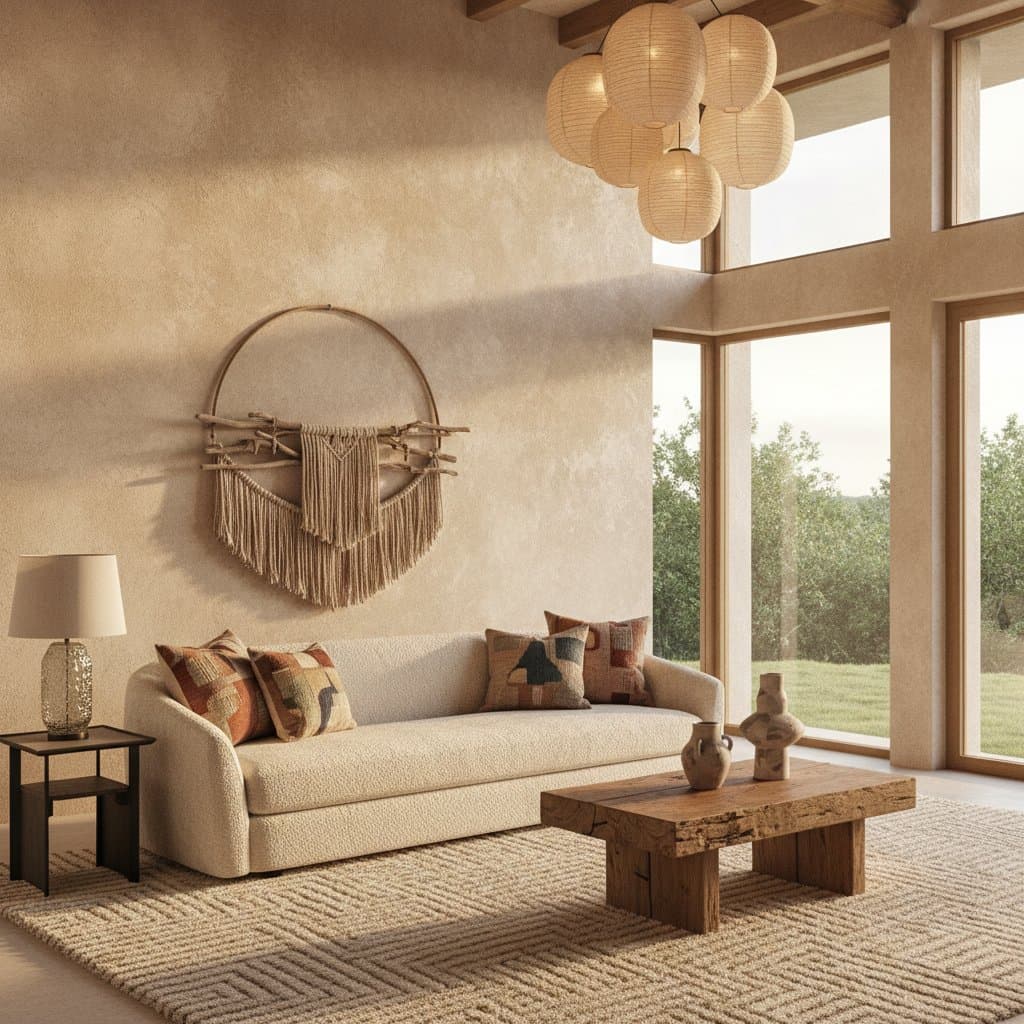
Handcrafted textures restore warmth and authenticity to modern spaces. Options such as limewash walls, handmade tiles, and natural wood add depth while pairing with clean layouts. Guidance covers selection, integration, and care.
Explore how acoustic design improves home comfort. From soft furnishings to targeted panels these methods reduce stress enhance focus and create peaceful living spaces.
Color-blocked facades bring bold personality to home exteriors through strategic use of contrasting colors and materials. This modern trend enhances architectural features, boosts curb appeal, and allows creative expression without major renovations.
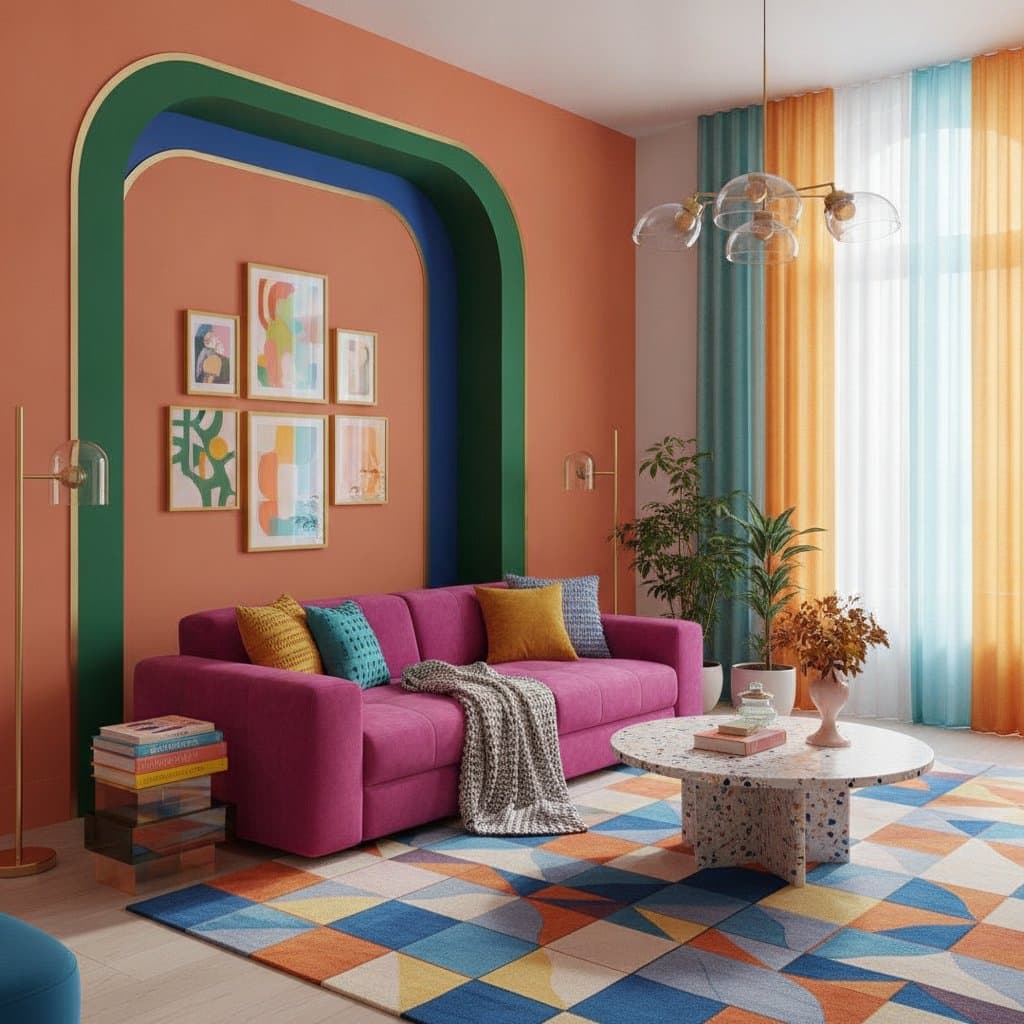
Discover how dopamine decor transforms your home into a mood-boosting haven through intentional color choices. From energizing living rooms to serene bedrooms, learn how to balance bold hues with soothing neutrals, apply the 60-30-10 rule, and create joyful spaces that reflect your personality.
Discover how luxury meets sustainability beneath the surface with earth-sheltered homes. These designs use the earth for insulation, energy efficiency, and tranquility. From bermed to fully underground structures, they offer comfort, privacy, and long-term savings.
Wabi-Sabi design for 2026 homes favors natural materials, muted palettes, and the quiet appeal of imperfection. This guide explains core ideas and provides clear steps to introduce the style without major renovation.
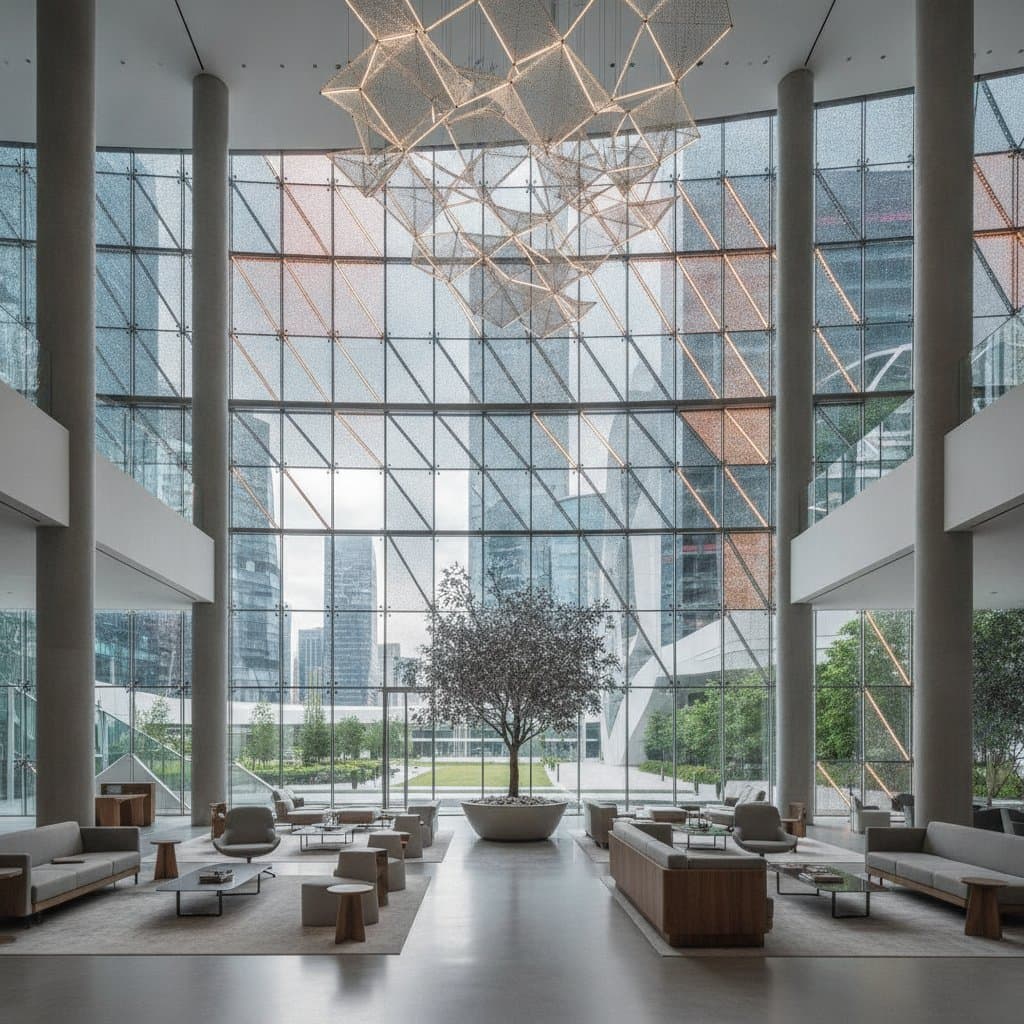
Glass homes challenge the idea that transparency means vulnerability. Modern design blends openness with privacy through smart layouts, layered materials, and advanced glass technology that supports energy efficiency and emotional well being.
Architects and builders adopt hempcrete, mycelium, bamboo, and similar materials to create durable, low-emission spaces that regulate moisture and reduce environmental impact.
Raw exposed interiors convert structural materials into refined design statements. Discover the reasons behind the trend and the concrete steps required to introduce the look while maintaining comfort and durability.
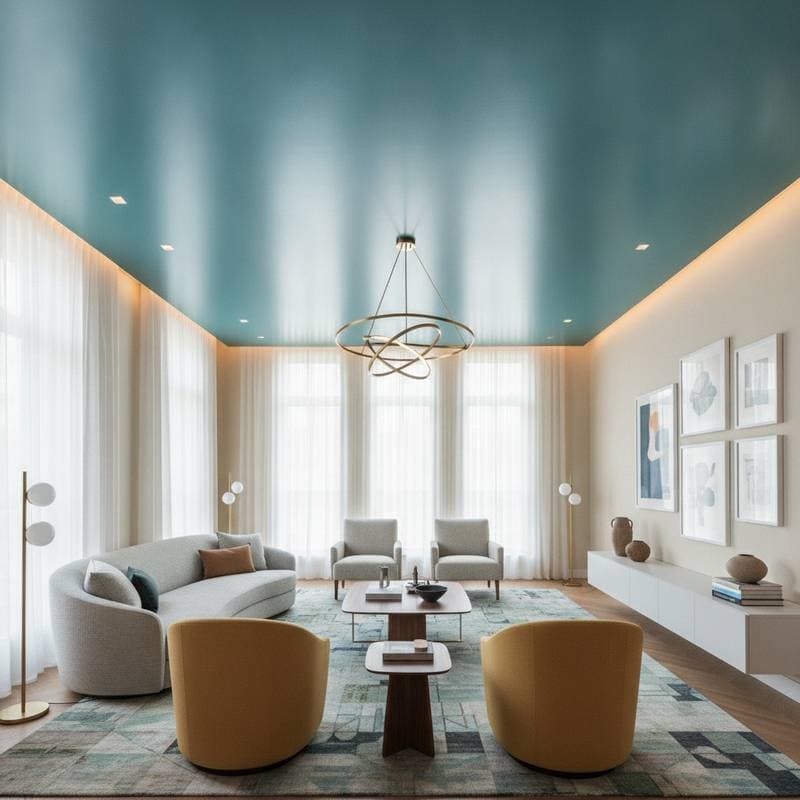
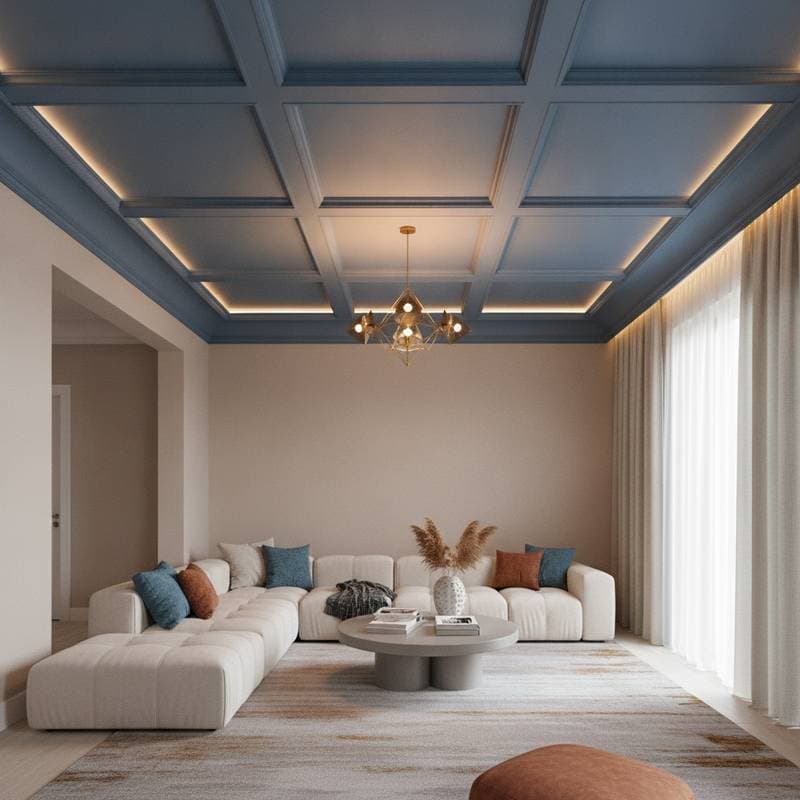
Transform overlooked ceilings into design statements that shape mood and proportion. Guidance covers color strategy, surface preparation, coordination with existing finishes, and room specific applications for polished results.
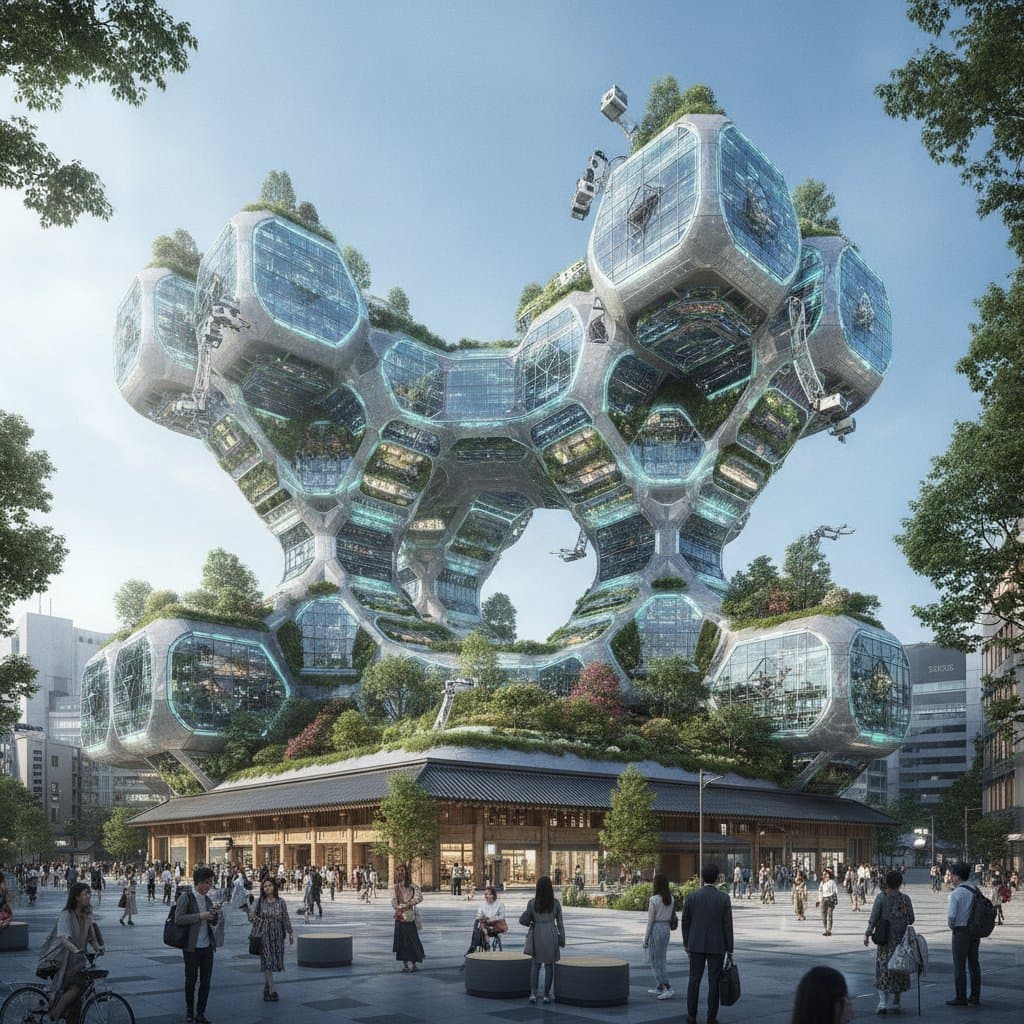
Fragmented deconstructivist architecture redefines residential projects with angular geometry and material contrast. The approach rewards careful planning while delivering distinctive living environments.
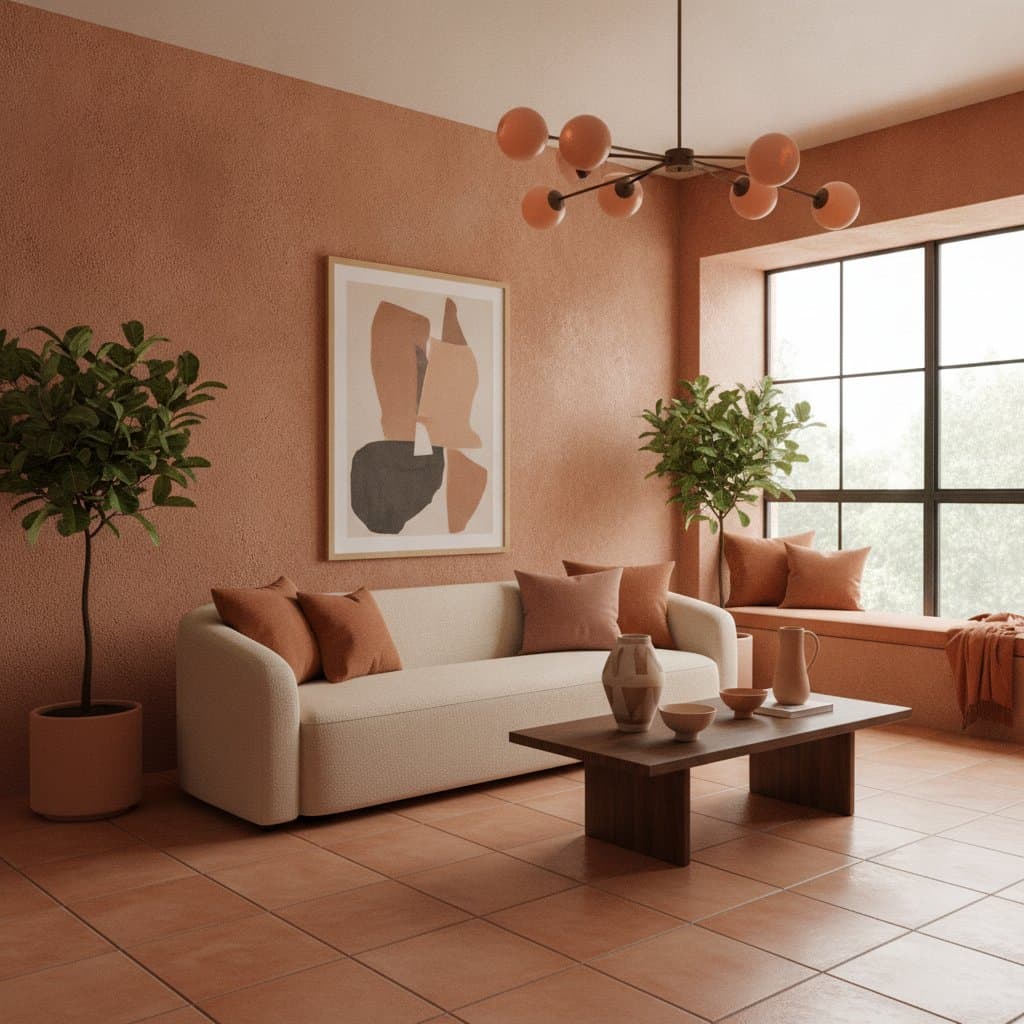
Transform cold rooms with terracotta and rust tones. This guide covers earthy maximalism through specific color applications, texture layering, and functional room updates that create inviting spaces.
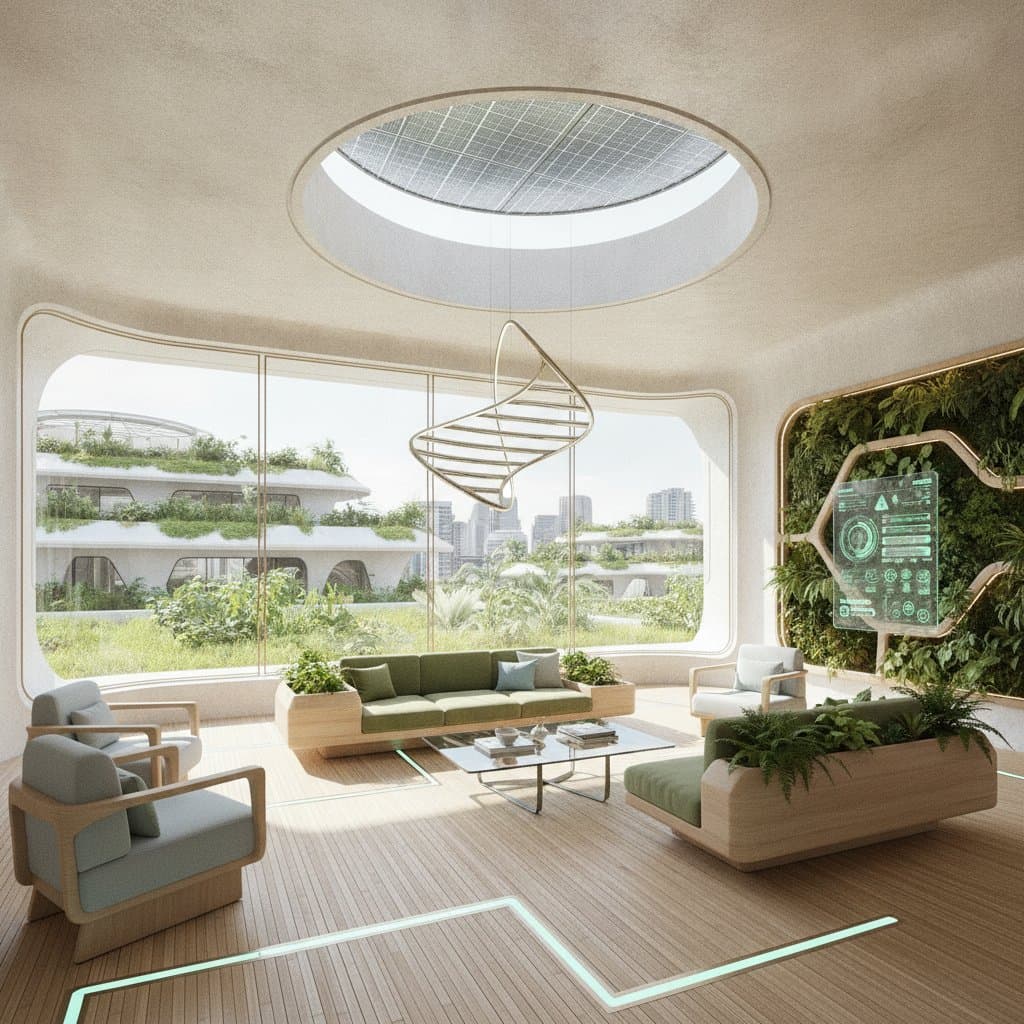
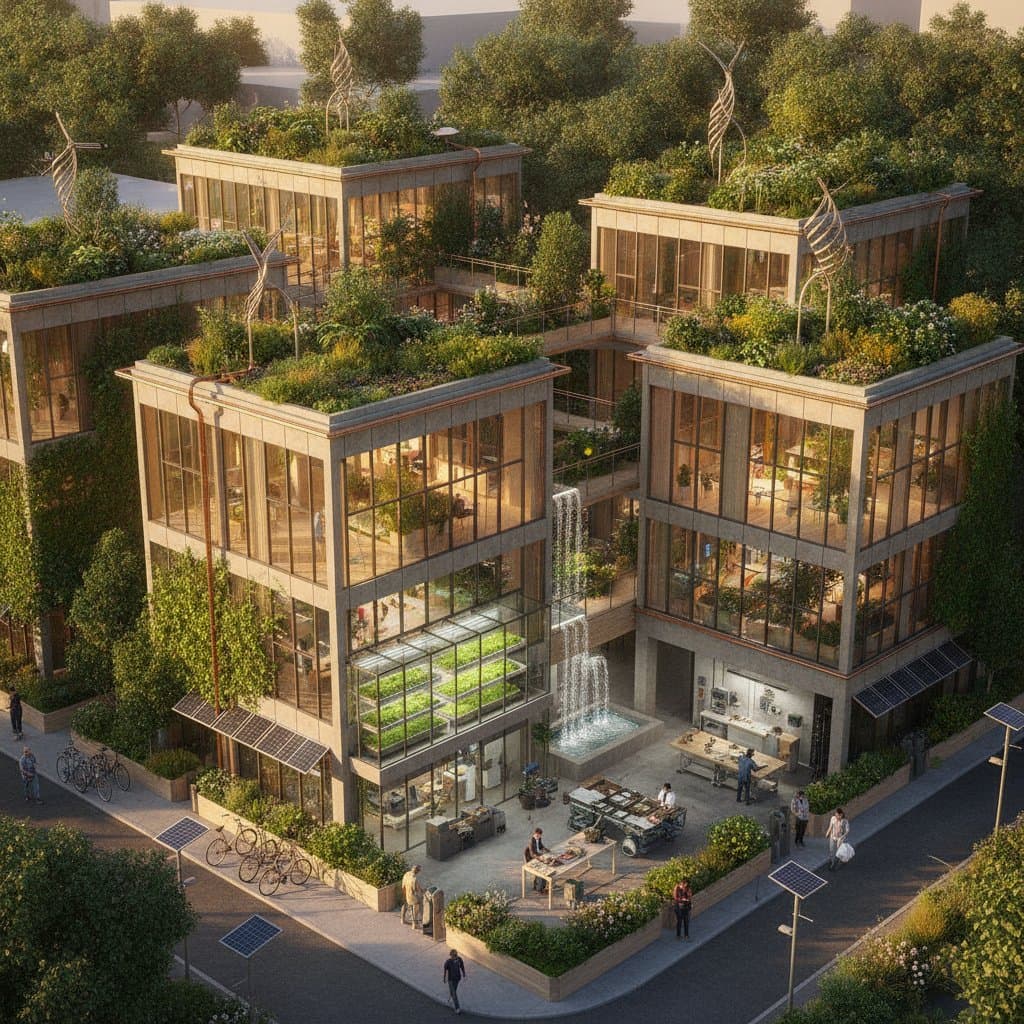
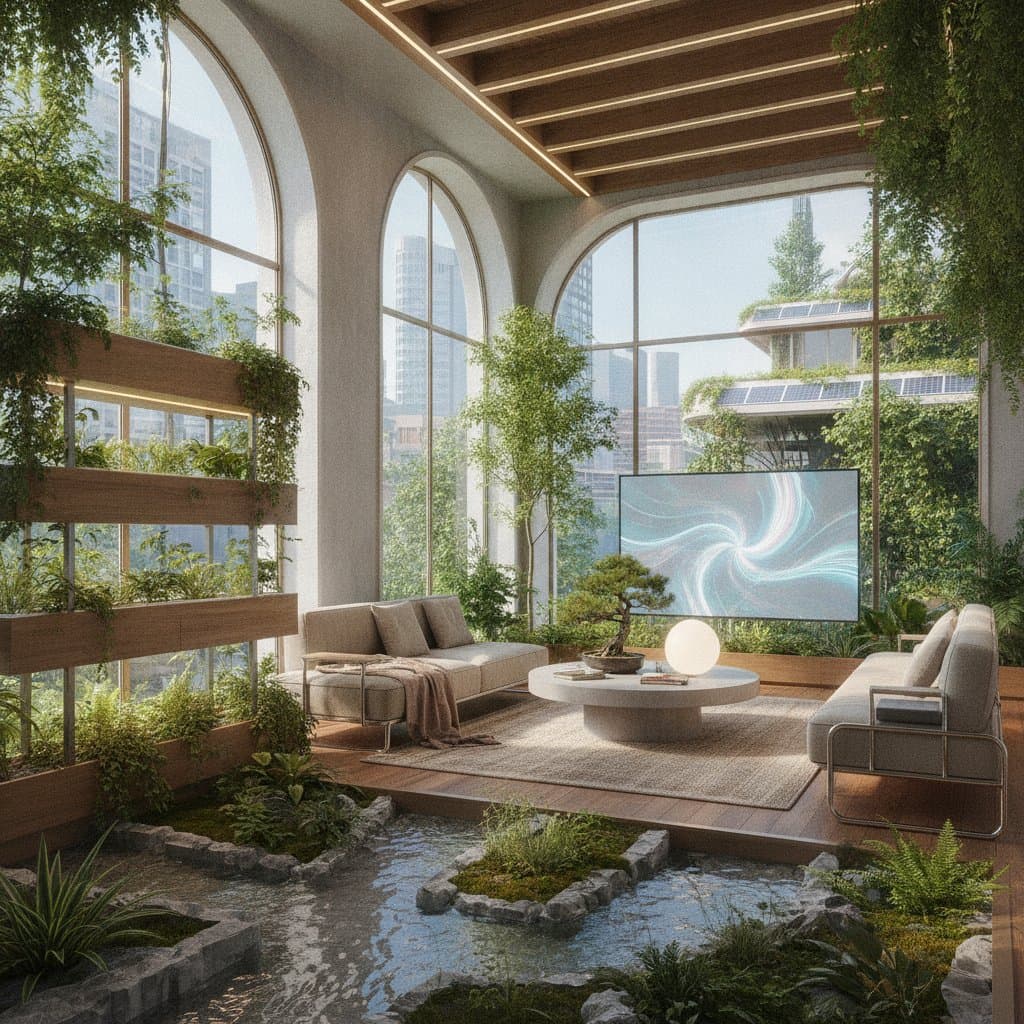
Solarpunk architecture transforms sustainable living through integrated solar technology, natural materials, and community spaces. In 2026 this approach delivers practical green buildings that lower expenses while supporting environmental harmony.
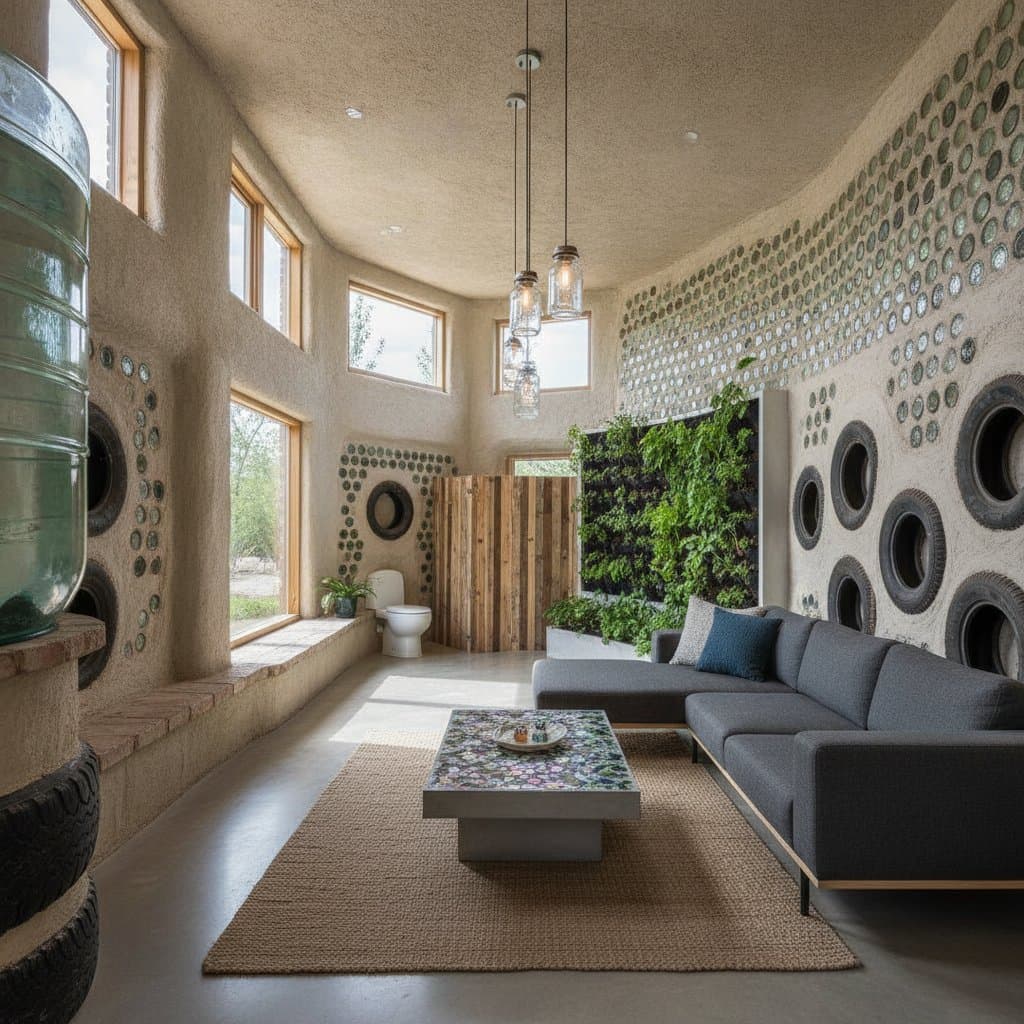
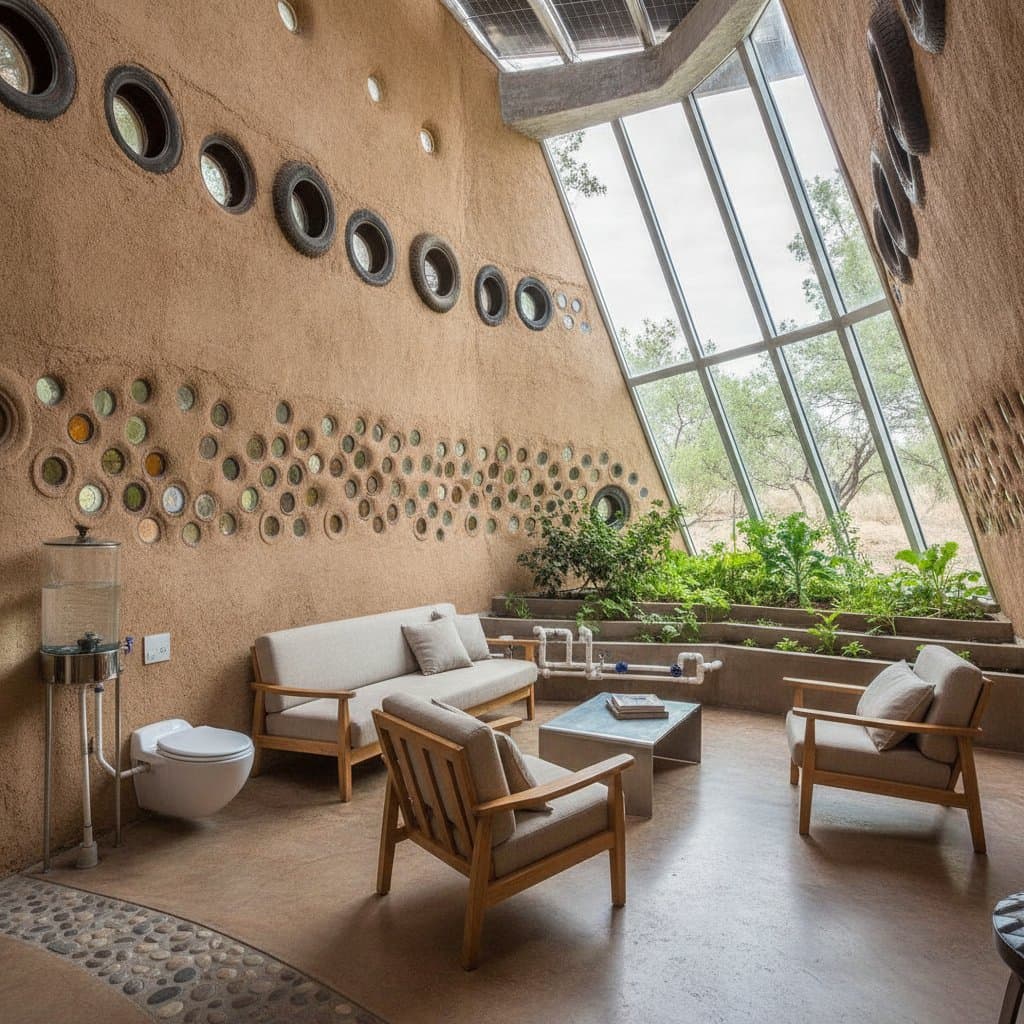
Earthship homes redefine sustainable living by blending recycled materials, smart design, and off-grid independence. Built from earth-filled tires and powered by solar energy, they harvest water, regulate temperature naturally, and nurture indoor gardens.
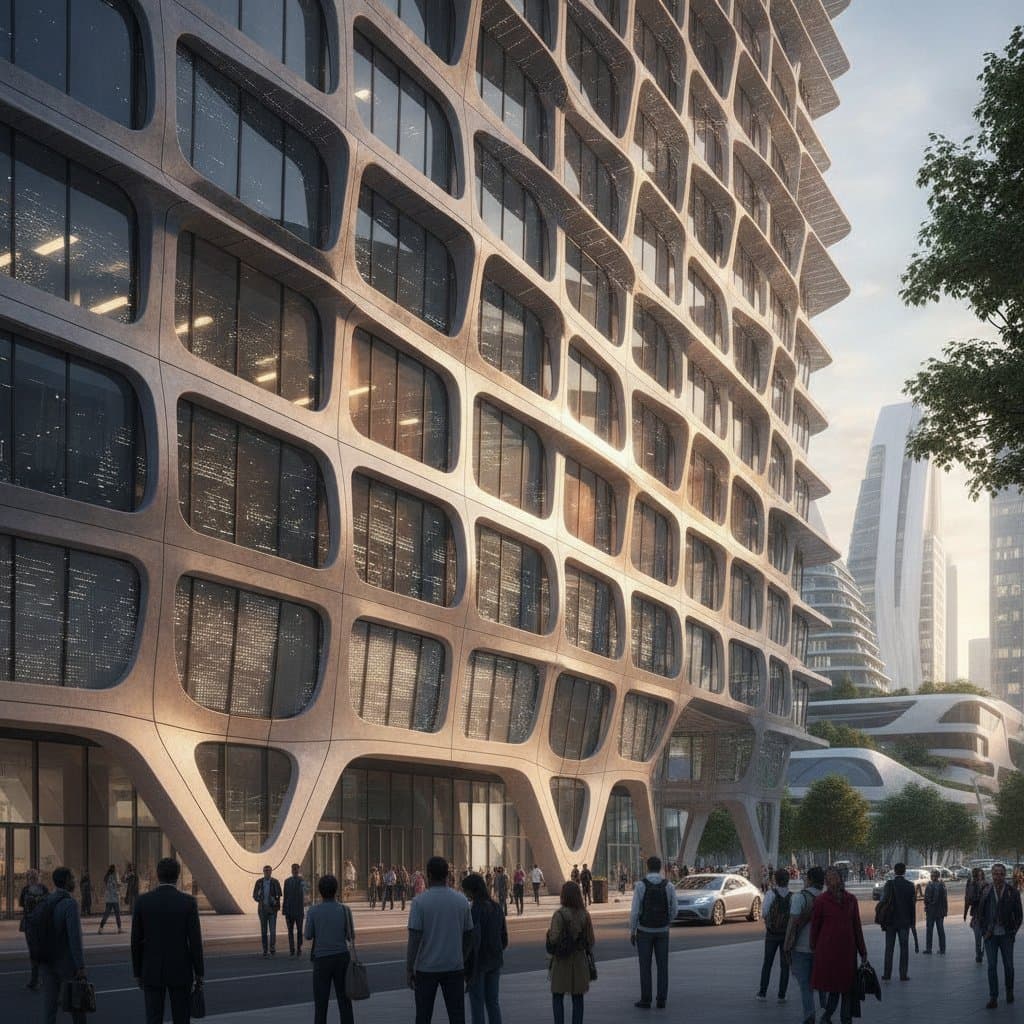
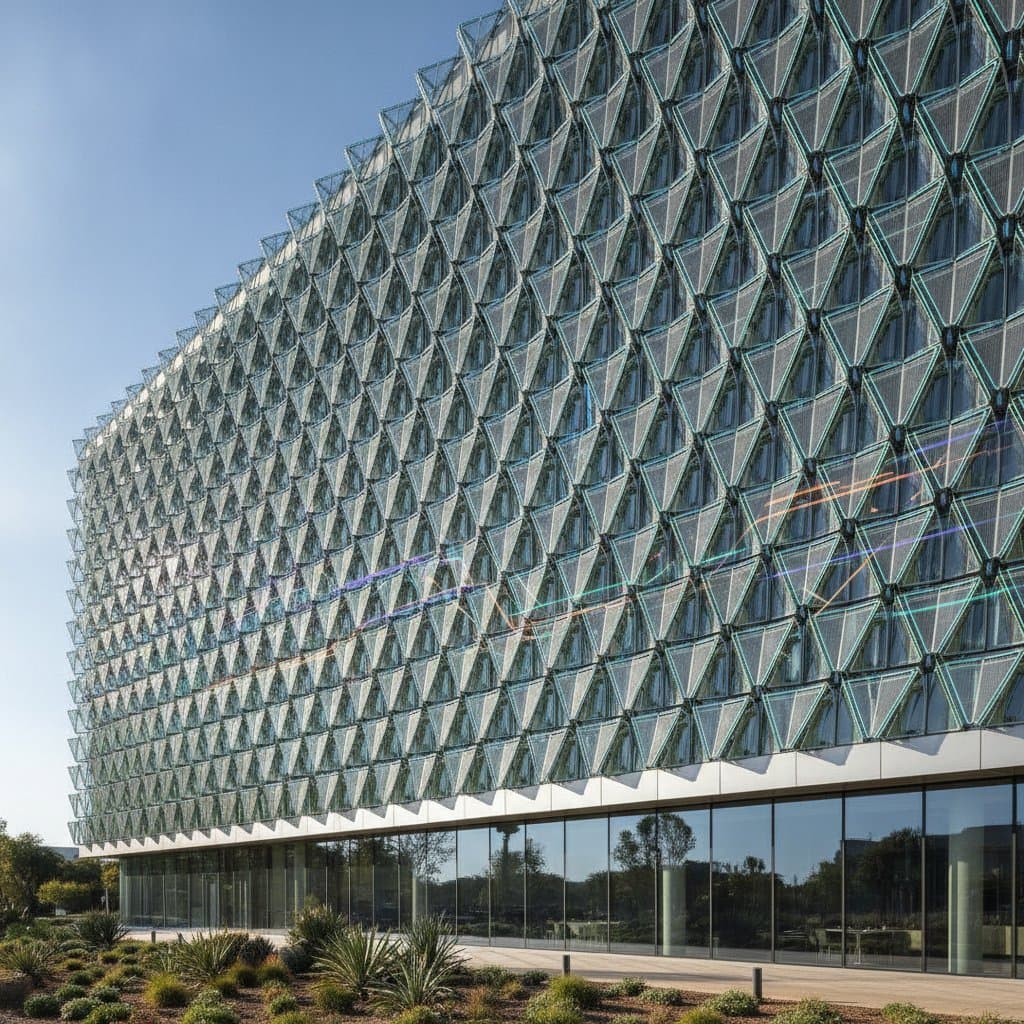
Algorithmic facades are redefining architecture by merging digital precision with environmental responsiveness. Through data-driven design, buildings adapt to light, climate, and cost, enhancing efficiency and aesthetics. From energy savings to material optimization, this computational approach transforms facades into intelligent systems that think, perform, and evolve—reshaping how architecture meets modern demands.
Terracotta anchors earthy maximalism by blending natural color, texture, and craftsmanship. Explore specific ways to layer terracotta through walls, floors, pottery, and kitchen details for grounded, personal spaces.
Terracotta tones soften modern minimalism by adding natural warmth and texture. This approach keeps spaces open while introducing comfort through earthy hues, tactile materials, and considered lighting.
Rammed earth walls move from off-grid Earthships into suburban homes, offering durability, energy efficiency, and distinctive natural texture.
Parametric design merges algorithms with architectural goals to produce homes that adjust to light conditions, climate factors, and daily routines while maintaining visual appeal and resource efficiency.