
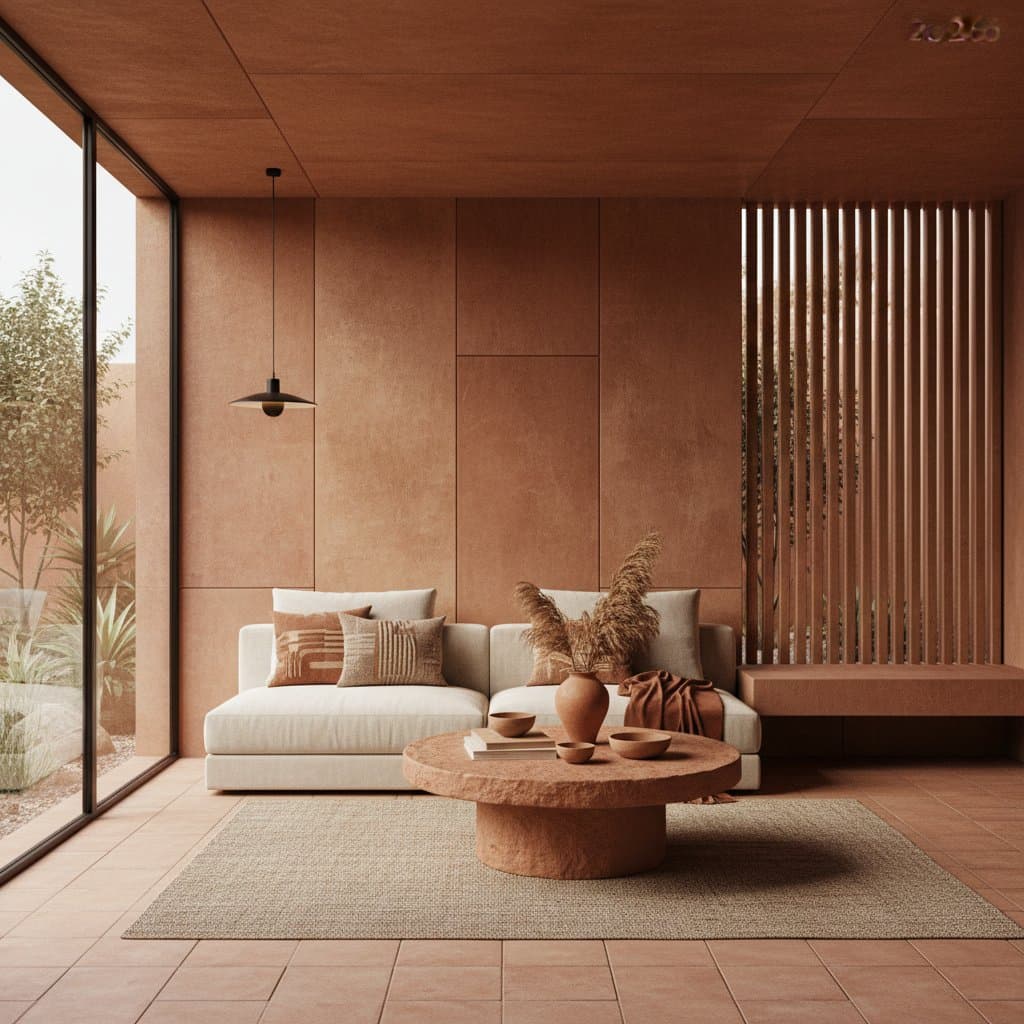
Terracotta's Resurgence in Earthy Contemporary Design
Contemporary homes, cafes, and public spaces increasingly incorporate warmer, natural palettes. Clay tiles, baked-earth planters, and reddish wall treatments appear frequently, evoking a sense of timeless stability. This shift represents terracotta's robust return to design landscapes. The trend extends beyond mere sentimentality; it responds to prolonged dominance of cool grays and polished surfaces. Terracotta introduces warmth, dimension, and an authentic human element that refreshes and grounds environments.
Embracing Warmth and Texture Once More
Modern aesthetics long prioritized sleek concrete, glass, and metal for their pristine appearance. Such choices often resulted in impersonal chill. Terracotta counters this effectively with its vibrant hues and textured surface, which immediately temper a room's severity. The material fosters a connection to the natural world via its soil-derived origins and organic sensation. Applications span floors, walls, and accents, imparting substantial depth with subtle integration.
Terracotta serves as an effective connector between rustic authenticity and streamlined minimalism. It harmonizes seamlessly with wood, stone, or even refined metals. This adaptability explains its renewed popularity among architects and residents alike.
Aligning Terracotta with Current Design Preferences
Individuals desire residences that reflect personal narratives and organic essence. Terracotta fulfills this aspiration precisely. Derived from plentiful clay, the material proves recyclable and genuine, surpassing the artifice of engineered alternatives. It integrates effortlessly into contemporary, agrarian, or coastal motifs due to its inherent versatility.
Several key attributes underscore terracotta's contemporary relevance:
-
Diverse natural palette: Tones range from gentle rose to intense burnt sienna, infusing warmth without ostentation.
-
Ecological advantages: As a renewable resource, clay endures for generations with appropriate sealing and care.
-
Sensory engagement: The finish conveys vitality, distinct from industrialized uniformity.
-
Effortless upkeep: Sealed surfaces repel stains and require only mild soap for cleansing.
Applications for Terracotta in Various Settings
Terracotta suits both interior and exterior contexts, from subtle enhancements to expansive installations. For renovation projects, consider these targeted implementations:
-
Flooring solutions: Terracotta tiles impart distinctive personality to kitchens, solariums, or terraces. Quality options range from five to ten dollars per square foot, excluding labor.
-
Wall features: Apply terracotta panels or thin bricks to a single surface for a compelling, heated centerpiece.
-
Decorative elements: Incorporate clay vessels or urns to anchor a room's ambiance.
-
Roofing options: Classic terracotta shingles withstand time and develop appealing patina.
-
Fireplace surrounds: Terracotta framing enhances the fireside with artisanal, elemental allure.
Evaluating Advantages and Drawbacks
A balanced assessment aids informed decisions prior to adoption.
Advantages:
-
Exceptional longevity and strength with proper sealing
-
Inherent cooling properties in temperate zones
-
Intrinsic coloration and vibrancy, eliminating paint needs
-
Enduring style that resists obsolescence
Drawbacks:
-
Potential for moisture retention without adequate sealing
-
Mild porosity that invites staining absent protective measures
-
Greater weight compared to porcelain or synthetic counterparts
-
Elevated installation expenses for extensive areas
With diligent maintenance, terracotta emerges as a worthwhile, appreciating asset.
Integrating Terracotta into Contemporary Layouts
Full-scale incorporation proves unnecessary to reap terracotta's rewards. Contemporary approaches favor judicious application. The following strategies ensure harmonious inclusion:
-
Focal accents: Employ terracotta for kitchen splash guards or perimeter floor edging instead of comprehensive coverage.
-
Material blending: Pair with neutral stucco or subdued gray coatings to heighten juxtaposition.
-
Texture layering: Introduce fabric drapes, timber pieces, or interlaced floor coverings to amplify the earthen motif.
-
Subdued finishes: Opt for matte variants over lustrous ones for enhanced authenticity and durability.
-
Exterior integrations: Position terracotta containers or paving adjacent to foliage and rock features for outdoor cohesion.
Essential Installation and Maintenance Insights
Terracotta deployment demands thoughtful preparation. Tiles exceed ceramic thickness, necessitating subfloor adjustments for evenness. Exterior placements require freeze-thaw resilient varieties to accommodate environmental fluctuations. Interior applications hinge on thorough sealing to safeguard against liquids and simplify routine care with basic detergents.
Expenses vary by craftsmanship and surface treatment. Artisanal pieces command premiums for their unique variations, absent in automated productions. Budget-conscious selections include porcelain imitations that replicate aesthetics with reduced demands. Large-scale endeavors, such as elevations or canopies, may necessitate regulatory approvals and expert fitting. Given the material's density, verify foundational adequacy.
Terracotta's Enduring Appeal in Evolving Design
Professionals increasingly champion forthright, eco-conscious substances. Terracotta embodies this ethos impeccably. It evokes serene, unadorned realms that temper architectural austerity. The material's innate pigmentation mellows rigid forms, rendering interiors vibrant and inhabited. Furthermore, its reliance on regional clays bolsters heritage skills and environmental synergy.
Psychological benefits contribute significantly. Earth-toned warmth cultivates solace and approachability. Spaces transition from clinical detachment to nurturing havens. Amid desires for personalized, rejuvenating sanctuaries, terracotta's inviting presence aligns ideally.
Steps to Incorporate Terracotta Effectively
Commence with modest trials to gauge suitability. Substitute existing containers, install a splash area, or tile a vestibule. Observe tonal interactions under ambient lighting. Gradually extend to broader flooring or al fresco zones as confidence builds.
Consult regional vendors versed in climate-specific selections. Inquire about protective coatings and care protocols at purchase. For sleek interpretations, ally terracotta with precise geometries, pale barriers, and unembellished fixtures. Rustic inclinations benefit from wooden supports or roughcast adjuncts.
Terracotta transcends fleeting fashions. It cultivates enduring, elemental, and resonant havens.