
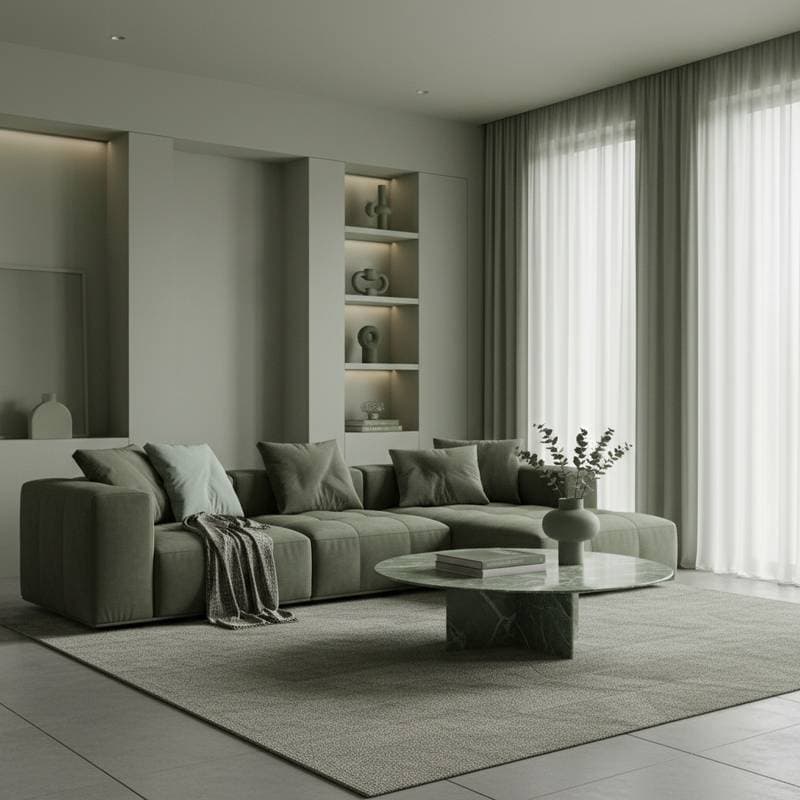
Introduction to Single-Color Design
Single-color design, often called monochrome, uses variations within one color family to craft harmonious interiors. This approach reduces visual clutter and promotes tranquility, making it ideal for creating calmer spaces. In an era of fast-paced living, such designs offer a sanctuary that soothes the mind and enhances daily comfort.
Designers note that monochrome schemes draw from nature's subtlety, where subtle shifts in tone mimic serene landscapes. Homeowners report feeling more relaxed in these environments, as the lack of competing colors allows focus on essential elements. Whether applied to a single room or an entire home, this method transforms ordinary spaces into refined retreats.
Selecting the Right Palette
Choosing a single-color palette forms the foundation of a successful monochrome design. Consider the mood you wish to evoke and the natural light available in the space. Warmer hues suit cozy, intimate areas, while cooler tones work well in brighter rooms.
Here are key options to explore:
- Warm neutrals such as beige, taupe, or sand introduce a cozy, natural feel. These shades evoke earth tones and pair effectively with wooden accents for grounded warmth.
- Cool tones like blue, gray, or sage generate a modern, relaxed atmosphere. They reflect light softly, ideal for offices or reading nooks where calm concentration matters.
- Dark palettes including charcoal or deep green provide dramatic, grounding effects. Such choices add depth to larger rooms, creating intimate yet bold statements.
- Light tones such as off-white or soft gray maintain brightness and openness. These options expand smaller spaces visually, fostering an airy, welcoming vibe.
To decide, examine your wardrobe or cherished photographs. The colors that draw you daily often align with those that harmonize in your home. Test samples on walls under different lighting to confirm the fit.
Building Depth Through Texture and Tone
Variation prevents monochrome designs from appearing monotonous. Texture and tone serve as primary tools to introduce interest without introducing new colors.
Incorporate diverse materials and finishes to layer the space. For instance:
- Pair matte walls with glossy tiles for subtle sheen contrasts.
- Position soft fabrics like linen or velvet alongside sleek metal or glass for tactile variety.
- Integrate wood, stone, or woven baskets to infuse organic warmth and visual contrast.
Shifts in shade within the same family add richness. A soft gray sofa next to a darker charcoal rug creates balance and guides the eye fluidly across the room. This technique ensures the design feels dynamic yet unified, avoiding any sense of flatness.
Experiment with scale as well. Larger elements in lighter tones balance smaller, darker accents, maintaining equilibrium. Over time, these layers evolve, allowing the space to adapt to personal tastes.
Implementing Monochrome Step by Step
Transition to monochrome without overwhelming changes by following a structured approach. Begin modestly to build confidence and observe results.
- Choose one room. Select bedrooms, living areas, or bathrooms, as these benefit most from serene updates.
- Determine the base color. Opt for a shade already present or one that matches your desired ambiance.
- Apply wall color. Painting provides an immediate shift and unifies the foundation.
- Incorporate furniture and decor. Select pieces in the same color range but varying materials for depth.
- Refine lighting. Use warm bulbs to mellow darker schemes; cooler options enhance lighter palettes.
- Add accessories thoughtfully. Limit to simple artwork, pillows, and plants; selective choices amplify impact in unified spaces.
Complete a modest room over a weekend, factoring in preparation time. Costs range from several hundred to thousands of dollars, depending on replacements needed for paint or furnishings.
Advantages and Drawbacks of Monochrome
Monochrome design offers clear strengths alongside considerations. Understanding both ensures informed decisions.
Advantages:
- Delivers a clean, unified aesthetic that streamlines visual flow.
- Simplifies decoration and upkeep, as coordination requires minimal effort.
- Accommodates diverse furniture styles with versatility.
- Provides timeless flexibility, resisting fleeting trends.
Drawbacks:
- Risks appearing flat without sufficient texture integration.
- Demands precise lighting to avoid dullness.
- Makes light walls more prone to showing wear or stains.
With intentional planning, advantages surpass potential issues. The enduring nature of monochrome often reduces long-term redecoration expenses.
Budget and Time Investment
A monochrome refresh remains accessible financially. Leverage existing furniture to focus spending on targeted updates.
Typical expenses include:
- Paint: Forty to eighty dollars per gallon, based on quality and coverage.
- Lighting modifications: One hundred to three hundred dollars for fixtures or bulbs.
- Decor refreshes: Two hundred to six hundred dollars for rugs, curtains, or accents.
Professional assistance for painting or design adds labor fees but ensures precision in shade matching and complex areas. Self-directed projects prove feasible with careful preparation.
Allocate a few days per room for hands-on work. Tasks like finish changes or furniture rearrangement extend timelines, yet the process rewards patience with lasting results.
Monochrome in Contemporary Lifestyles
Monochrome resonates with modern demands for simplicity amid hectic routines and compact living. It cultivates environments that recharge rather than overwhelm.
This style aligns with sustainability goals. Timeless palettes and robust materials minimize frequent overhauls, supporting eco-conscious choices. Homeowners appreciate how such designs endure seasonal shifts without major interventions.
In urban settings, monochrome maximizes limited square footage by creating illusions of expanse. It also facilitates multifunctional rooms, where calm aesthetics support work, rest, and gatherings seamlessly.
Achieving Lasting Serenity
Monochrome design emphasizes harmony over excess, allowing personal elements to shine within a cohesive framework. Initiate with a single space, refine your palette through testing, and expand gradually.
From a gentle beige haven to a striking charcoal gathering area, consistency unlocks the full potential. Observe how these serene, polished interiors elevate comfort upon entry. This approach demonstrates that thoughtful simplicity delivers profound, enduring satisfaction.