
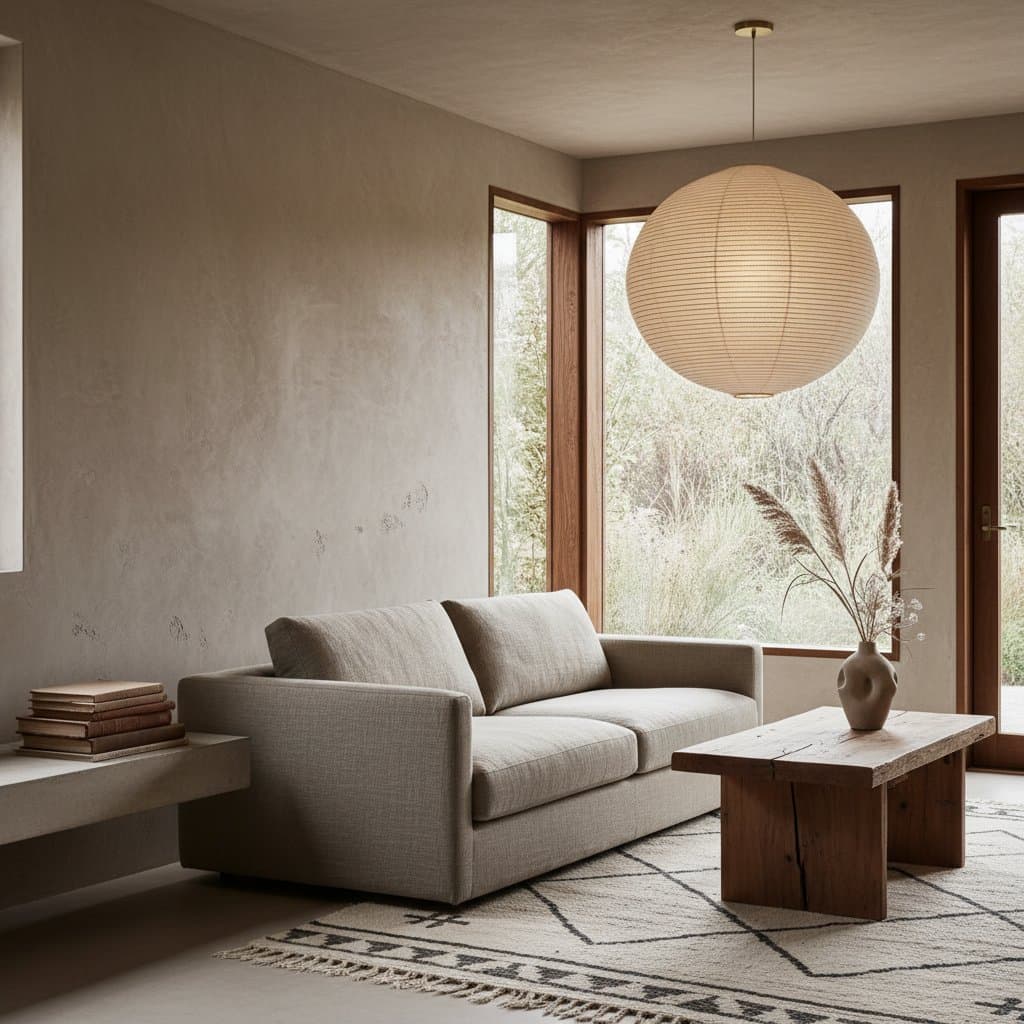
Why Wabi-Sabi's Imperfect Aesthetic Rules 2026 Homes
Homes increasingly shift from sleek perfection toward softer, more natural expressions. Consider a hand-thrown vase with a subtle asymmetry or a wall featuring faint paint variations. This quiet, lived-in beauty embodies Wabi-Sabi, a Japanese philosophy that influences decoration, renovation, and daily living in profound ways.
Those weary of maintaining flawless spaces find relief in Wabi-Sabi. The approach honors authentic life over staged ideals. It emphasizes comfort, honesty, and effortless grace.
Understanding Wabi-Sabi in Home Design
Wabi-Sabi originates from Japanese principles that prize simplicity, imperfection, and the transient nature of existence. In interior design, these ideals manifest through raw textures, subdued palettes, and materials that evolve with time. View it as a counterpoint to overly refined minimalism.
Rather than concealing flaws, Wabi-Sabi reveals their allure. Scratches on a wooden table narrate experiences. Softened linen curtains invite touch more than crisp synthetics. The philosophy rejects neglect in favor of embracing inevitable change.
This perspective aligns with contemporary desires for serene, individualized, and low-maintenance environments. Homeowners seek durable, high-quality items over frequent replacements. Wabi-Sabi nurtures such intentional living.
Reasons for Embracing Imperfection
Achieving perfection demands significant effort and expense. Coordinated furnishings, intense illumination, and relentless upkeep often render spaces impersonal or tense. Wabi-Sabi provides a more lenient alternative.
Several factors contribute to its rising appeal:
- Reduced stress. Flaws such as marks, indentations, and irregular surfaces integrate into the aesthetic.
- Organic materials. Elements like wood, clay, stone, and linen infuse rooms with subtle warmth and enduring appeal.
- Eco-conscious practices. Emphasis on reuse, repair, and selective acquisition supports broader environmental priorities.
- Serene ambiance. Diffused lighting, gentle hues, and uncluttered areas promote tranquility.
Anyone who has entered a disordered room and sensed discomfort recognizes the value of restraint. Wabi-Sabi delivers serenity without the austerity of strict minimalism.
Incorporating Wabi-Sabi Elements
Transformation requires no complete overhaul. The style leverages existing possessions effectively. Follow these structured steps to infuse authenticity and grounding into any space.
1. Declutter Thoughtfully While Preserving Personality
Decluttering aims to foster openness, not barrenness. Retain objects with sentimental value or historical significance, such as a cherished chipped mug, an inherited chair, or a crafted bowl. These elements define a Wabi-Sabi interior.
Discard items that appear contrived or fleetingly fashionable. The objective centers on breathing room amid meaningful selections.
2. Select Authentic, Natural Materials
Prioritize wood, stone, clay, cotton, and linen, which mature gracefully and gain patina. A pine table develops visible history through use, enhancing its visual and tactile appeal.
Steer clear of glossy plastics or polished surfaces. Opt for matte finishes that convey genuineness. Combine coarse and refined textures to sustain dynamic interest.
3. Adopt Subdued, Nature-Inspired Colors
Draw from earth's palette: gentle grays, earthy browns, softened greens, and off-whites. Such shades establish equilibrium and composure in any room.
Introduce accents sparingly and tonally. A weathered rose pillow or a pale blue blanket contributes subtle vitality without disrupting harmony.
4. Harness Natural Lighting Dynamics
Wabi-Sabi favors diffused, ambient illumination over stark sources. Replace glaring ceiling fixtures with warm-toned floor or table lamps shaded in rice paper. Maximize daylight by minimizing obstructive drapery on windows.
Observe how light shifts across the day, altering the room's character. This fluidity embodies the style's understated elegance.
5. Blend Vintage and Contemporary Pieces
Antiques prove unnecessary; seek items with inherent texture or age. Pair a distressed leather armchair with a sleek contemporary couch for harmonious contrast. Focus on quality selections that resonate personally.
For new acquisitions, support local artisans or boutique makers. Hand-formed ceramics or bespoke woodworking imparts craftsmanship absent in factory goods.
6. Integrate Personal, Narrative Details
Curate displays of story-evoking objects: a sculpted vase, a matte-finish photograph, or bundled dried botanicals. Arrange sparingly to allow each piece prominence.
Such vignettes foster connection without overwhelming the space.
Advantages and Challenges of Wabi-Sabi
Every design philosophy suits specific preferences. Consider these outcomes when adopting the aesthetic.
Advantages
- Fosters serene, rooted environments
- Promotes deliberate purchasing habits
- Simplifies upkeep, as imperfections enhance appeal
- Complements diverse existing inventories
Challenges
- Risks appearing incomplete without careful equilibrium
- May seem subdued for bold color enthusiasts
- Initial costs for artisanal or natural elements can elevate
- Less suitable for those favoring ultra-modern polish
For individuals drawn to tranquil, inhabited atmospheres, the strengths prevail.
Planning Budget and Timeline
Wabi-Sabi adaptations accommodate varied financial levels. Scale depends on desired scope.
- Minimal refresh: Reorganize layouts, eliminate excess, and incorporate organic fabrics. Complete in a weekend for under one hundred dollars.
- Moderate enhancement: Swap synthetics for wooden or linen alternatives, apply neutral wall coatings, and acquire select crafts. Budget several hundred dollars.
- Comprehensive overhaul: Restore flooring, upgrade fixtures, and procure custom furnishings. Costs span thousands, varying by materials and extent.
Small adjustments require mere hours. Extensive projects, such as wood restoration or repainting, demand one to two weeks. The aesthetic evolves organically, allowing gradual implementation.
Scenarios for Professional Assistance
Most changes prove manageable independently, yet certain aspects benefit from expertise.
- Woodworking or restoration: For aged beams or flooring, consult a carpenter to maintain integrity and appropriate patina.
- Electrical modifications: Fixture replacements necessitate a certified electrician for safety.
- Specialized finishes: Natural lime or clay plasters require skilled application for uniformity.
Secure detailed estimates beforehand. Specify eco-friendly, low-emission options to align with the philosophy.
Pitfalls to Sidestep
Simplicity invites missteps if unchecked. Avoid these common errors.
- Mistaking sparseness for void. Infuse warmth via varied textures and cherished possessions.
- Overlooking practicality. Ensure furnishings support routine activities comfortably.
- Excessive coarseness. Counterbalance rugged elements with smoother counterparts to prevent heaviness.
- Neglecting care. Graceful aging demands regular cleaning and preservation, not abandonment.
Proper execution yields an intuitive, nurtured haven.
Aligning Wabi-Sabi with Contemporary Lifestyles
The philosophy resonates with current home-centric routines, prioritizing ease and genuineness over novelty. Increased indoor time underscores comfort's importance, alongside commitments to sustainability.
Wabi-Sabi fulfills these by advocating measured acquisition of superior items. It discourages trend-chasing in favor of intuitive choices.
Integration extends to hybrid styles. It shares simplicity with Scandinavian functionalism, tempers rustic or bohemian vigor through palettes, and softens modern edges with tactile nuances.
Practical Daily Applications
Wabi-Sabi thrives in unpretentious settings. Implement these accessible habits.
-
Permit natural patina on wood or metal; forgo excessive polishing of minor blemishes.
-
Employ artisanal dishware in routine meals, not reserved for occasions.
-
Maintain open shelving for favored objects.
-
Select linens or cottons that crease naturally post-laundering.
-
Incorporate foliage, imperfections included; faded edges affirm vitality.
These practices cultivate understated truthfulness.
Sustaining the Aesthetic Long-Term
Minimal intervention suffices, yet intentional maintenance preserves essence. Dust lightly, address stains promptly, and condition wood annually. Repair damages where feasible.
Embrace visible mends, inspired by kintsugi, the art of golden pottery repairs. This transforms breakage into enhancement. Apply similarly to upholstery patches or surface renewals, revitalizing items.
Over years, the space chronicles personal narrative, deepening authenticity.
Experiencing the Deeper Impact
Adopting Wabi-Sabi extends beyond visuals to emotional shifts. Environments grow more restful. Upkeep simplifies. Concerns over minor damages fade.
This evolution unfolds gradually, reshaping perceptions toward genuine beauty. For those seeking solace, individuality, and endurance, Wabi-Sabi offers a timeless foundation. Begin modestly, adapt affordably, and witness organic refinement.