
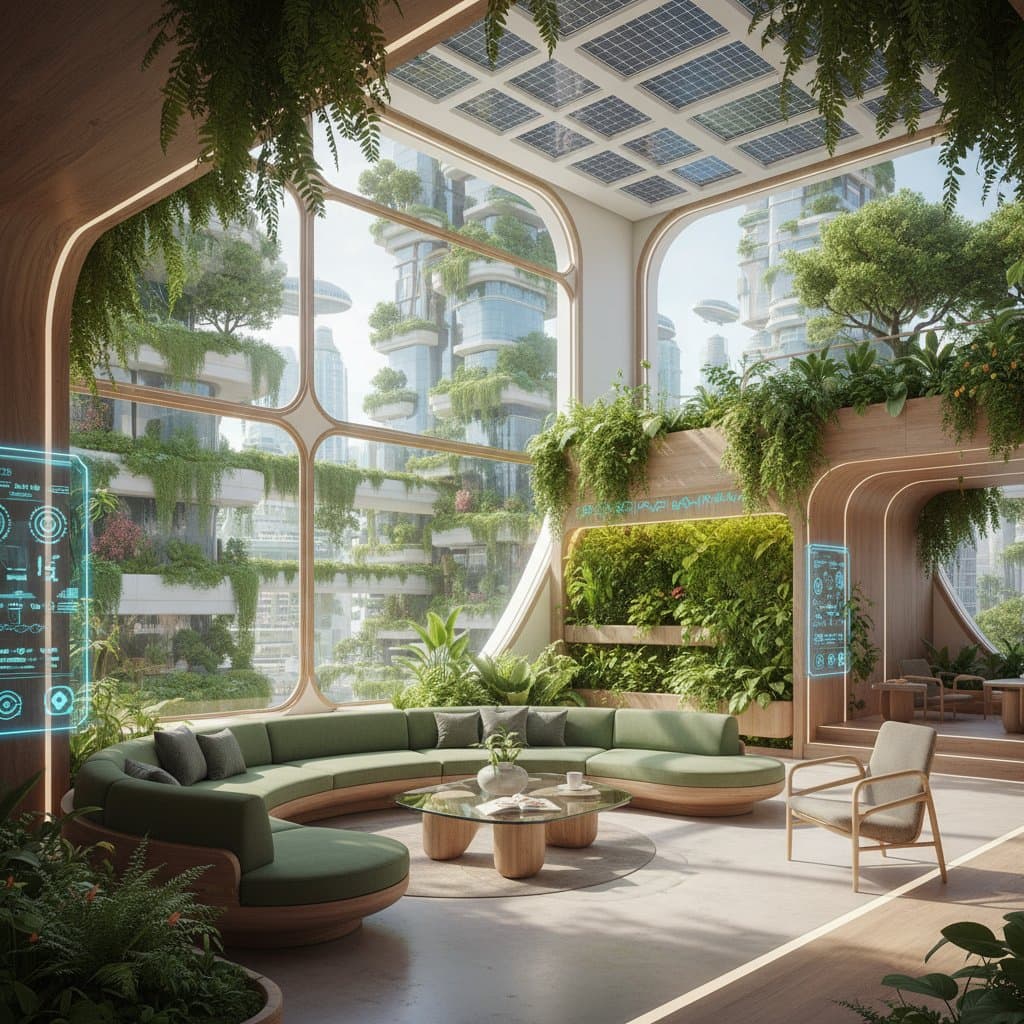
Solarpunk's Vision: Designing Sustainable Urban Worlds
Consider the concrete expanses of modern cities and imagine them transformed with solar arrays, vertical gardens, and pedestrian-friendly pathways. Such visions form the core of solarpunk, a design movement that integrates technology with natural ecosystems to create resilient, equitable communities. This approach addresses pressing challenges like climate change and resource scarcity by prioritizing harmony between human innovation and the environment.
Solarpunk appeals to a broad audience because it emphasizes actionable change over abstract ideals. Rising concerns about energy dependence and urban isolation have sparked interest in designs that promote self-sufficiency and well-being. By focusing on local solutions, solarpunk empowers individuals and groups to shape environments that support both planetary health and daily life.
Defining Solarpunk as a Design Philosophy
Solarpunk transcends mere aesthetics; it represents a comprehensive philosophy centered on renewable resources, localized production, and collaborative governance. Picture urban blocks energized by photovoltaic arrays, moderated by vegetative roofs that mitigate heat, and enriched by community orchards yielding fresh produce. Pathways prioritize non-motorized transport, while structures incorporate upcycled elements and intelligent controls to minimize resource consumption.
The 'punk' element signifies a deliberate challenge to extractive industrial practices. It promotes grassroots innovation, urging participants to develop viable alternatives through everyday actions. Rather than relying solely on institutional reforms, solarpunk advocates for initiatives like communal composting or neighborhood energy shares, cultivating a sense of shared accountability.
Distinguishing Solarpunk from Conventional Design
Conventional urban planning frequently isolates inhabitants from ecological processes through impermeable surfaces and energy-intensive constructions. Solarpunk counters this by embedding natural elements into the built landscape, treating sunlight, breezes, and precipitation as integral design allies. This integration yields spaces that enhance biodiversity and human comfort simultaneously.
Key differentiators include:
- Renewable energy autonomy. Photovoltaic installations, micro-wind generators, and passive solar strategies substantially lower operational costs.
- Biophilic integrations. Vertical greenery, elevated plantings, and organic textures promote tranquility and psychological restoration.
- Collaborative structures. Communal plots, skill-sharing hubs, and multi-family dwellings optimize resource use and social bonds.
- Regenerative cycles. Systems for material recovery and fluid recycling ensure that outputs become inputs, extending product lifespans.
Incorporating Solarpunk Principles into Personal Spaces
Adopting solarpunk does not require comprehensive overhauls; incremental modifications accumulate meaningful impact. Begin with modest interventions that align with existing routines, gradually expanding to encompass broader efficiencies. These practices cultivate awareness of consumption patterns and environmental interdependencies.
Practical starting points encompass:
- Modular solar integration. A compact photovoltaic unit can energize pathway illumination or charge portable devices; investigate regional incentives for installation support.
- Urban agriculture basics. Cultivate herbs in window containers, establish container gardens for root vegetables, or select dwarf fruit varieties for compact lots.
- Rainwater harvesting setups. Basic cisterns, priced comparably to routine maintenance tasks, irrigate landscapes without increasing municipal usage fees.
- Intentional resource stewardship. Restore functional objects prior to acquisition; participate in local exchanges or marketplaces for preloved goods.
- Indoor ecological enhancements. Select air-purifying foliage such as snake plants or pothos to vitalize interiors; opt for resilient species suited to varied light conditions.
Such measures foster enduring behaviors that redefine interactions with energy, nourishment, and refuse, embodying solarpunk's foundational ethos.
Architecting Solarpunk Residences and Structures
For renovations or constructions, solarpunk guidelines provide a framework that merges visual appeal with operational efficacy and ecological stewardship. The objective centers on environments that amplify rather than deplete natural capital, yielding enduring value. Professional consultations ensure compliance with technical standards while maximizing benefits.
Essential elements to incorporate:
- Site-responsive layouts. Align fenestration and overhangs to harness daylight optimally, preventing thermal excess through strategic shading.
- Sustainable sourcing. Employ salvaged timber, rapidly renewing bamboo, repurposed alloys, and plant-based insulators to curtail ecological demands.
- Integrated power solutions. Pair photovoltaic arrays with storage units to maintain functionality amid grid disruptions.
- Fluid conservation measures. Implement recycled wastewater circuits, efficient plumbing, and collection apparatuses to diminish overall draw.
- Vegetated envelopes. Roof and facade plantings moderate climates, bolster thermal performance, and sustain vital pollinator networks.
Initial expenditures may exceed norms, yet reductions in utility and upkeep expenses often offset them within years. Retrofitting timelines vary from days for superficial additions to quarters for systemic upgrades, with new builds demanding extended coordination. Prioritizing these aspects enhances livability and financial prudence over time.
Fostering Solarpunk Through Community Initiatives
Solarpunk thrives on interpersonal dynamics as much as physical forms; collective endeavors amplify individual efforts toward systemic resilience. Neighborhood collaborations enable scale unattainable in isolation, distributing burdens and rewards equitably. These networks also nurture social cohesion, essential for long-term viability.
Typical communal implementations feature:
- Joint cultivation zones and organic recycling. Residents collaborate on produce plots and decomposition sites to enhance food security and soil vitality.
- Resource-sharing repositories. Centralized tool inventories obviate redundant purchases, serving diverse project needs.
- Skill-building workshops. Gatherings impart competencies in mending appliances, bicycles, and textiles, extending item utility.
- Distributed energy ventures. Cooperatives fund collective solar installations or localized grids benefiting participant households.
Such undertakings fortify interpersonal ties and economic accessibility. Municipal funding opportunities for eco-projects frequently offset investments, broadening participation.
Architectural Innovations in Solarpunk
Professionals embracing solarpunk view it as a paradigm of generative design, aiming to yield net-positive outcomes. Structures not only minimize harm but actively contribute to ecological and social enrichment, such as through atmospheric purification and energy surplus. This perspective reframes development as an opportunity for mutual enhancement.
Signature components include:
- Nature-centric configurations. Facilitate human-nature bonds via abundant illumination, fluid geometries, and integrated flora.
- Repurposed adaptations. Convert disused industrial sites into vibrant residences or civic venues, conserving heritage while averting demolition.
- Responsive technologies. Automated monitors fine-tune illumination and climate controls, optimizing consumption dynamically.
- Infiltrative landscapes. Porous pavements and bioswales facilitate groundwater recharge, alleviating drainage pressures.
Together, these attributes imbue edifices with vitality, adapting to temporal and climatic shifts while accommodating users. This adaptability renders solarpunk designs both enduring and empathetic.
Weighing Benefits and Challenges of Solarpunk Adoption
Transitioning to solarpunk involves trade-offs that merit careful evaluation for informed decision-making.
Advantages
- Diminished service charges via renewables and optimizations.
- Enhanced wellness from purified atmospheres and luminous interiors.
- Bolstered social fabrics through resource pooling.
- Mitigated ecological impacts coupled with fulfillment from conscientious choices.
Challenges
- Elevated upfront outlays for installations and materials.
- Adaptation periods for system oversight.
- Regulatory hurdles like approvals for modifications.
- Variability in regional availability of specialized providers.
Acknowledging these aspects allows tailored strategies that align with personal contexts. Phased implementation often eases entry while building proficiency.
Essential Preparations for Solarpunk Projects
Prior to commencing, address logistical facets to ensure smooth execution.
- Financial mapping. Sustainable options may incur premiums, yet sourcing regionally or secondarily tempers costs.
- Compliance verification. Ascertain requirements for energy, hydrology, or alterations via municipal offices.
- Ongoing stewardship. Select durable flora or mechanized aids if schedules constrain manual involvement.
- Scheduling realism. Quick enhancements like fixture swaps fit brief periods; comprehensive retrofits span extended durations.
- Expert engagement. Secure certified specialists for intricate tasks to uphold safety and efficacy.
Anticipating these elements averts setbacks and sustains momentum.
Extending Solarpunk to Civic Environments
Solarpunk principles extend seamlessly to communal realms like recreational areas, educational facilities, and workplaces. Envision civic hubs shaded by photovoltaic shelters, equipped with secure cycling facilities, and landscaped with absorption basins for runoff management. These enhancements elevate utility while exemplifying progressive stewardship.
Urban authorities increasingly incorporate such motifs to elevate quality of life. Initiatives like arborizing boulevards or greening vacant parcels yield tangible gains. Engagement in planning forums or advocacy groups amplifies influence on local development trajectories.
Realizing Solarpunk's Promise in Everyday Design
Solarpunk's enduring allure stems from its affirmative outlook, affirming that ecological advancement can manifest as aesthetically pleasing and attainable. By aligning constructions with natural rhythms, communities cultivate settings that sustain vitality for generations. This methodology invites ongoing refinement, ensuring urban landscapes evolve in tandem with societal and environmental needs.